EN
EN
 English
 中文简体
中文简体
.png)
You vacuum twice a week, wipe the shelves, and still wake up with a stuffy nose. That is the moment most people ask: what does an air purifier help with?
In one sentence: a correctly sized air purifier reduces the airborne particles and gases that cause allergies, asthma flare-ups, poor sleep, and lingering odors. It does not replace ventilation, and it does not clean dust from surfaces. The benefit is concentrated in the air you breathe, and it is measurable with a particle counter.
Content
How an Air Purifier Removes Indoor Pollution
Every air purifier works on the same principle: a fan pulls room air through a filter stack, traps contaminants, and sends cleaner air back out. The differences between models come down to filter quality, airflow design, and whether a sterilizing stage is included.
A typical multi-layer purifier contains four stages:
- Pre-filter: captures visible lint, pet hair, and coarse dust.
- HEPA layer: traps particles down to 0.3 microns, including pollen, dust mite debris, mold spores, and fine smoke. A genuine H13 filter retains at least 99.95% of particles at the most penetrating size, while H14 HEPA filtration systems reach 99.995% under the EN 1822 standard.
- Activated carbon: adsorbs volatile organic compounds, cooking odors, and tobacco smoke.
- UV-C, plasma, or negative-ion stage: inactivates bacteria and viruses captured on the filter.
Air enters from the side, passes through each layer in sequence, and exits clean from the top.
The practical takeaway: HEPA does the heavy lifting for particles, carbon handles chemistry, and the sterilizing stage matters mainly for clinics and households with vulnerable members.
What an Air Purifier Helps With Most
According to the U.S. EPA and AHAM test standards, the strongest evidence for portable air cleaners is the reduction of fine particles and allergens. The chart below shows typical filtration efficiency for HEPA H13 units under standardized testing.
Allergies: pollen, dust mites, and pet dander
HEPA filtration captures the airborne fraction of these allergens every time air passes through the filter. Repeated controlled studies cited in EPA guidance report that allergy sufferers see measurable symptom relief when a true HEPA purifier runs in the bedroom for several weeks.
Wildfire, cooking, and tobacco smoke (PM2.5)
Fine particles below 2.5 microns stay suspended for hours and penetrate deep into the lungs. EPA technical summaries of residential testing report typical reductions of indoor PM2.5 between 50% and 80% when a correctly sized purifier is operated continuously.
VOCs, odors, and off-gassing
Formaldehyde from new furniture, benzene, cooking smells, and pet odors are gases. A HEPA layer cannot catch gases; the activated carbon stage adsorbs them. The mass of carbon matters, and thin coated sheets saturate quickly in homes with heavy cooking.
Airborne germs and viruses
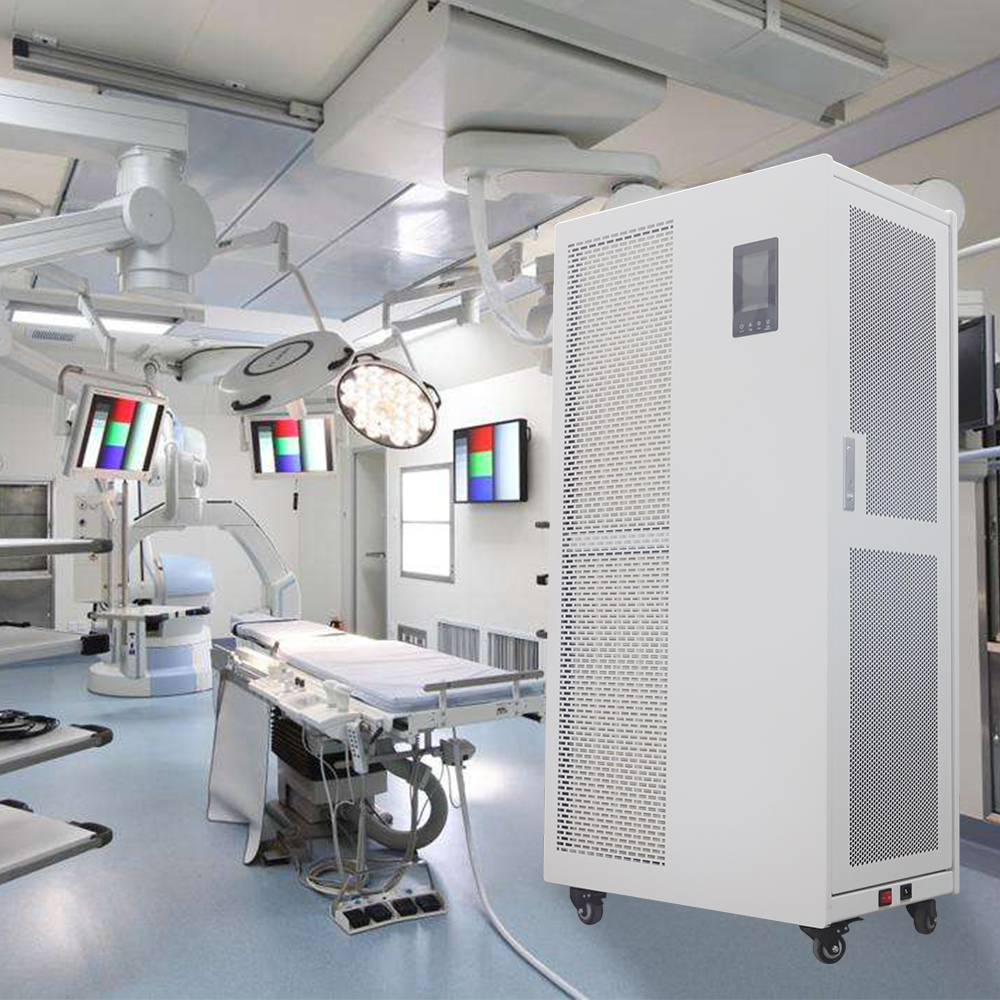
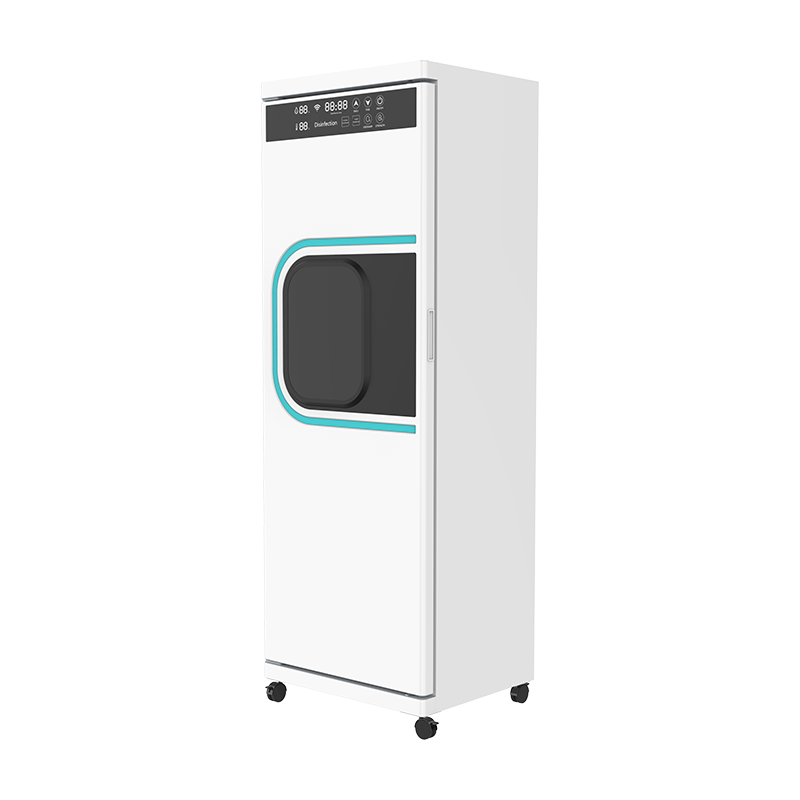
A normal HEPA purifier traps germs but does not kill them. If infection control is the goal, choose a model with UV-C or plasma sanitization. For clinics and family homes with frequent illness, a medical-grade air purifier with 300 CADR combines high airflow with a germicidal stage.
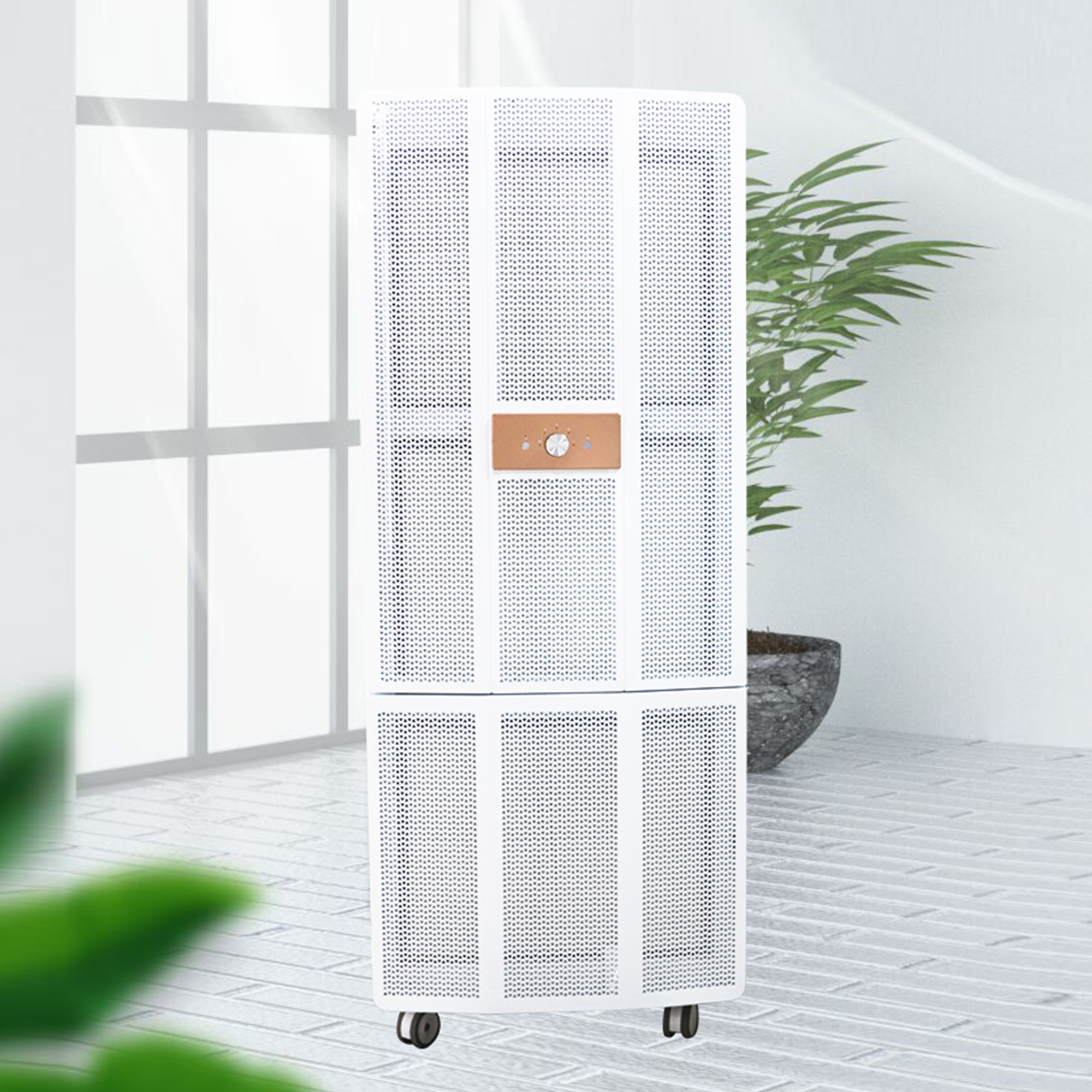
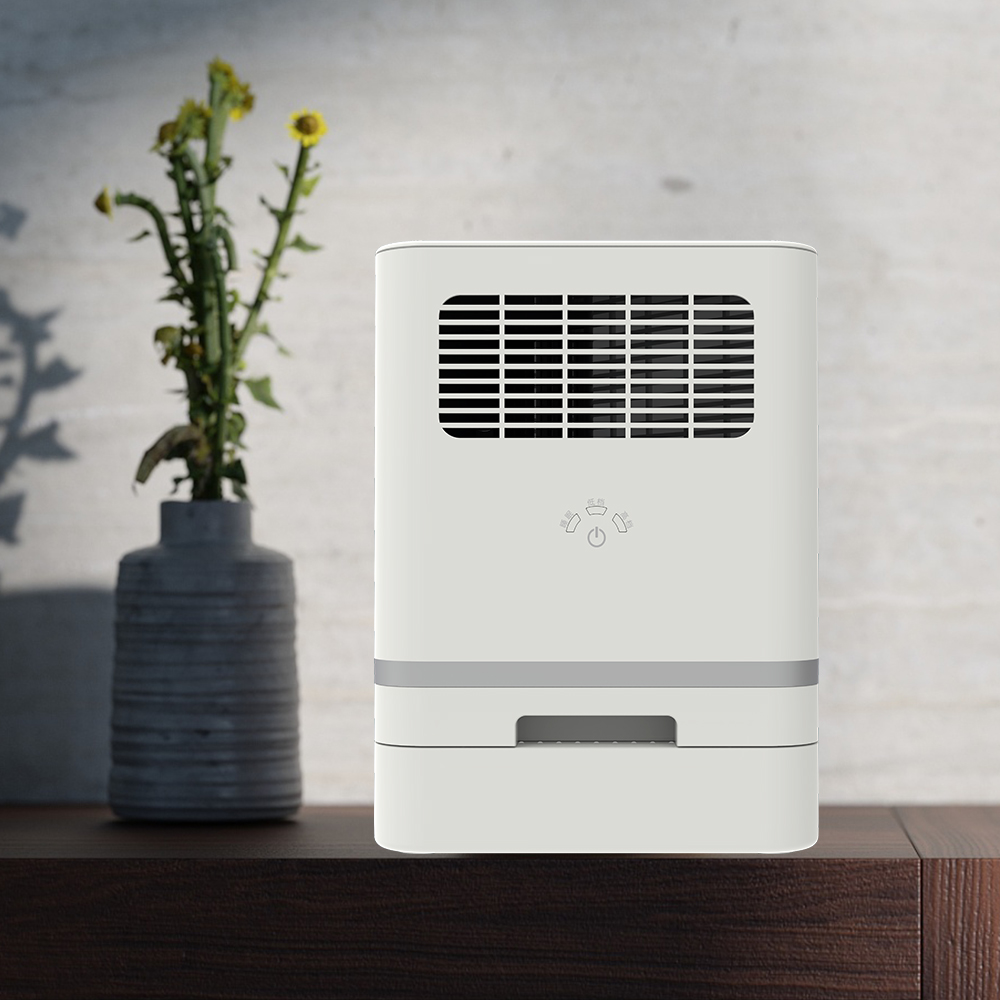
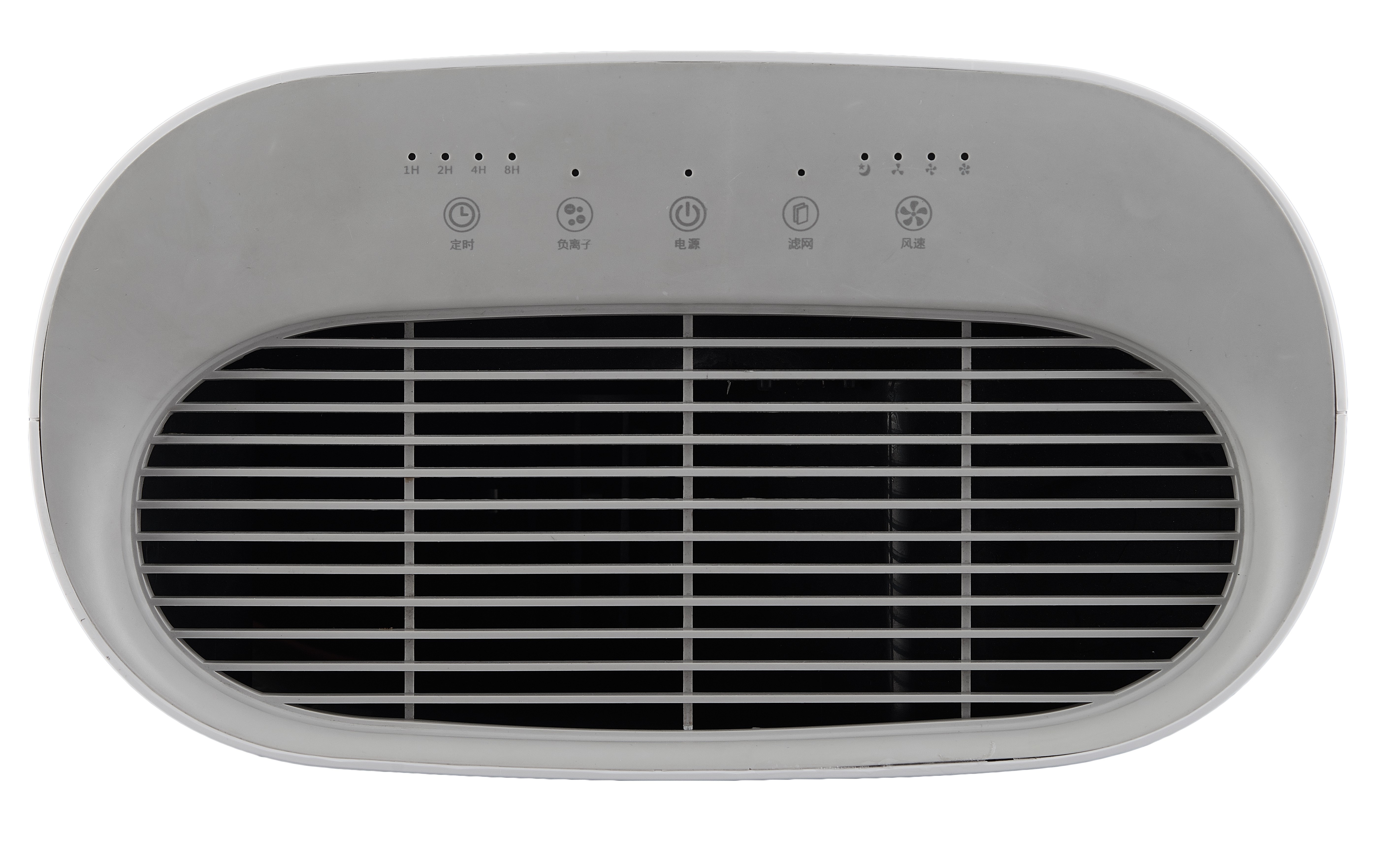 Custom REMOVE FORMALDEHYDE BEST,ENJOY FRESH AIR MOST BKJ-300H Suppliers, OEM ComNingbo Yinyu Purification Technology Co., Ltd is custom REMOVE FORMALDEHYDE BEST,ENJOY FRESH AIR MOST BKJ-300H suppliers and OEM REMOVE F...View Product →
Sleep quality and less dusting
Lower airborne dust means less dust settles on surfaces, and many people sleep better when allergen levels drop at night. A bedroom unit with a silent sleep mode is one of the most practical placements, and dedicated quiet sleep air purifiers are designed to stay below 35 dB.
What an Air Purifier Does Not Do
Expectation setting prevents a wasted purchase. The EPA is explicit that portable air cleaners reduce but do not eliminate indoor air pollution. Keep these limits in mind:
- Does not remove settled dust. It reduces airborne dust, but wiping and vacuuming are still required.
- Does not replace ventilation. Carbon dioxide, humidity, and fresh oxygen come from windows or a mechanical ventilation system. An air purifier recirculates the same room air.
- Does not fix mold at the source. If a wall or ceiling has active mold, the correct action is stopping moisture and cleaning the affected area. A purifier only captures the airborne spores.
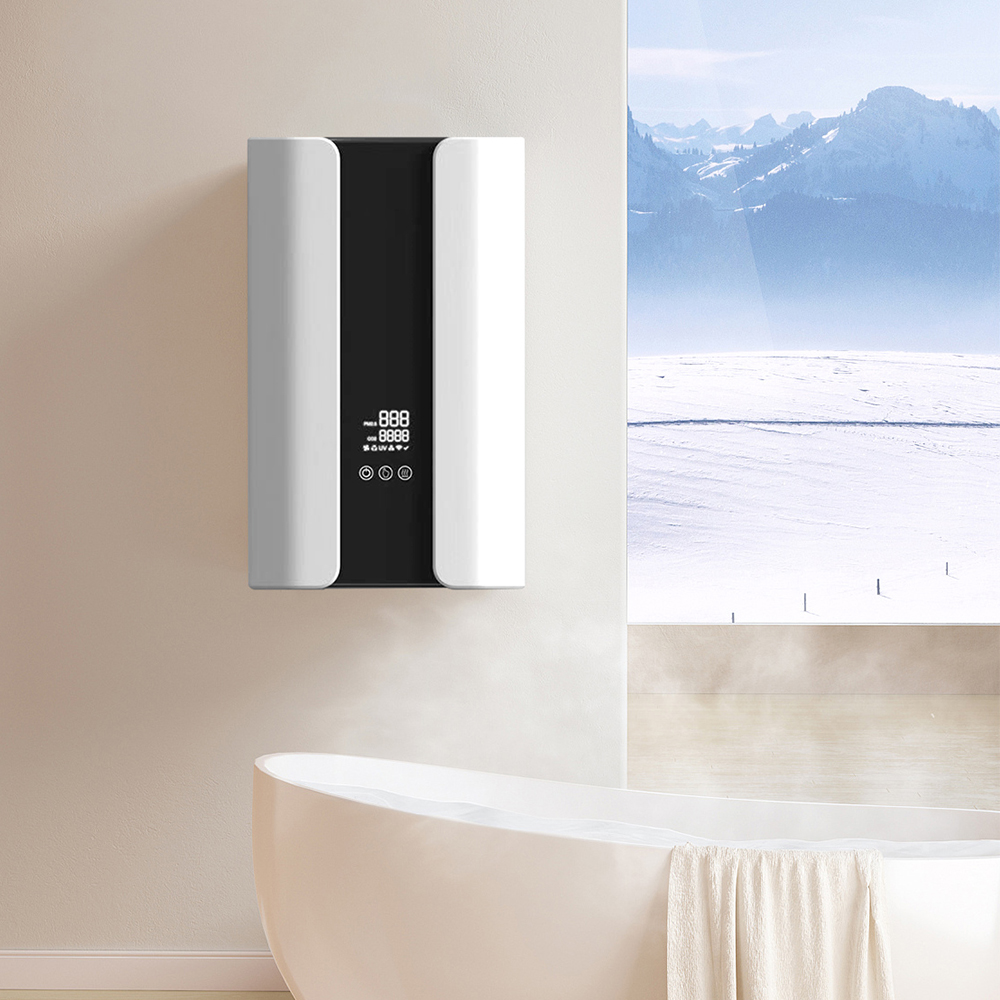
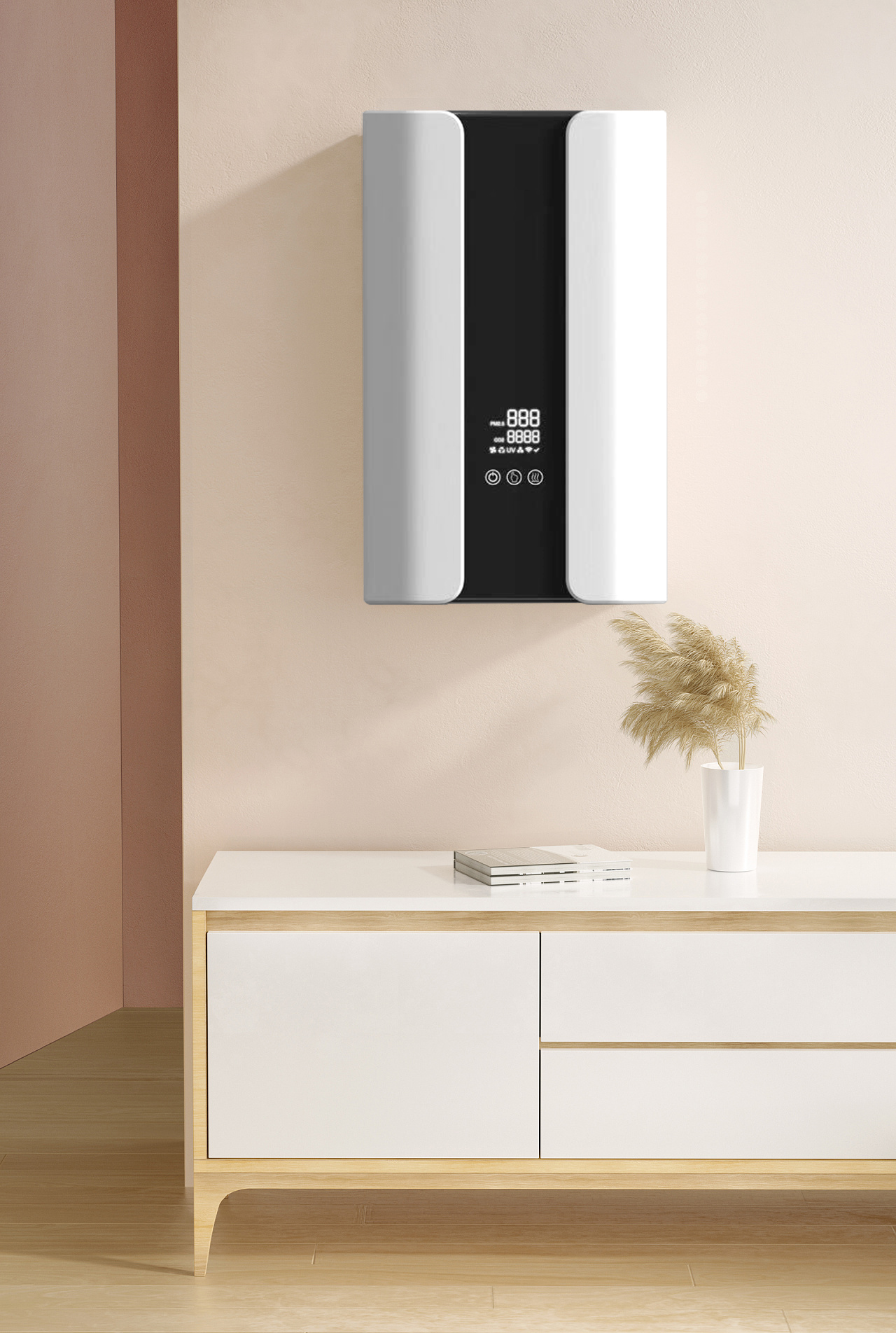
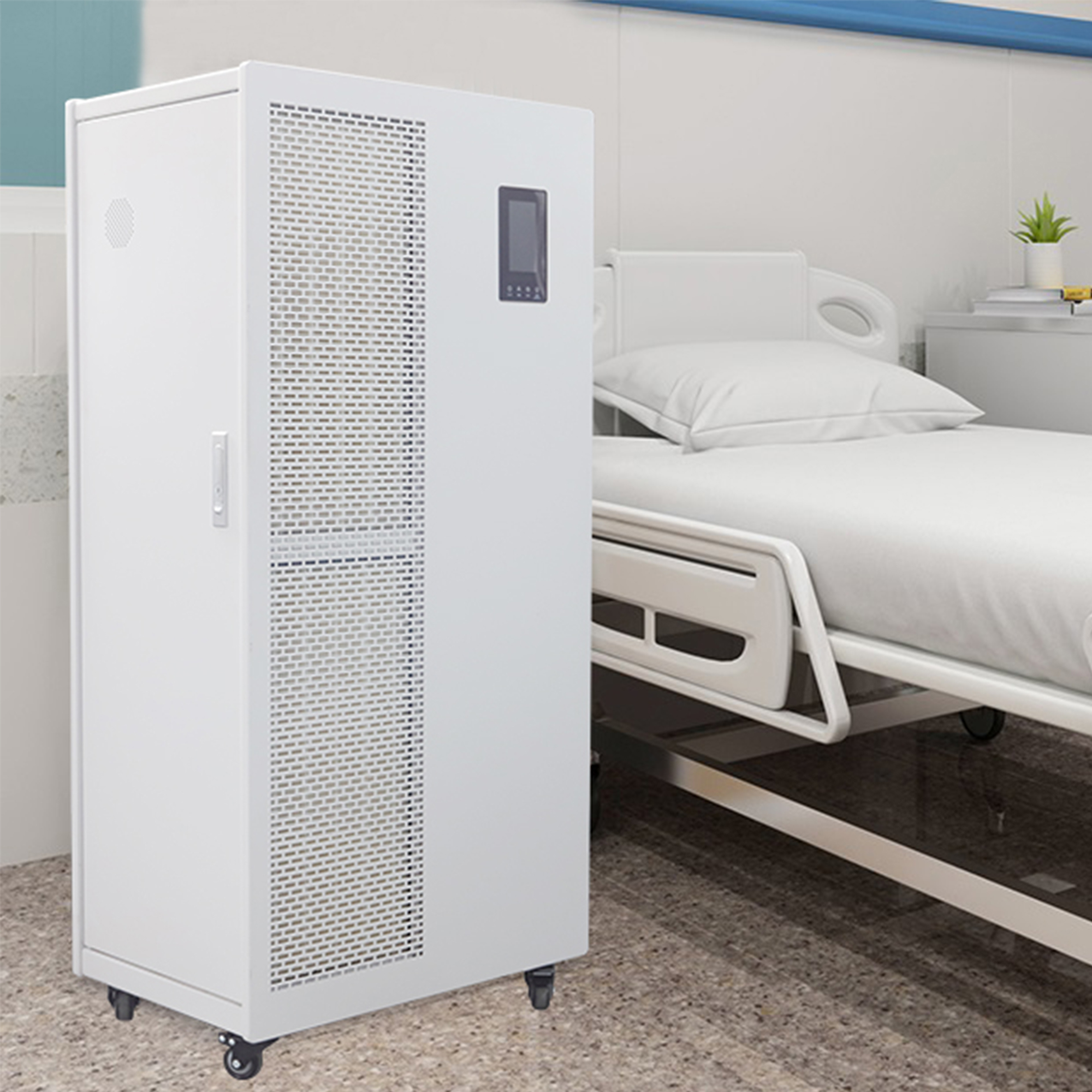
- Low CADR units fail in large rooms. A small desktop unit in a large open living area delivers very few air changes per hour. For rooms above roughly 400 square feet, a wall-mounted 300 CADR air purifier
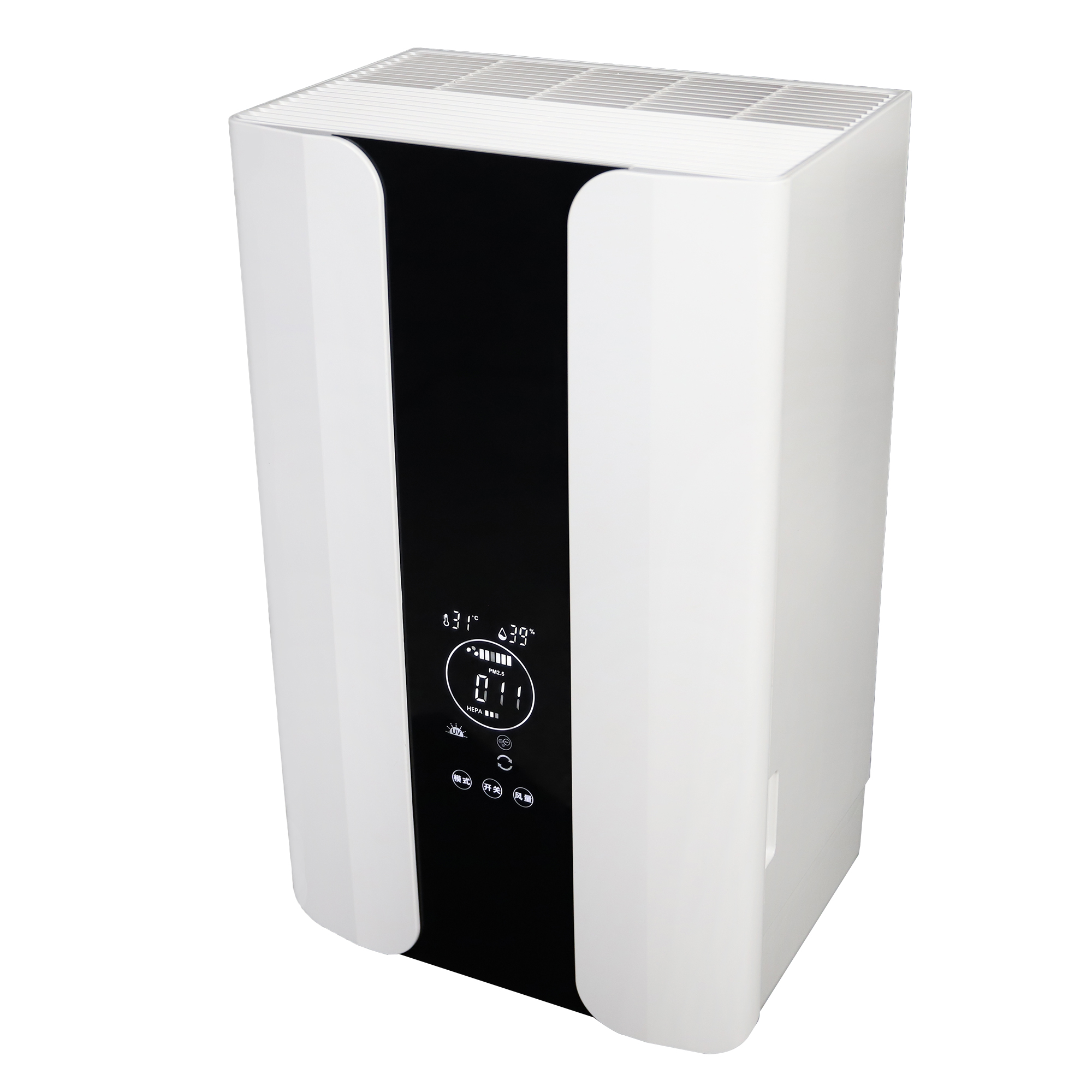 Custom Wall mounted 300 CADR air fresh ventilation device medical air purifier Ningbo Yinyu Purification Technology Co., Ltd is custom Wall mounted 300 CADR air fresh ventilation device medical air purifier YY-B-300...View Product → is a more realistic option.
 - Ozone generators should be avoided. The EPA advises against ozone-emitting air cleaners in occupied indoor spaces. Stick with HEPA and carbon designs or ozone-free plasma and UV-C units.
How to Choose an Air Purifier That Actually Helps
Match the unit to your room size, dominant pollutant, and noise tolerance rather than to marketing language.
CADR and room size. The Clean Air Delivery Rate from AHAM is the most useful specification. For a standard 8-foot ceiling, pick a purifier whose smoke CADR is at least two-thirds of your room area in square feet. A 300-square-foot living room, for example, needs a smoke CADR of at least 200 CFM.
HEPA grade. H11 filters handle larger dust particles, H13 is the common standard for allergy households, and H14 is the medical-grade tier used in hospital environments. If you want consistent results, avoid unknown "HEPA-like" media without a certified efficiency grade.
Carbon stage weight. VOC performance is largely determined by carbon mass, not brand. Look for several hundred grams of activated carbon if you care about chemical odors, and expect to replace it regularly.
Noise at night. Check the manufacturer's sound level in sleep mode at a CADR that still matches your room. Some units drop below 30 dB, and others only reach that level at the cost of meaningful airflow.
Replacement filter cost. A cheap unit with an expensive cartridge can cost more over three years than a quality unit with a reasonable one. For consistent results, a factory-made HEPA H13 replacement filter keeps the sealing frame and media spec identical to the original.
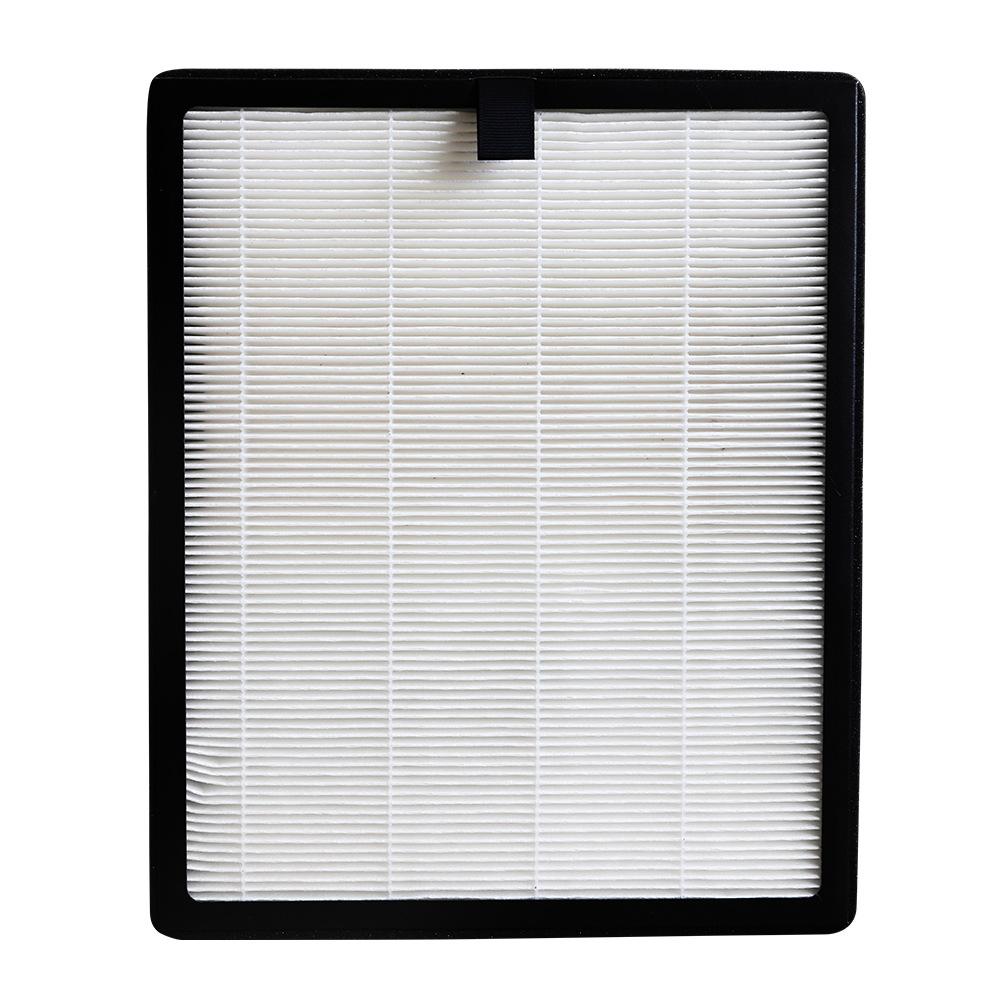 Custom HEPA H13 Replacement Filter Purification Effect Air Clean Filter Air PuriNingbo Yinyu Purification Technology Co., Ltd is custom HEPA H13 Replacement Filter Purification Effect Air Clean Filter Air Purifier Hep...View Product →
| Configuration | What it captures | Best fit | Filter life |
|---|---|---|---|
| Pre-filter + HEPA H13 | Dust, pollen, dander, PM2.5 | Allergy households | 6-12 months |
| Pre-filter + HEPA + activated carbon | Above plus VOCs, smoke, odors | Urban homes, new furniture, kitchens | 6-12 months |
| Medical-grade HEPA + carbon + UV-C/plasma | Above plus bacteria and viruses | Clinics, homes with vulnerable people | 6-12 months |
Air Purifier FAQ
Do air purifiers really help with allergies?
Yes, for airborne allergens. A true HEPA purifier with adequate CADR reduces pollen, pet dander, and dust mite debris in the air, and most allergy sufferers notice improvement within a few days.
What does an air purifier help with in a bedroom?
It helps with nighttime particulate levels, dust accumulation, lingering odors, and waking congestion. Choose a quiet model below 35 dB and place it close to the bed with clear airflow.
Is an air purifier worth it if I clean often?
Cleaning removes settled dust, not the particles you inhale. A purifier continuously removes airborne particles between cleaning sessions and slows down how fast dust settles again.
Can an air purifier remove viruses?
Filter-only models trap viruses on the HEPA media, while models with UV-C or plasma go further and inactivate them. HEPA alone filters, but does not kill germs.
What is a good CADR rating?
A good CADR depends on room size. Use the two-thirds rule: smoke CADR should be at least two-thirds of your room area in square feet. Higher CADR also means faster cleanup after cooking or smoke events.
Are air purifiers safe for children and pets?
Ozone-free designs with HEPA, carbon, or UV-C/plasma are safe for normal household use. Keep units out of reach of very young children and avoid any model that deliberately generates ozone.