EN
EN
 English
 中文简体
中文简体
.png)
Picture a 40 m² open-plan office with six workstations, a shared printer and freshly installed carpet. By mid-afternoon, the air feels flat, someone sneezes, and concentration drops. Opening a window is not a reliable fix: outdoor air can carry PM2.5, pollen and traffic fumes straight in. What an office actually needs is a deliberately selected air purifier, matched to room size, pollutant load and noise tolerance.
The short version first: choose an office air purifier by its Clean Air Delivery Rate (CADR), insist on HEPA H13 or higher filtration with activated carbon, keep the noise level acceptable for your work environment, and calculate filter replacement cost before you buy. The rest of this guide explains why these points matter and how to turn them into a specification.
Content
- 1 Why Office Air Is Different from Home Air
- 2 Match CADR to the Actual Office Space
- 3 Filtration Technology: What Actually Needs to Be Inside
- 4 Noise Is the Hidden Specification
- 5 Filter Replacement and Running Costs
- 6 Wall-Mounted, Portable or High-CADR: Choosing the Form Factor
- 7 For Facility Managers and Brands: Planned Supply Matters
- 8 FAQs About Air Purifiers for Offices
Why Office Air Is Different from Home Air
Offices have a different pollution profile than bedrooms or living rooms. Tight building envelopes and HVAC systems recycle indoor air, allowing pollutants to build up through the day. The usual culprits include printer toner particles, volatile organic compounds (VOCs) from furniture, cleaning agents and adhesives, plus bioeffluents released by people working in a confined space.
This is not just a comfort issue. The Harvard COGfx study reported that cognitive performance improved when indoor CO2 and VOC levels were lower. According to the U.S. EPA, indoor air can be two to five times more polluted than outdoor air. For an office, the practical implication is simple: you need continuous, controlled air cleaning rather than an occasional blast of fresh air.
- VOCs and odors — printers, markers, cleaning products and new furniture.
- Particulate matter — dust, toner, skin flakes, and PM2.5 entering from outdoors.
- Bioeffluents and CO2 — produced by people; higher in meeting rooms and open plans.
- Allergens — pollen and dust mites, which affect employee health and focus.
Match CADR to the Actual Office Space
CADR tells you how many cubic metres of air a purifier can clean per hour. For offices, a useful rule of thumb is five air changes per hour: multiply the floor area by the ceiling height and then by five. If a room is 40 m² with a 2.8 m ceiling, the recommended CADR is about 40 × 2.8 × 5 = 560 m³/h. Using a unit with a lower CADR simply means the room never reaches the intended cleanliness level.
| Office type | Floor area | Ceiling height | Minimum CADR |
|---|---|---|---|
| Small office / meeting room | 20 m² | 2.6 m | 260 m³/h |
| Medium office room | 35 m² | 2.8 m | 490 m³/h |
| Open-plan office | 50 m² | 3.0 m | 750 m³/h |
| Reception / lobby | 80 m² | 3.2 m | 1,280 m³/h |
For larger spaces, a high-CADR unit or multiple smaller units distributed around the floor usually works better than one over-specified machine placed in a corner. The chart below shows typical room sizes and the approximate CADR recommended for each.
Bars show the minimum CADR at 2.8 m ceiling height and five air changes per hour.
Filtration Technology: What Actually Needs to Be Inside
Not all air purifiers are equally useful in an office. A basic HEPA filter removes particles but leaves odors and chemical gases behind. An ionizer alone may produce trace ozone, which is a legitimate concern in an occupied workplace. The most dependable approach is a combination of a genuine HEPA filter plus an activated carbon layer, with optional plasma or UVC support for disinfection.
HEPA Grades to Look For
- H13 HEPA — captures 99.95% of particles at the most penetrating particle size; the practical minimum for an office.
- H14 HEPA — captures 99.995% and is used when occupants include vulnerable people or where medical-grade cleanliness is expected.
- Activated carbon — absorbs VOCs, printer fumes and tobacco or food odors that HEPA cannot catch.
- Plasma or UVC — provides extra disinfection for high-traffic reception areas and clinics, but should not replace true filtration.
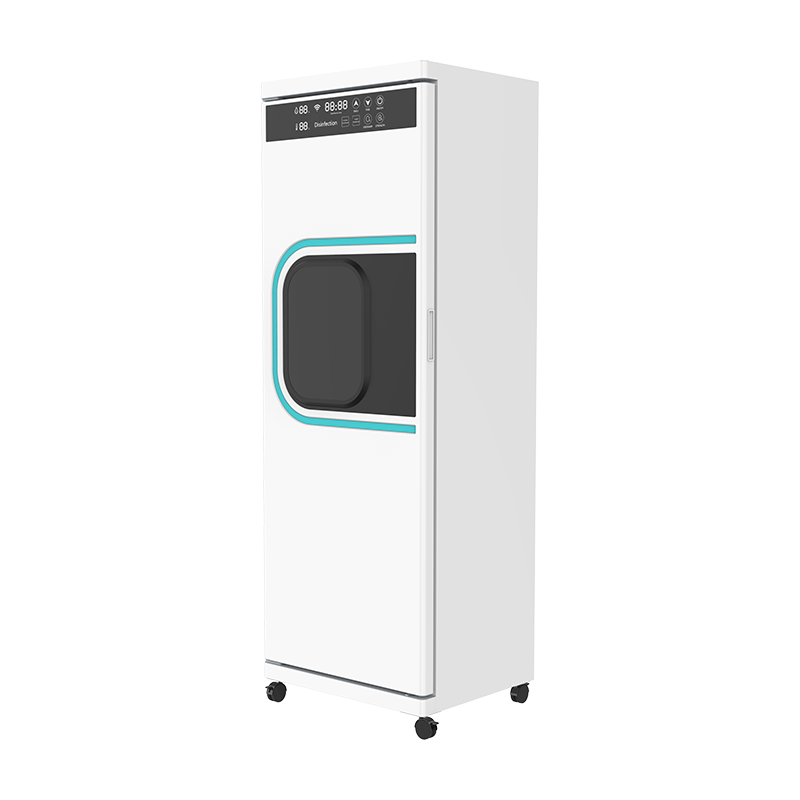
If your office includes a medical clinic, dental practice or waiting area, filtration requirements are stricter. A medical-grade air purifier will typically combine H14 filter media with sealed construction and higher CADR. For general offices, H13 with a generous carbon layer is usually enough.
Noise Is the Hidden Specification
An air purifier that delivers high CADR is useless if employees cannot concentrate next to it. Office background noise is typically around 40 dB; a good office purifier should stay close to or below that level on its normal operating speed. Meeting rooms and phone booth areas need quieter units, ideally around 30 dB or less.
Curves like this are typical for a medium-capacity office purifier; check the spec sheet for the actual dB rating.
When comparing models, look at the sound power level rather than only the marketing description. A unit used overnight in a shared workspace should be evaluated at its sleep or low speed as well as its maximum speed.
Filter Replacement and Running Costs
The purchase price of an office air purifier is only part of the budget. Filters must be replaced regularly, and the cost of a genuine HEPA H13 filter can vary substantially between brands. Cheaper machines often have smaller, expensive-to-replace filters; a slightly higher upfront investment in a standard-size filter usually pays off within two years.
- Prefilters — vacuum or wipe monthly; replace as needed.
- HEPA H13 or H14 filters — replace every 6 to 12 months depending on air quality and running hours.
- Activated carbon filters — replace at the same interval; more frequent if the office has printers or heavy odors.
- UVC lamps — replace every 8,000 to 10,000 hours; count this into maintenance cost.
Replacement program strategy matters too. If you manage multiple offices, standardising on one filter platform reduces spare-part stock and simplifies maintenance training. A factory-made HEPAH13 replacement filter with a rigid frame gives a reliable fit and prevents untreated air from bypassing the media. 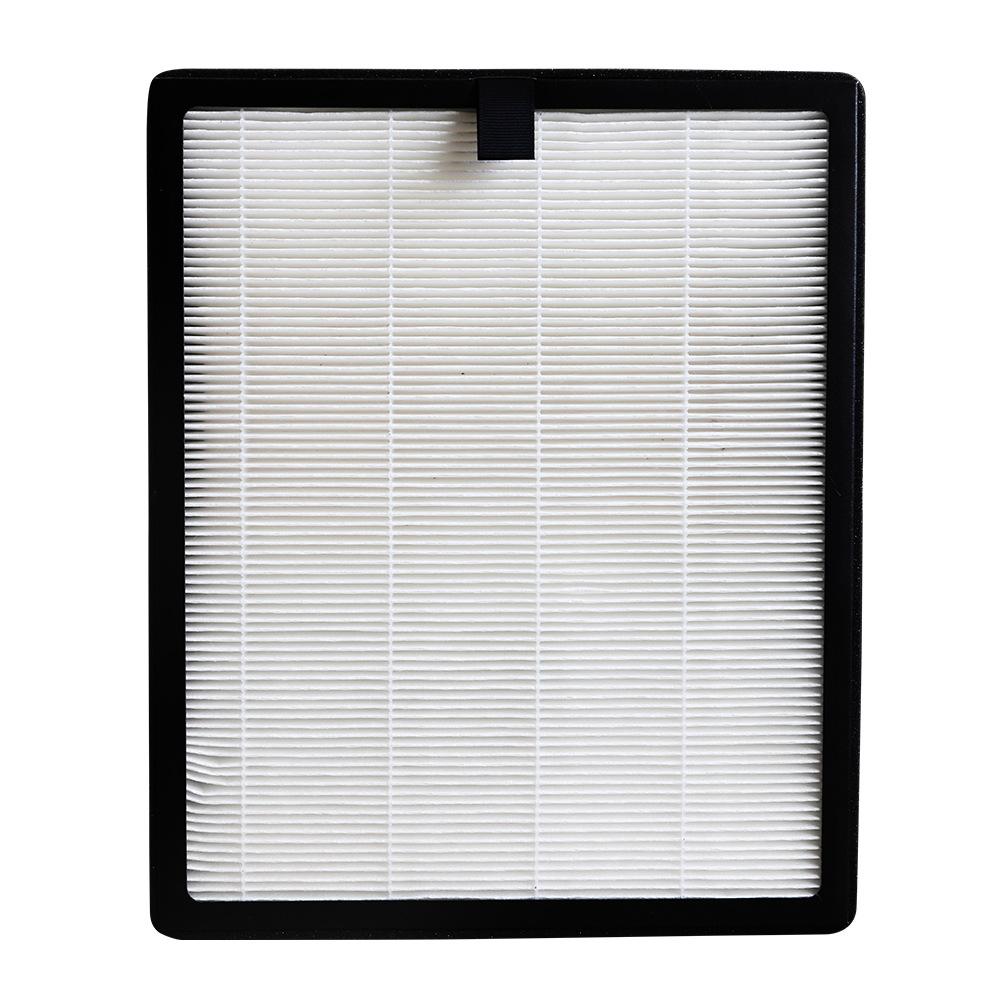 HEPA H13 Replacement Filter for Office Air PurifiersThis factory-made HEPA H13 filter with a rigid frame ensures a reliable fit and prevents untreated air from bypassing the media, helping standardise maintenance across multiple offices.View Product →.
Wall-Mounted, Portable or High-CADR: Choosing the Form Factor
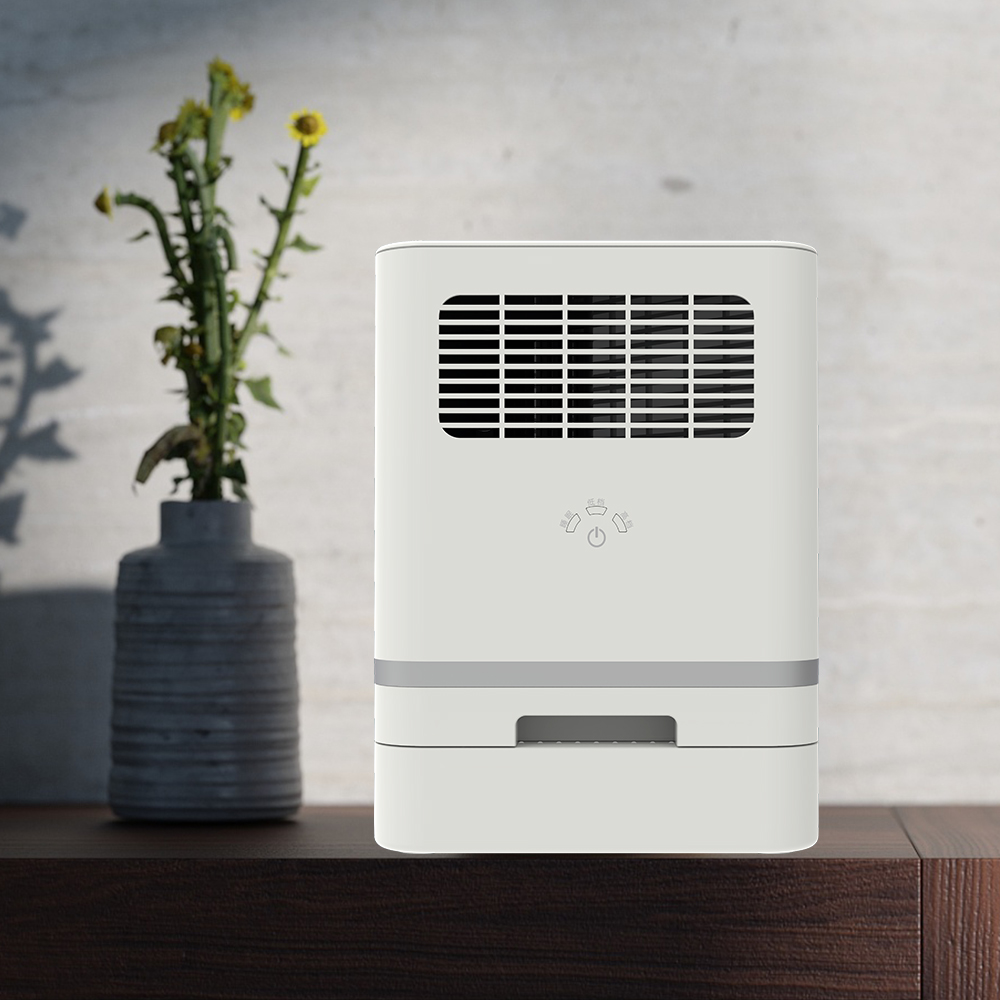
Office layout determines which form factor is sensible. A compact desktop unit helps an individual in a crowded cubicle, while a wall-mounted unit protects floor space in meeting rooms and reception areas. Open-plan floors usually perform better with one or two high-CADR machines placed near the main airflow path rather than dozens of small personal units.
Wall-Mounted Units for Smaller Offices
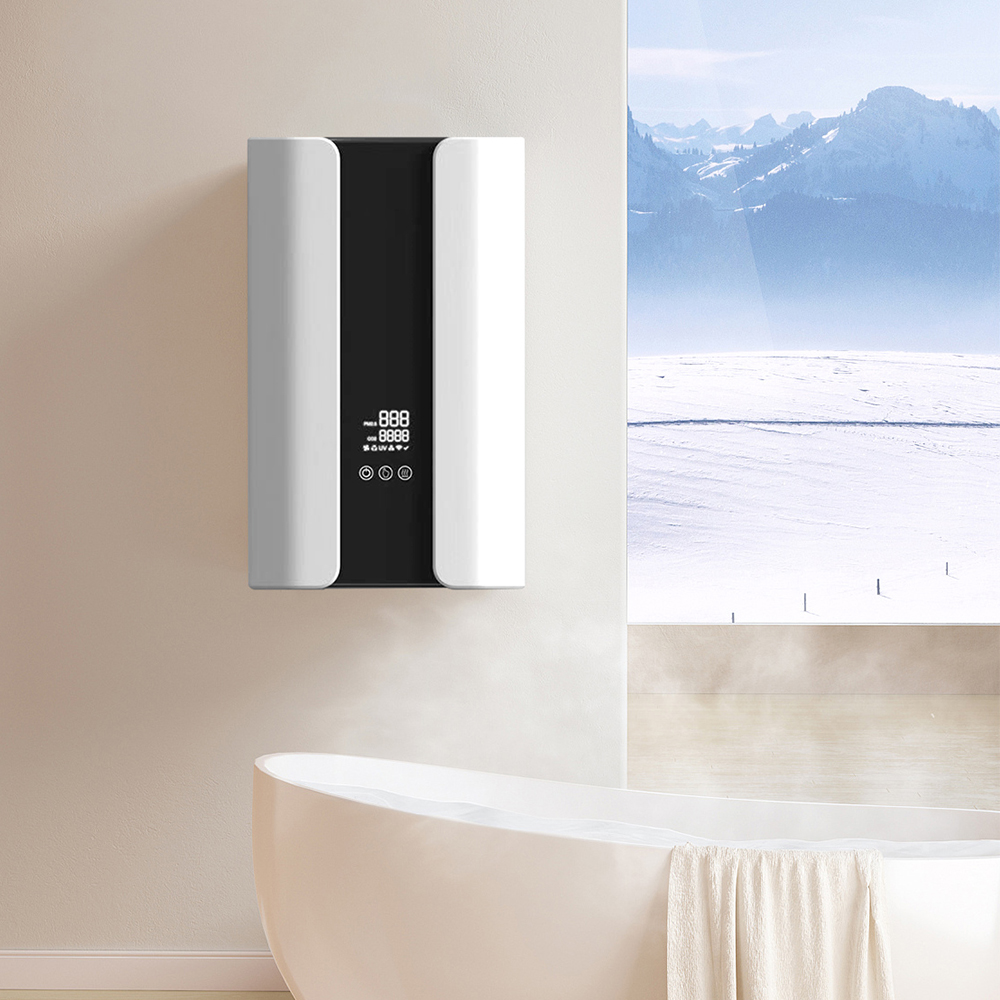
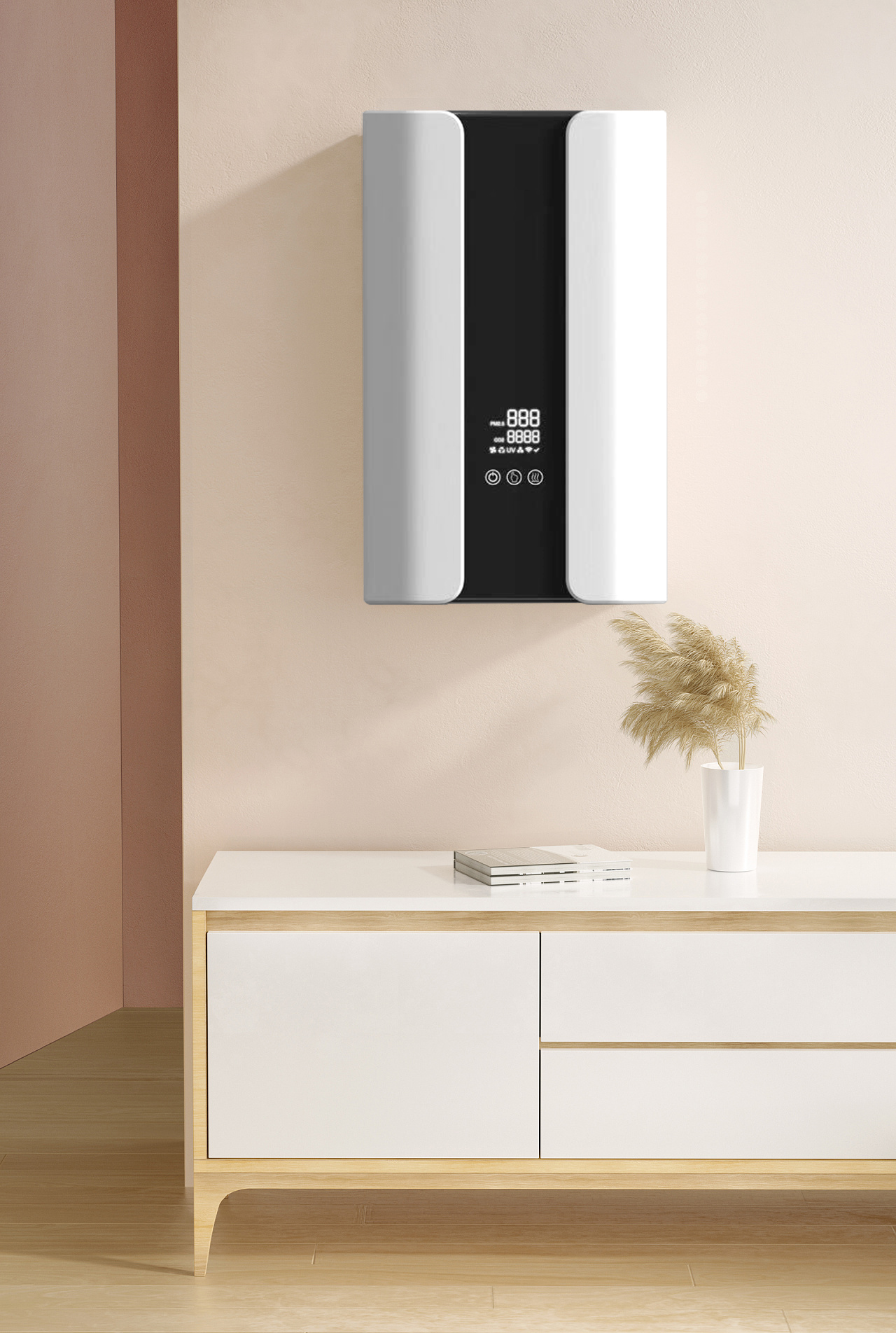
Wall-mounted purifiers keep the floor clear, which is especially valuable in rooms with limited space. They are also more difficult to knock over and can be placed at a height that improves air circulation. For a 20–40 m² office, a medical-grade wall-mounted unit is a practical fit. 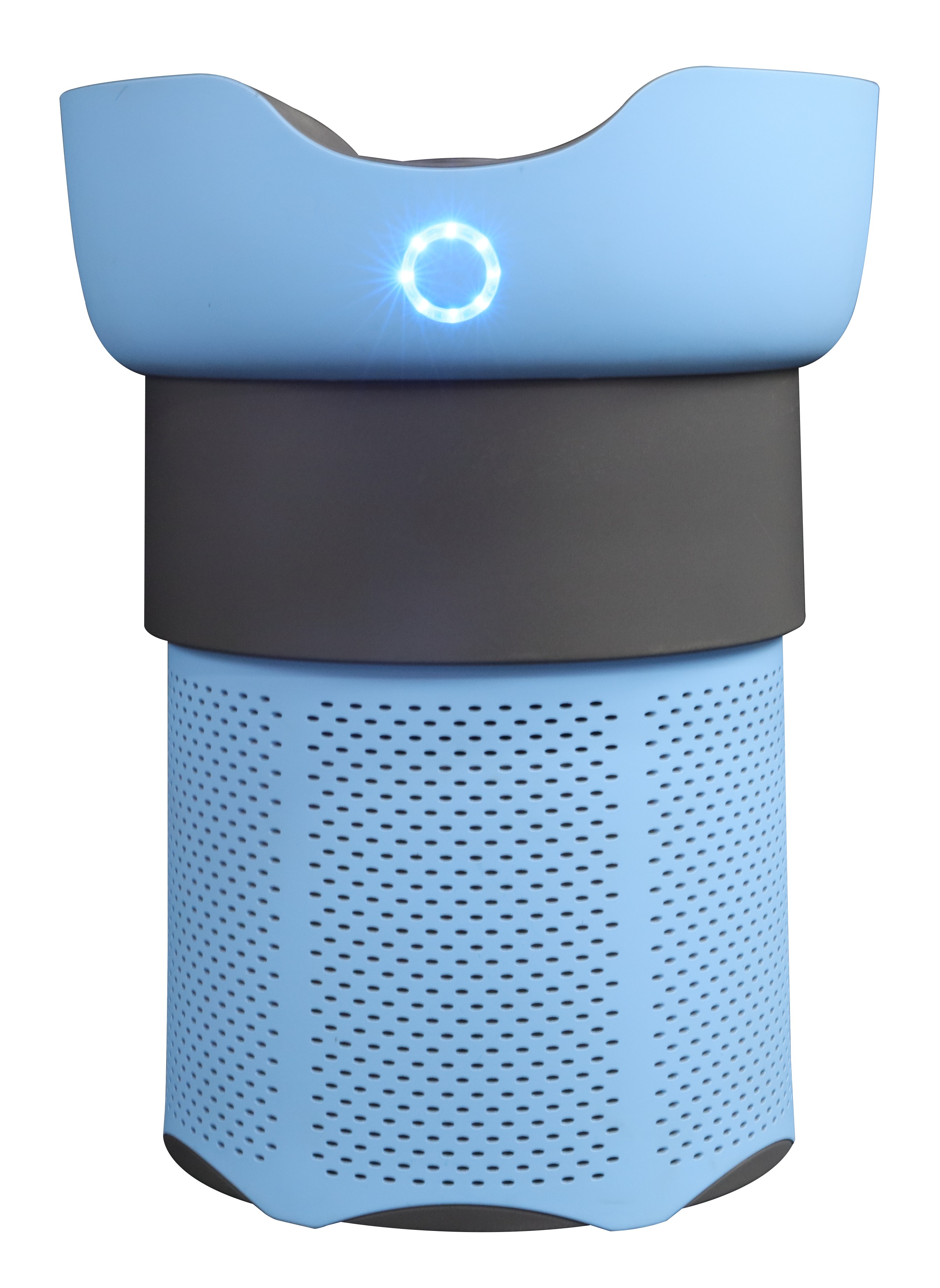 BKJ-22M Wall-Mounted Medical Air PurifierA wall-mounted unit that keeps floors clear and is practical for 20–40 m² office spaces, with medical-grade purification suited to meeting rooms and reception areas.View Product →.
High-CADR Units for Open-Plan Offices
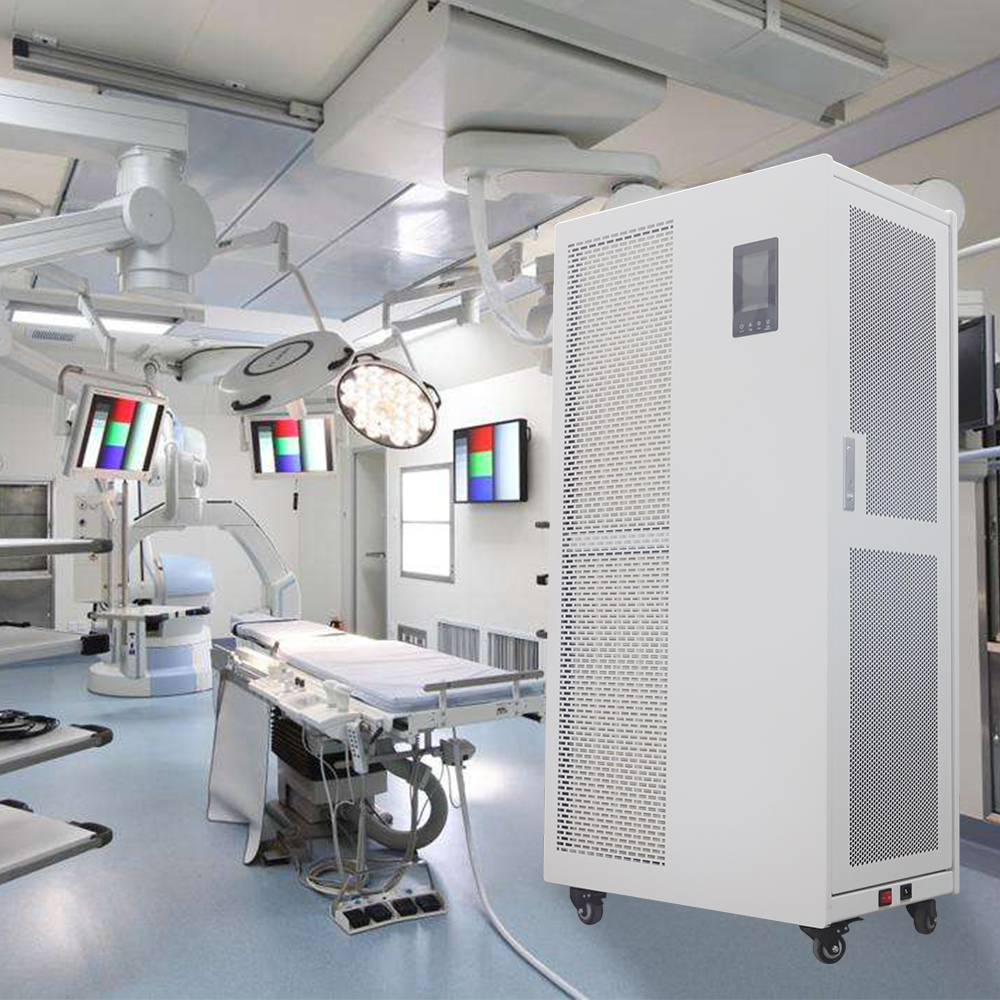
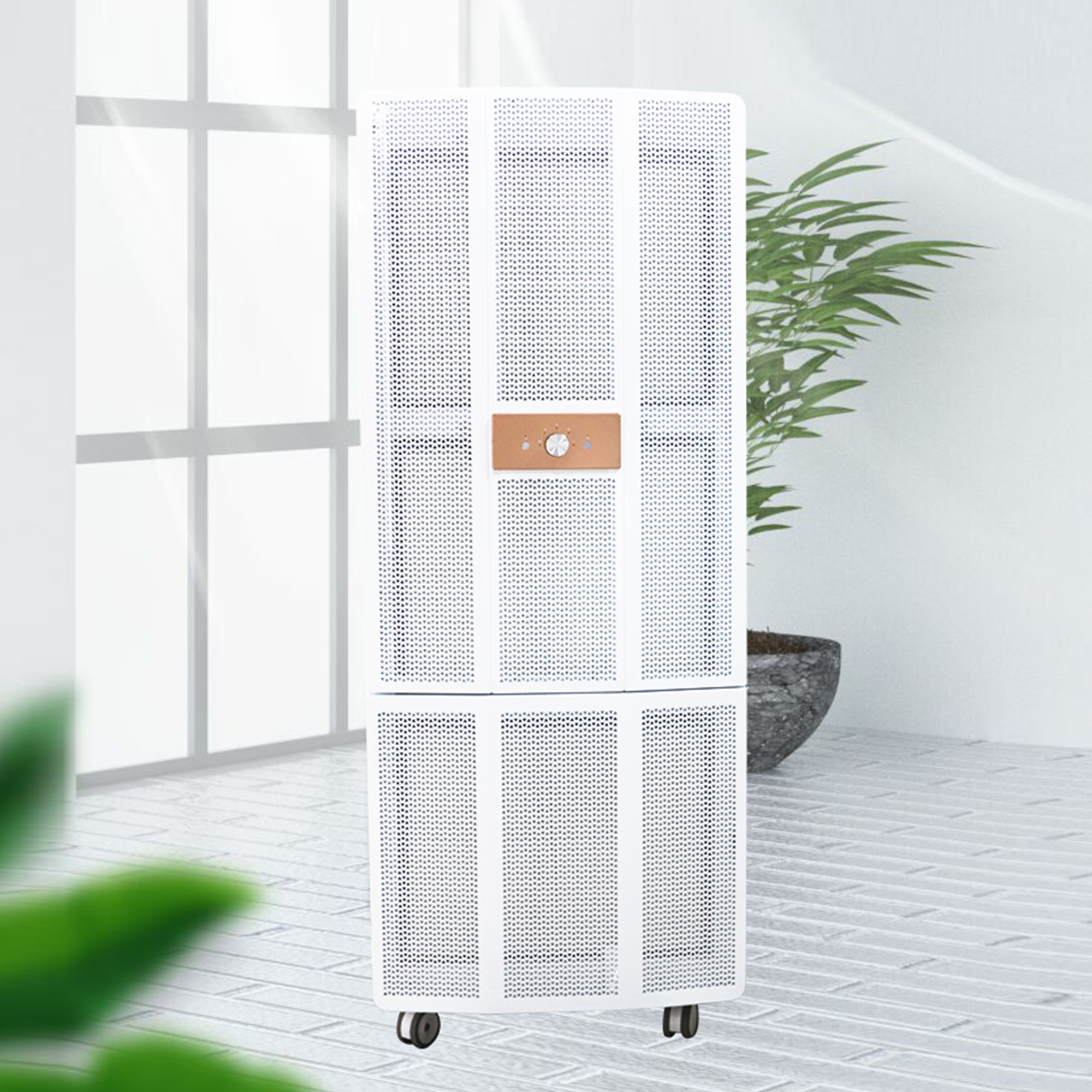
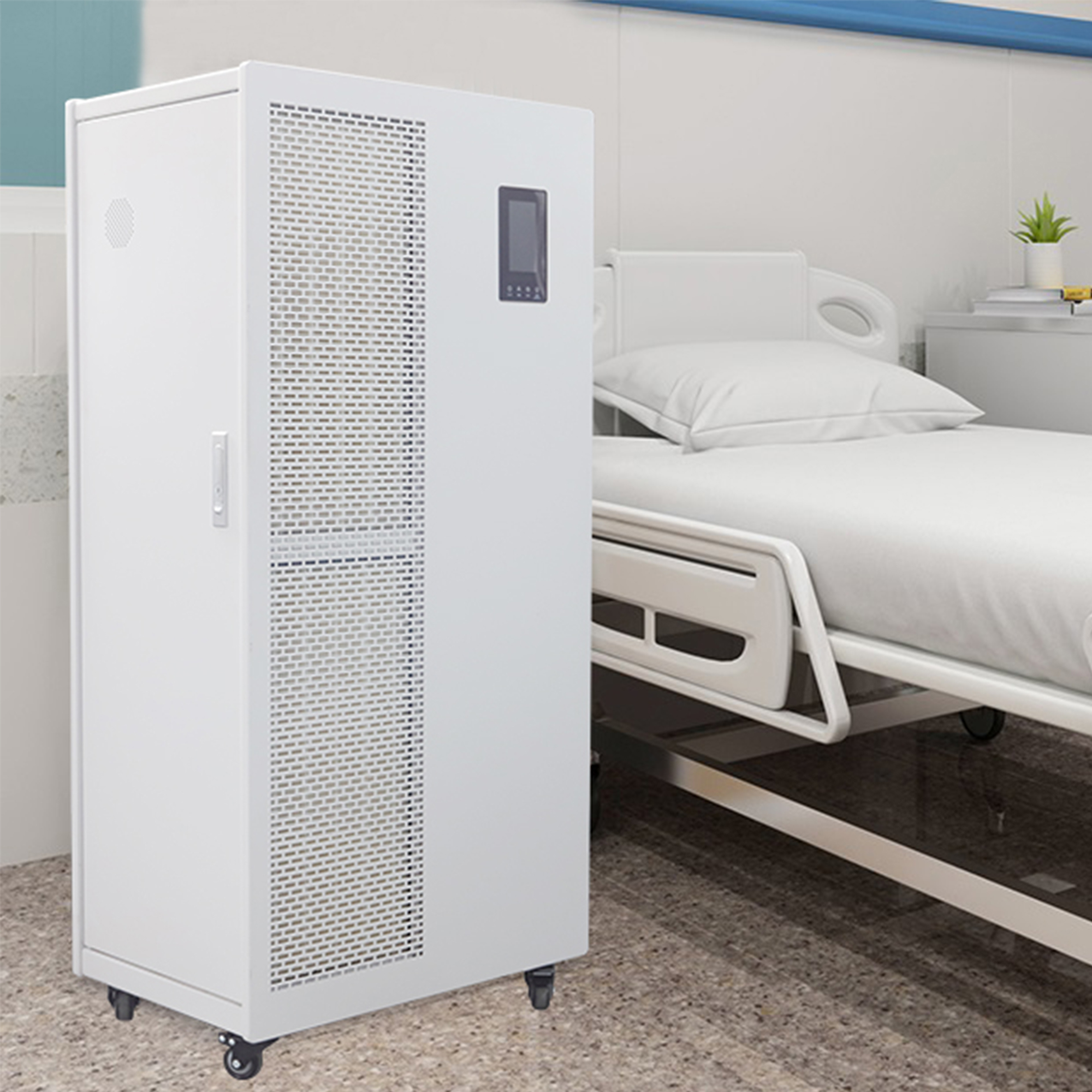
If the office is larger than 60 m², look for a unit with a CADR above 800 m³/h. These machines usually have stronger fans and larger filters, and they can clean the whole open area in one pass more effectively. Pay attention to how many intake and outlet directions the unit has; some high-CADR models pull air from the front and sides, which helps in an open plan.  YKX-1200 High-CADR Air Purifier with WheelsWith a CADR above 800 m³/h, this portable unit suits open-plan offices larger than 60 m², offering multi-directional intake and features like UV sterilization and fan speeds.View Product →.
For very large shared spaces, consider combining one high-CADR unit with several smaller units rather than trying to force all the air through a single machine. Position units near return-air paths, printer areas or meeting-room entrances to get the most benefit. You can also compare specifications across the large-room air purifier range before committing to a deployment plan.
For Facility Managers and Brands: Planned Supply Matters
Offices are not static environments. Workstations move, printers relocate, and meeting rooms change use. If you are responsible for purchasing across several offices, it helps to work with a manufacturer that can supply consistent units and filters over multiple years. This is where OEM and ODM cooperation becomes relevant: you can specify the CADR, noise level, filter configuration and even the casing design for your company’s needs.
A manufacturer with full in-house production — filter media, plastic injection molding and final assembly — can keep quality more stable than one that relies on third-party components. For a regenerated or private-label office air purifier program, request the CADR test report, noise rating and filter replacement schedule before ordering. This is also the fastest way to get units that match a specific office brand or visual standard.
FAQs About Air Purifiers for Offices
Q1: What CADR do I need for an office?
Multiply the office floor area by ceiling height, then by five air changes per hour. A 40 m² office with 2.8 m ceilings needs roughly 560 m³/h CADR.
Q2: Are HEPA filters better than ionizers for offices?
Yes for most offices. HEPA filters physically capture particles without producing ozone, while ionizers alone are weaker and may generate trace ozone. Choose HEPA H13 or H14.
Q3: Will an air purifier remove office odors?
An activated carbon layer removes VOCs, printer fumes and food odors. If you only have HEPA filtration, some gases will remain.
Q4: How often should office air purifier filters be replaced?
Generally every 6 to 12 months, depending on running hours and air quality. Replace prefilters more frequently, and inspect carbon filters in heavy-odor environments.
Q5: Can an air purifier help with allergies at work?
Yes. HEPA filtration captures pollen, dust mites and pet dander brought in on clothing, reducing the particle load that triggers allergy symptoms.
Q6: What is the best type of air purifier for a small office?
A wall-mounted or compact unit with a true HEPA H13 filter, enough CADR for the room area, and a noise level below 40 dB at normal speed.