EN
EN
 English
 中文简体
中文简体
.png)
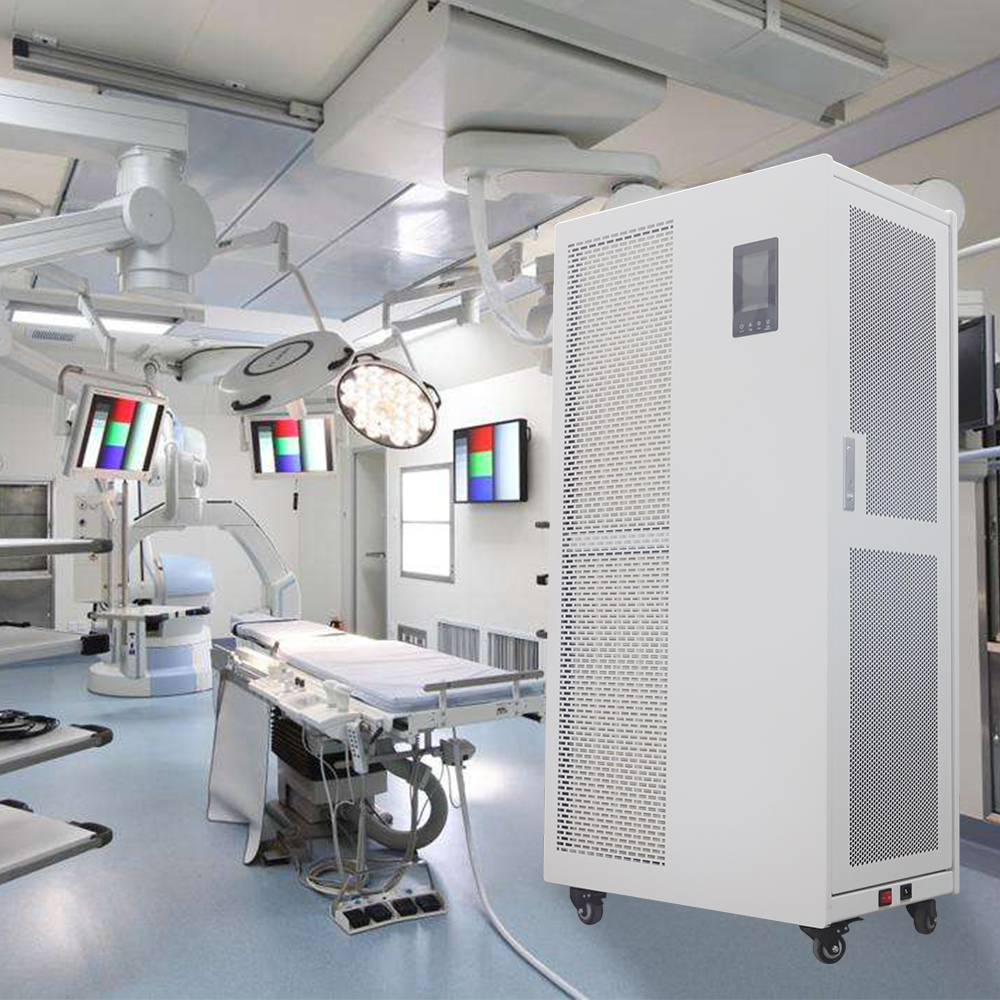
With the development of the medical industry, hospitals, clinics, and other medical institutions have increasingly stringent requirements for hygiene and disinfection. As a professional disinfection device, the medical disinfection cabinet plays a crucial role in medical institutions. It not only effectively eliminates pathogenic microorganisms, ensuring the safe use of medical instruments, equipment, and supplies, but also provides a more hygienic environment for patients and medical staff.
This article will introduce you to the definition, working principle, application areas, and how medical disinfection cabinets ensure medical safety, and will also provide some tips on usage and maintenance.
Content
1. What is a medical disinfection cabinet?
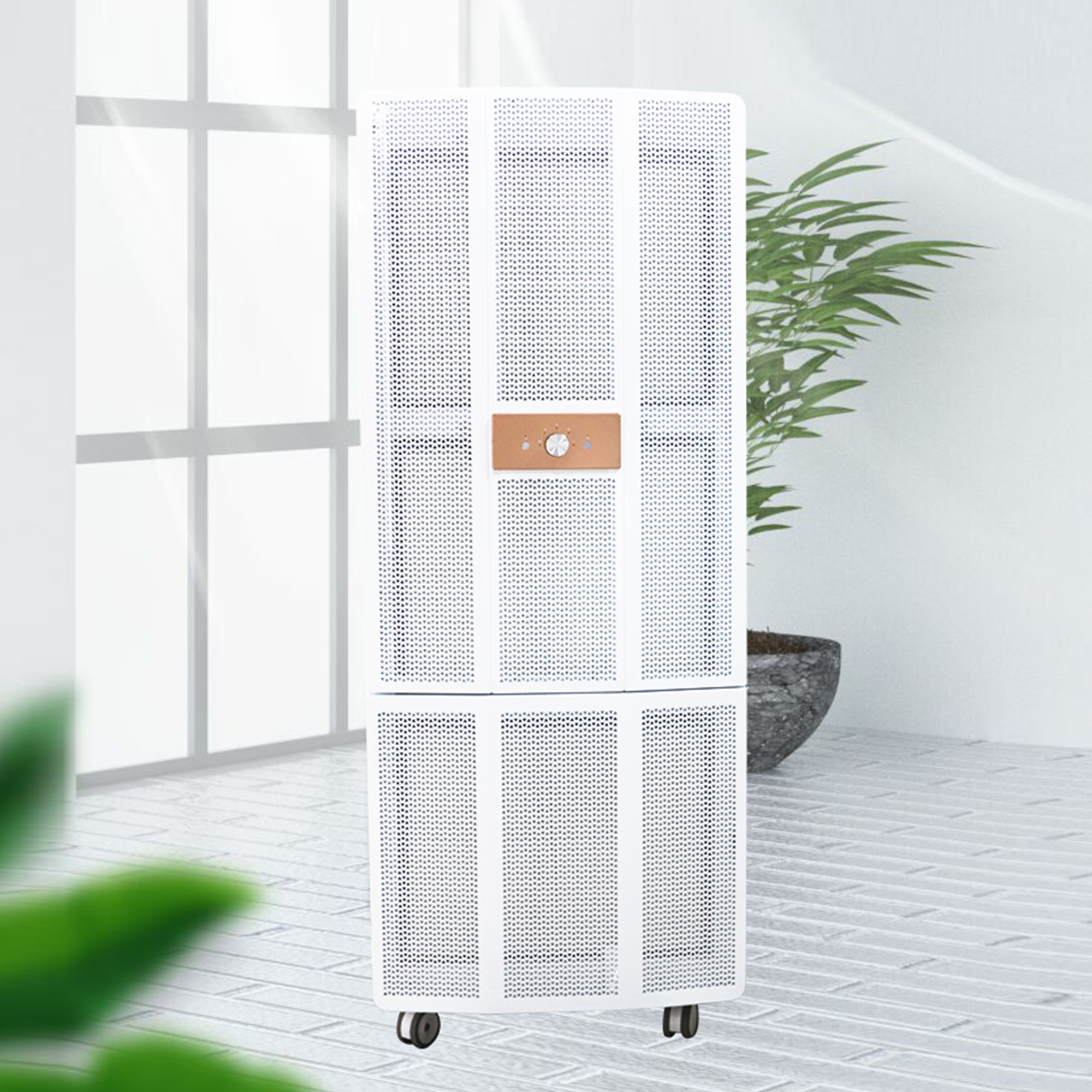
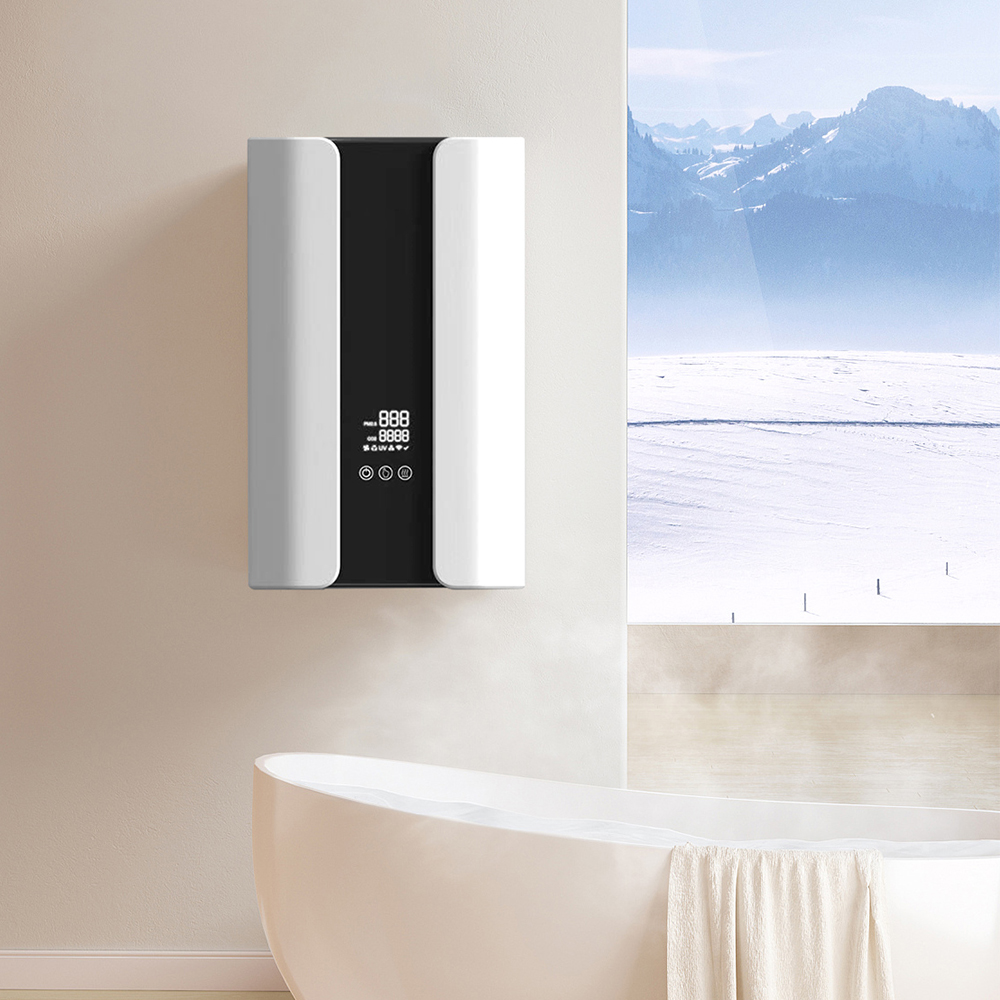
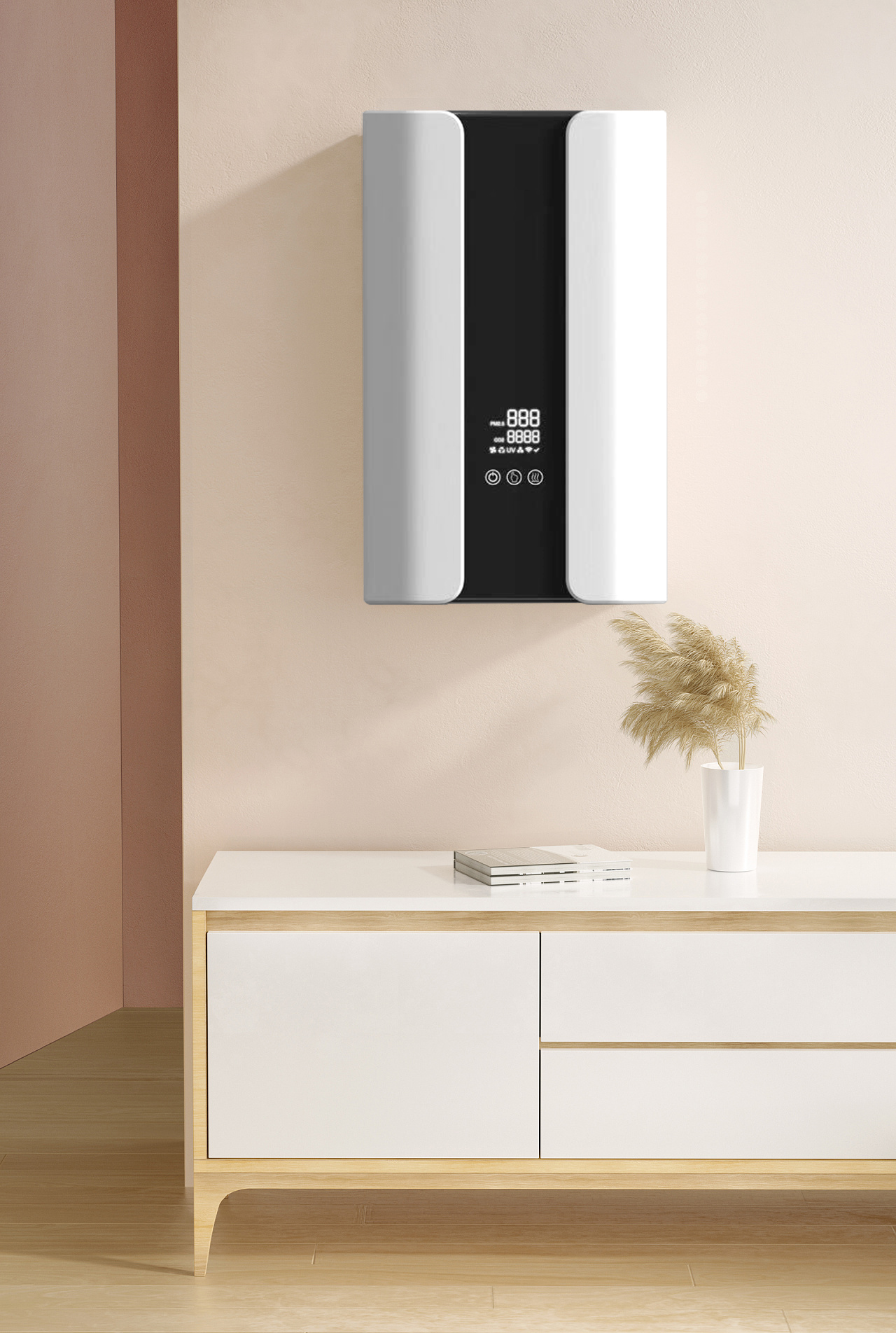
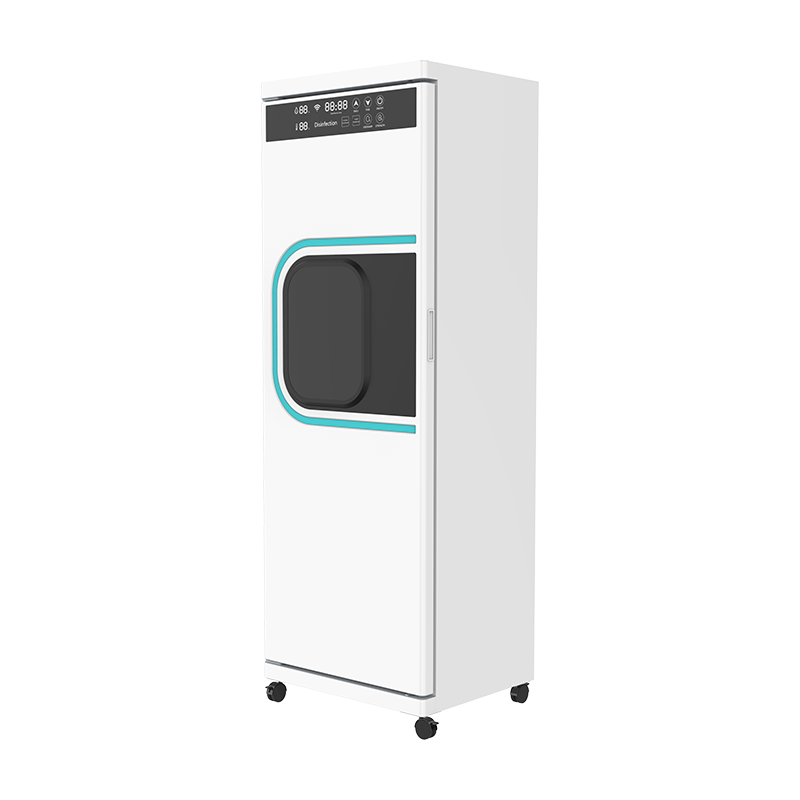
A medical disinfection cabinet is a device specifically used for disinfecting medical instruments, supplies, and other items. It uses various methods such as high temperature, ultraviolet light, ozone, and ultrasound to deeply disinfect medical instruments, killing bacteria, viruses, and other harmful microorganisms, ensuring the cleanliness and safety of the medical environment. Unlike ordinary household disinfection cabinets, medical disinfection cabinets are more professionally designed and functional, capable of meeting more complex disinfection requirements.
Medical disinfection cabinets are usually divided into the following types according to their disinfection principles:
High-temperature disinfection cabinet: Disinfects through high-temperature heating, suitable for heat-resistant medical instruments.
Ultraviolet disinfection cabinet: Kills bacteria and viruses through the radiation of ultraviolet lamps, suitable for temperature-sensitive items.
Ozone disinfection cabinet: Uses the strong oxidizing properties of ozone to kill harmful microorganisms, often used for deep disinfection of air and items.
Ultrasonic disinfection cabinet: Removes bacteria and dirt from the surface of items through vibrations generated by high-frequency sound waves.

2. How does a medical disinfection cabinet ensure medical safety?
Medical disinfection cabinets help hospitals, clinics, and other medical environments maintain hygiene and safety by eliminating pathogenic microorganisms. Its working principle includes both physical and chemical methods, mainly ensuring medical safety by sterilization, removing harmful substances, and reducing the risk of cross-infection.
(1) Killing harmful bacteria
Medical disinfection cabinets use technologies such as high temperature, ultraviolet light, and ozone to effectively kill pathogenic microorganisms on medical instruments and equipment. Bacteria, viruses, fungi, and other pathogenic microorganisms are the source of many medical infections. Through thorough disinfection, the disinfection cabinet can effectively reduce the risk of cross-infection and avoid hospital-acquired infections caused by unclean instruments. Examples: The ultraviolet light or ozone used in medical sterilization cabinets can kill bacteria such as E. coli and Staphylococcus aureus within minutes, and can even eliminate some highly drug-resistant bacteria, ensuring the thorough cleaning of medical instruments.
(2) Preventing Cross-Contamination
Cross-contamination is one of the major sources of hospital-acquired infections, especially during surgical procedures and dental treatments. Medical sterilization cabinets can thoroughly disinfect surgical instruments, nursing tools, and other medical devices, preventing the spread of germs from one patient to another and ensuring patient safety. Especially for medical devices used repeatedly, sterilization cabinets provide an efficient and economical method of disinfection.
(3) Improving Disinfection Efficiency
Traditional disinfection methods, such as manual wiping or soaking in disinfectant solutions, are not only inefficient but also carry the risk of improper operation. In contrast, medical sterilization cabinets disinfect automatically, with controllable disinfection time and procedures, thus greatly improving the efficiency and accuracy of disinfection. For hospitals and other places with high-frequency use of disinfection equipment, this can significantly save labor time and costs.
(4) Ensuring Traceability of Disinfection Results
Some high-end medical sterilization cabinets are equipped with intelligent control systems that can monitor parameters such as temperature, humidity, and disinfection time in real time. The data recorded by the system can serve as evidence of the disinfection effect, facilitating management and traceability by medical personnel. In addition, some sterilization cabinets are equipped with a disinfection report function, ensuring that each disinfection process has a complete record, further ensuring medical safety.
3. Application Areas of Medical Sterilization Cabinets
Medical sterilization cabinets play a crucial role not only in the disinfection of medical instruments in hospitals and clinics but are also widely used in other medical institutions, laboratories, and related fields. The following are some major application areas of medical sterilization cabinets:
| Application Area | Specific Uses |
| Hospital | Disinfection of surgical instruments, ward items, diagnostic tools, etc. |
| Dental Clinic | Disinfection of dental instruments, oral treatment equipment, etc. |
| Laboratory | Disinfection of laboratory utensils, containers, etc. |
| Dialysis Center | Disinfection of dialysis instruments, puncture instruments, etc. |
| Home Care | Disinfection of home care tools, baby products, etc. |
4. How to Choose and Use a Medical Sterilization Cabinet?
(1) Choosing the Appropriate Disinfection Method
Different types of medical instruments require different disinfection methods. For precision instruments that are not resistant to high temperatures, ultraviolet disinfection or ozone disinfection is a better choice; for instruments that are resistant to high temperatures, such as scalpels and forceps, a high-temperature sterilization cabinet can be used. Choosing the appropriate disinfection method ensures the disinfection effect while avoiding damage to the instruments.
(2) Regular Inspection and Maintenance of Sterilization Cabinets
During long-term use, medical sterilization cabinets may experience problems such as equipment aging, ultraviolet lamp failure, and ozone generator damage. To ensure the sterilizer cabinet remains in optimal working condition, regular inspections and maintenance are necessary. Check the cabinet's airtightness, temperature control system, and safety protection measures during the sterilization process to ensure effective sterilization with each use.
(3) Training Medical Personnel on Usage
The correct use of the sterilizer cabinet requires professional training. Medical personnel should be familiar with the equipment's operating procedures and maintenance requirements. Ensure that the use of the sterilizer cabinet complies with medical sterilization standards and that the sterilization process can be tracked through operation records to avoid ineffective sterilization due to improper operation.
To ensure the effectiveness of the sterilizer cabinet, selecting appropriate equipment, regular maintenance, and correct usage are all crucial. With continuous technological advancements, future medical sterilizer cabinets will become more intelligent, better serving the medical industry and ensuring patient safety and health.