EN
EN
 English
 中文简体
中文简体
.png)
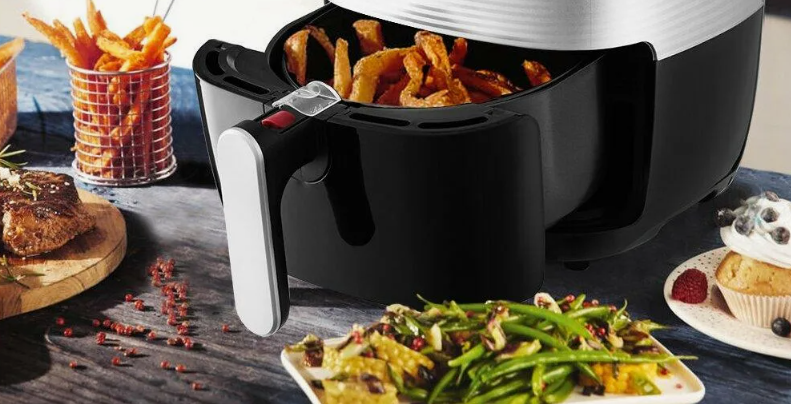
With increasing awareness of healthy eating, the air fryer, as a new kitchen appliance, has quickly become a popular device in home kitchens. It attracts many consumers with its concept of "less oil, more health." Air fryers cook food to a golden crisp using hot air circulation, but does it really make food healthier? This article will help you understand the working principle, advantages, and disadvantages of air fryers, and whether they can make our diet healthier.

1. How Air Fryers Work
Air fryers cook food using high-speed hot air circulation, which is different from traditional deep frying. In traditional deep frying, food is immersed in a large amount of oil, and the high-temperature oil makes the food surface crispy while keeping the inside juicy. Air fryers, on the other hand, use a small amount of oil or no oil at all, creating a crispy crust on the food's surface while maintaining the food's internal moisture.
The core technology of the air fryer is its rapid air circulation system. It uses high-temperature air to flow rapidly around the food, similar to the working principle of an oven, but unlike traditional ovens, air fryers have faster hot air speeds and shorter cooking times. Compared to deep-fried foods, air fryers require significantly less oil, thus reducing the fat content of the food.
2. Health Benefits of Air Fryers
Reduced Fat Intake
Traditional deep-fried foods often contain a large amount of oil, which not only increases calories but can also lead to weight gain and cardiovascular health problems. Air fryers significantly reduce the amount of oil used in the cooking process, and many recipes can be cooked without any oil at all. Depending on the brand of air fryer, the amount of oil used may be only 1 to 2 teaspoons, reducing fat intake by 70% or more compared to traditional deep frying.
For example, a serving of traditional deep-fried French fries may contain 200-300 calories from fat, while French fries made in an air fryer typically contain only 40-50 calories from fat.
Reduced fat intake means reduced saturated fat intake, which helps reduce the risk of high blood pressure, high cholesterol, and heart disease.
Reducing the Production of Harmful Substances
During traditional deep-frying, oils decompose at high temperatures, producing harmful substances such as acrylamide, which are believed to be linked to cancer and other chronic diseases. Air fryers, by using less oil, avoid the high-temperature decomposition of oils, thus reducing the production of these harmful substances. Although air fryers still use a small amount of oil during cooking, the amount of harmful substances is significantly reduced compared to traditional deep-frying.
Better Preservation of Food Nutrients
In traditional deep-frying, due to the prolonged contact of food with high-temperature oil, some nutrients in the food are absorbed or destroyed by the oil. Air fryers heat food quickly with hot air, and the cooking time is shorter, which helps to preserve the nutrients in the food to the greatest extent. For example, when vegetables are cooked in an air fryer, there is less loss of vitamins and minerals.
Reduced Calorie Intake
When using an air fryer, the oil content of the food is greatly reduced, which means that the total calorie content of the food will also be lower. Lower calorie intake helps control weight and prevents obesity caused by excessive calorie intake. Reducing calorie intake can help prevent obesity-related diseases such as type 2 diabetes and heart disease.
3. Potential Health Risks of Air Fryers
Although air fryers have many health advantages, they are not without flaws. There are still some potential health risks to be aware of:
Overly Processed Foods Are Still Unhealthy
Air fryers do not change the nutritional content of the food itself. If you still use an air fryer to fry high-fat, high-sugar processed foods (such as frozen French fries, fried chicken wings, etc.), their health value remains limited. Although air fryers reduce the use of oil, the salt, sugar, and artificial additives contained in these foods can still have adverse effects on health. Therefore, air fryers should be used with healthy ingredients such as fresh vegetables, lean meat, and whole grains.
Improper Ingredient Selection Can Still Increase Fat Intake
Although air fryers can reduce oil, if unsuitable ingredients are used, such as high-fat foods (such as bacon, fried foods, etc.), the air fryer cannot effectively reduce the fat content of the food. In addition, although air fryers limit the amount of oil used in ingredients, some foods may still release a certain amount of oil during cooking, especially some meats or oily foods.
Risks of Hot Air Cooking
While the high-temperature cooking method of air fryers can improve the crispness of food, improper use may lead to food being burnt on the outside and undercooked on the inside. To avoid overcooking or burning food, precise temperature and time control are necessary. Some foods, if excessively burnt on the outside, may still produce certain harmful substances, such as acrylamide. Therefore, avoid cooking for too long when using an air fryer.
4. Healthy Air Fryer Recipe Suggestions
To maximize the health benefits of air fryers, consider the following healthy recipes suitable for air fryers:
Air Fryer Roasted Vegetables: Fresh vegetables such as carrots, bell peppers, and pumpkin can be coated with a small amount of olive oil and roasted in an air fryer until golden brown. The nutrients in the vegetables are preserved at lower temperatures, and the food's flavor is enhanced.
Air Fryer Chicken Breast: Chicken breast is a high-protein, low-fat ingredient suitable for air frying. Air frying chicken breast avoids the use of excessive oil while maintaining the tenderness of the meat.
Air Fryer French Fries: Traditional fried French fries are high in calories and fat. When making French fries in an air fryer, only a small amount of oil is needed, resulting in crispy on the outside and soft on the inside fries that are very similar in texture to deep-fried fries, but healthier.
Air Fryer Whole Wheat Bread: Baking whole wheat bread in an air fryer not only provides a good texture but also avoids excessive oil intake. The benefit of using whole wheat bread is its rich dietary fiber content, which aids digestion and promotes satiety.
Air fryers, with their low-oil, fast, and efficient cooking method, have become a staple in many home kitchens. Compared to traditional deep-fried foods, air fryers can significantly reduce oil intake, lower calories, and help maintain healthy eating habits. Especially for those who want to reduce saturated fat and improve their health, air fryers offer a healthier cooking method. However, air fryers are not a panacea; if you still choose high-fat, high-salt ingredients, the health benefits will be greatly diminished.
Air fryers can help reduce oil intake, preserve food nutrients, and reduce the generation of harmful substances, making food healthier. However, to ensure that an air fryer maximizes the health benefits of your diet, the key is to choose the right ingredients, carefully control cooking time and temperature, and combine it with healthy eating habits.