EN
EN
 English
 中文简体
中文简体
.png)
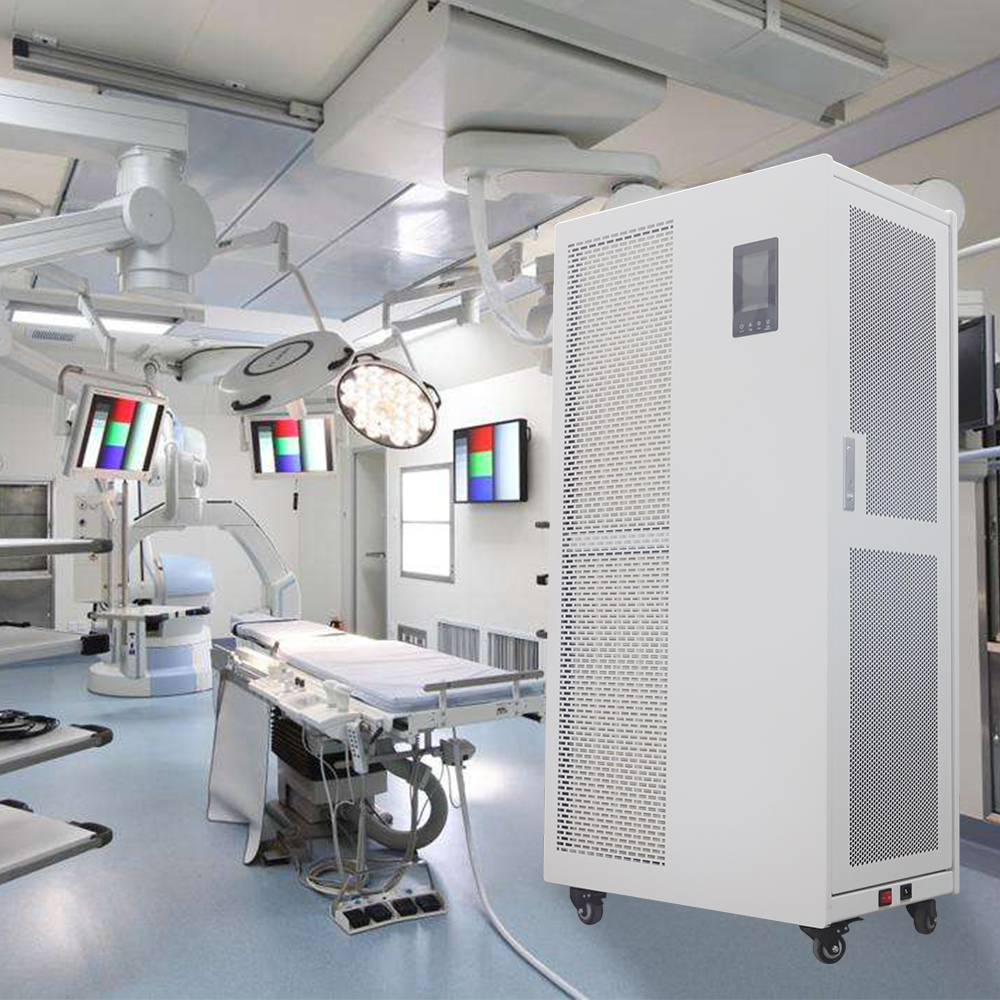
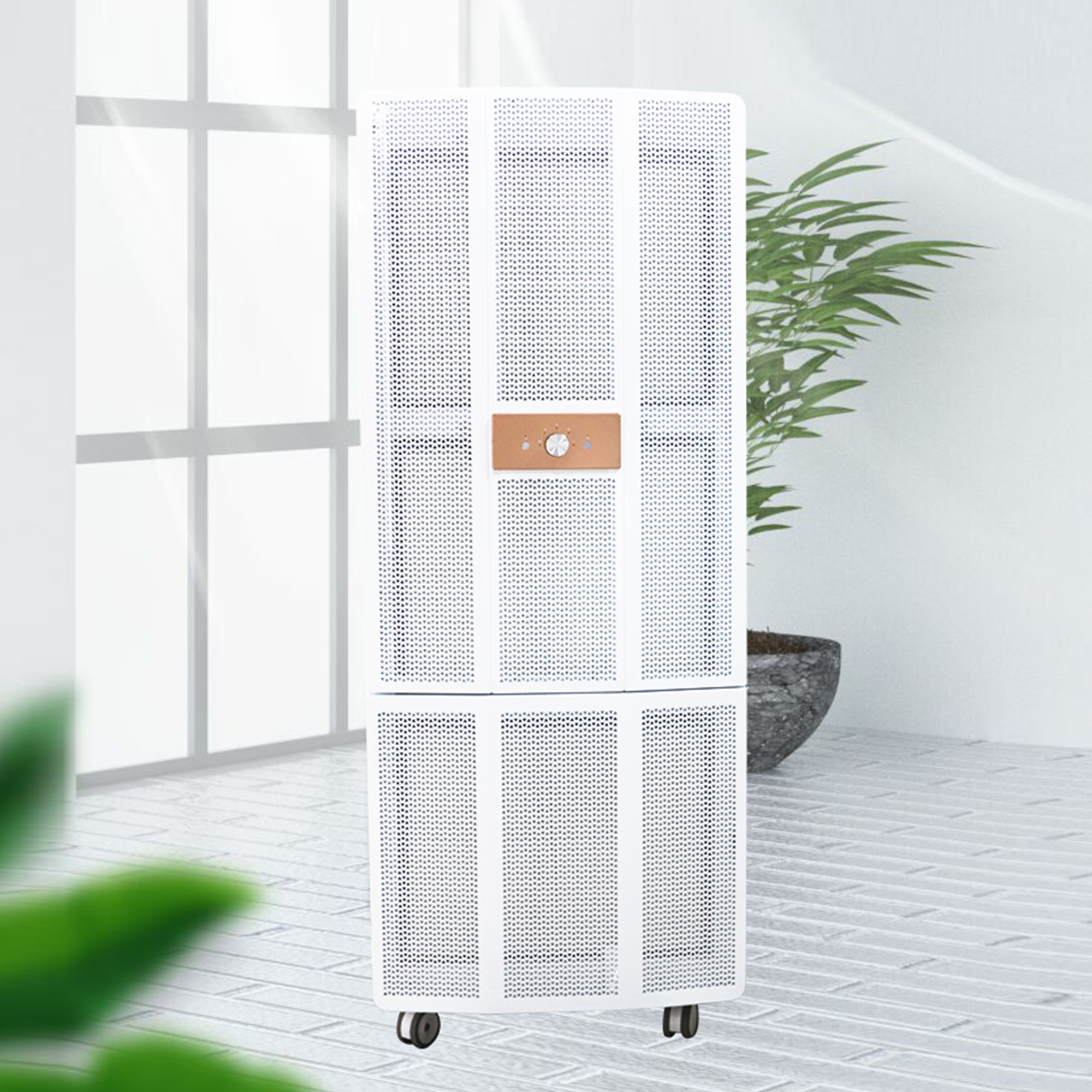
Medical air purifiers are widely used in hospitals, clinics, and home environments. They remove germs, dust, PM2.5, and odors from the air through high-efficiency filtration systems, significantly contributing to respiratory health.
However, the effectiveness of an air purifier depends not only on the device itself but also on the condition and replacement cycle of the filter. So, how often do medical air purifier filters need to be replaced? This article will analyze the factors affecting the replacement cycle, common filter types, and maintenance methods to help users use air purifiers scientifically.
1. Types of Medical Air Purifier Filters
Different types of air purifiers use different filters, and their replacement cycles will vary. Common filter types are as follows:
Pre-filter
Function: Intercepts large particles of dust, hair, and fiber impurities.
Features: Washable, with a longer lifespan, generally cleaned every 3–6 months.
HEPA filter (High Efficiency Particulate Air Filter)
Function: High-efficiency filtration of tiny particles (PM2.5), bacteria, pollen, etc.
Features: Not washable, usually replaced every 6–12 months, depending on the usage environment.
Activated Carbon Filter
Function: Adsorbs odors, formaldehyde, and harmful gases from the air.
Features: Limited adsorption capacity, generally needs to be replaced every 6–8 months.
Photocatalytic or Composite Filter
Function: Decomposes organic pollutants through photocatalysis and enhances sterilization capabilities.
Features: Some filters can be used for a long time, while others need to be replaced regularly according to the instructions, usually every 12 months.
2. Factors Affecting Filter Replacement Cycle
The filter replacement cycle is not a fixed number and is affected by various factors:
| Factor | Description | Recommended Action |
| Usage Environment | Heavily polluted air, high dust, or smoking environments can clog the filter faster | Shorten the replacement cycle accordingly |
| Usage Time | Long daily operation causes faster accumulation of pollutants in the filter | Adjust the replacement cycle based on daily usage |
| Filter Material | Different materials have different durability, e.g., HEPA and activated carbon | Follow the manufacturer’s recommended replacement period |
| Maintenance & Cleaning | Regular cleaning of pre-filters reduces the load on HEPA filters | Clean the pre-filter monthly to extend HEPA filter life |
| Air Purifier Model | High-efficiency devices have larger filter capacity and longer usable life | Follow the replacement schedule in the user manual |
3. Filter Replacement Signal
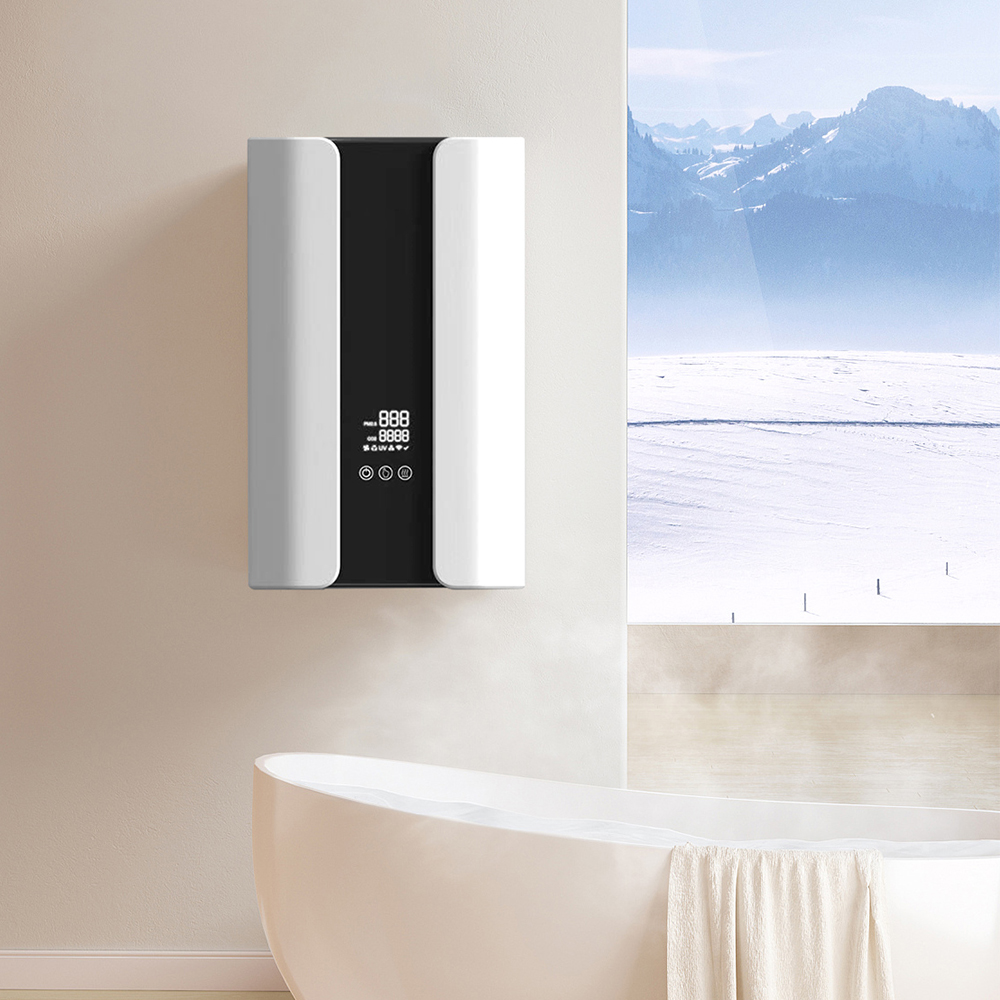
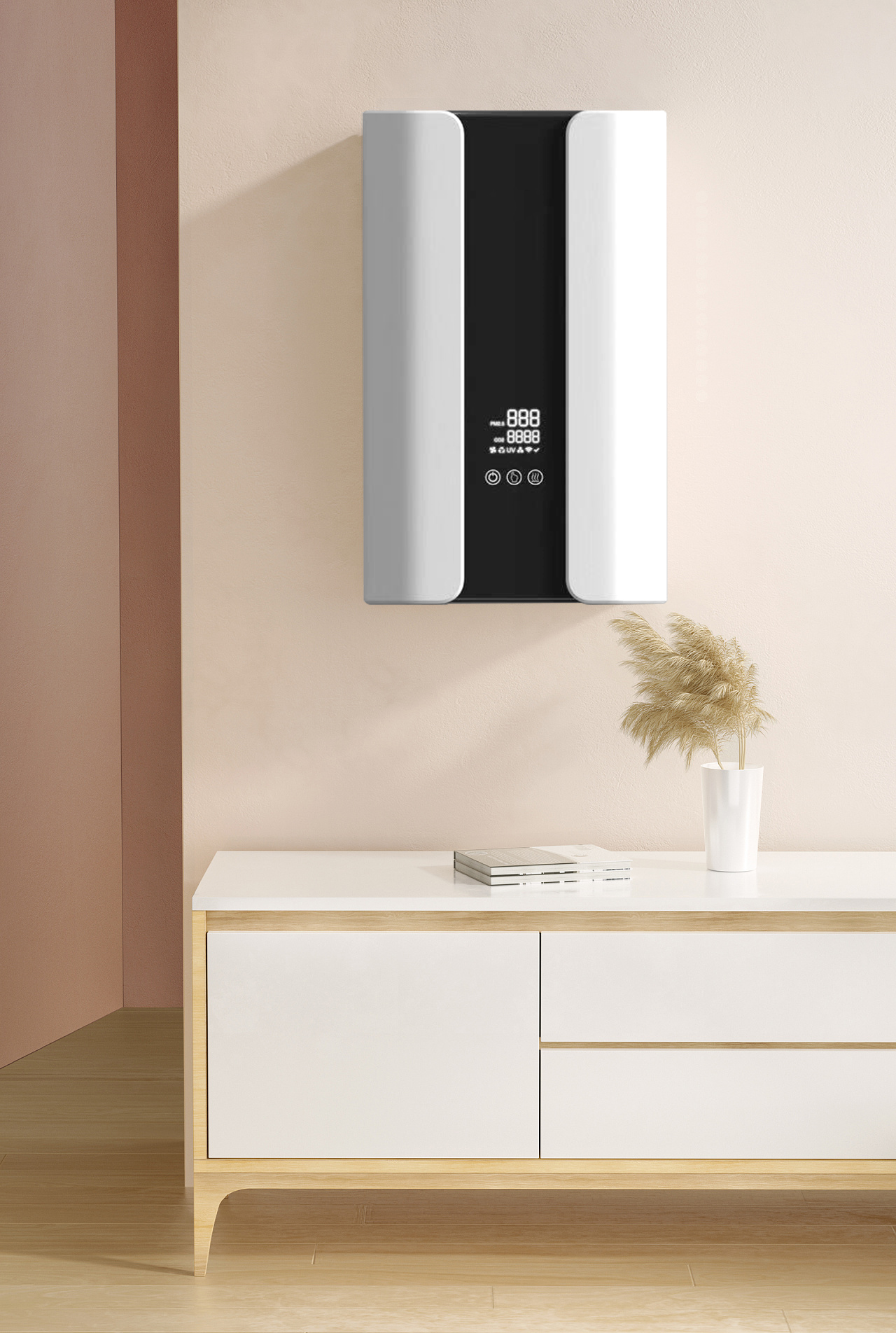
Many medical air purifiers are equipped with a filter life indicator, allowing users to determine whether replacement is needed through light or screen prompts. However, even without smart reminders, you can determine this using the following methods:
Significant decrease in airflow
When the filter is clogged, airflow is obstructed, and the air output is significantly reduced. Persistent Odor in the Air
After the activated carbon filter is saturated, indoor odors cannot be eliminated.
Decreased Filtration Effectiveness
This can be determined by using an air quality monitor or observing dust accumulation.
Equipment Alarm Notification
Some devices have a built-in filter replacement reminder function.
4. Correct Replacement and Maintenance Methods
Follow the Instruction Manual
The filter replacement method varies for each air purifier; be sure to follow the manufacturer's operating manual.
Regularly Clean the Pre-filter
Clean the pre-filter with a vacuum cleaner or water to maintain airflow and extend the life of the HEPA filter.
Pay Attention to Personal Protection
Dust or bacteria may be inhaled when removing the filter; it is recommended to wear a mask and gloves.
Replace Multiple Filters Simultaneously
For devices with composite filters, it is recommended to replace the relevant filters simultaneously in the cascading order to ensure optimal results.
Properly Dispose of Used Filters
HEPA filters and activated carbon filters should not be discarded indiscriminately; they should be disposed of according to local environmental regulations.
In actual use, adjustments should be made based on air quality, usage frequency, and equipment model. Regularly replacing filters not only ensures air purification effectiveness but also extends equipment life and protects the respiratory health of family members and healthcare workers.
For safety and efficiency, it is recommended that both home users and hospitals establish a filter replacement record to prevent expired filters from affecting air quality.