EN
EN
 English
 中文简体
中文简体
.png)
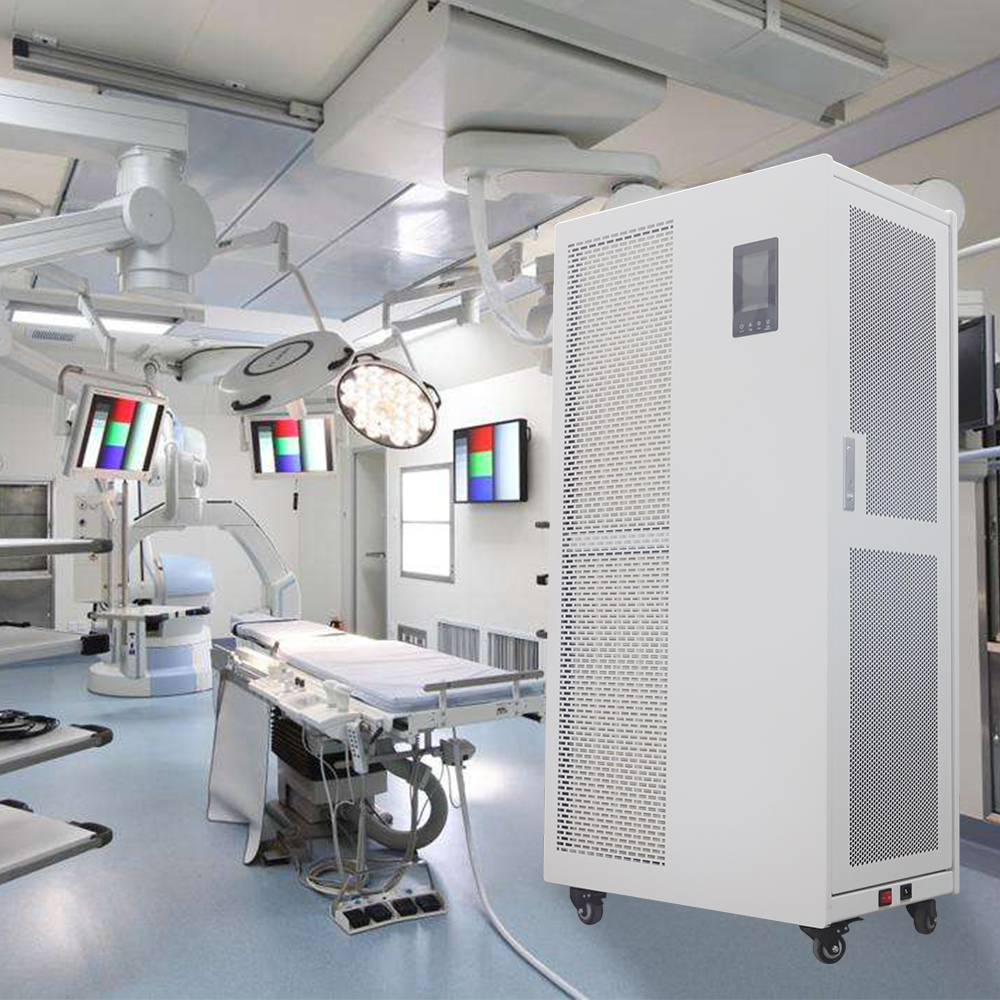
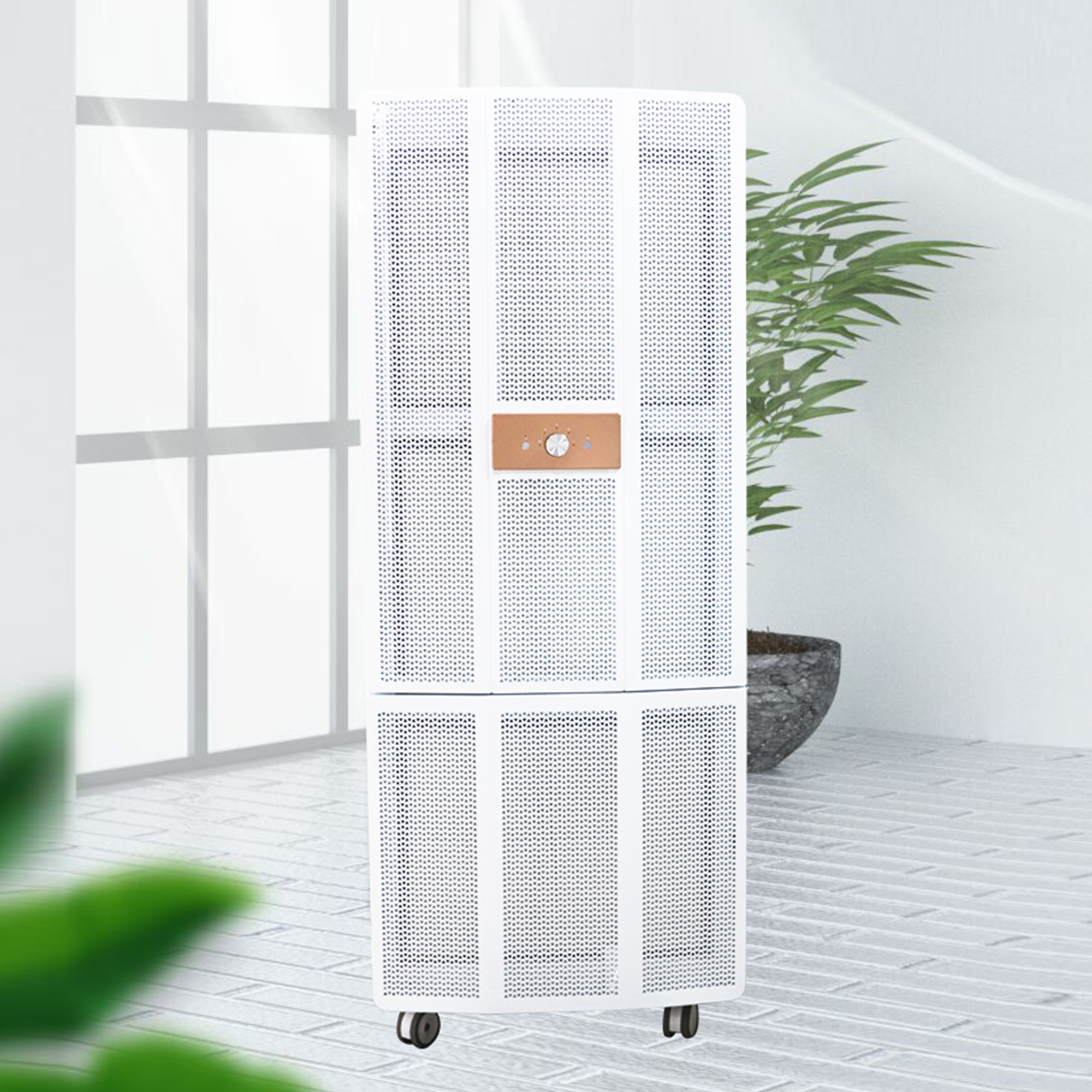
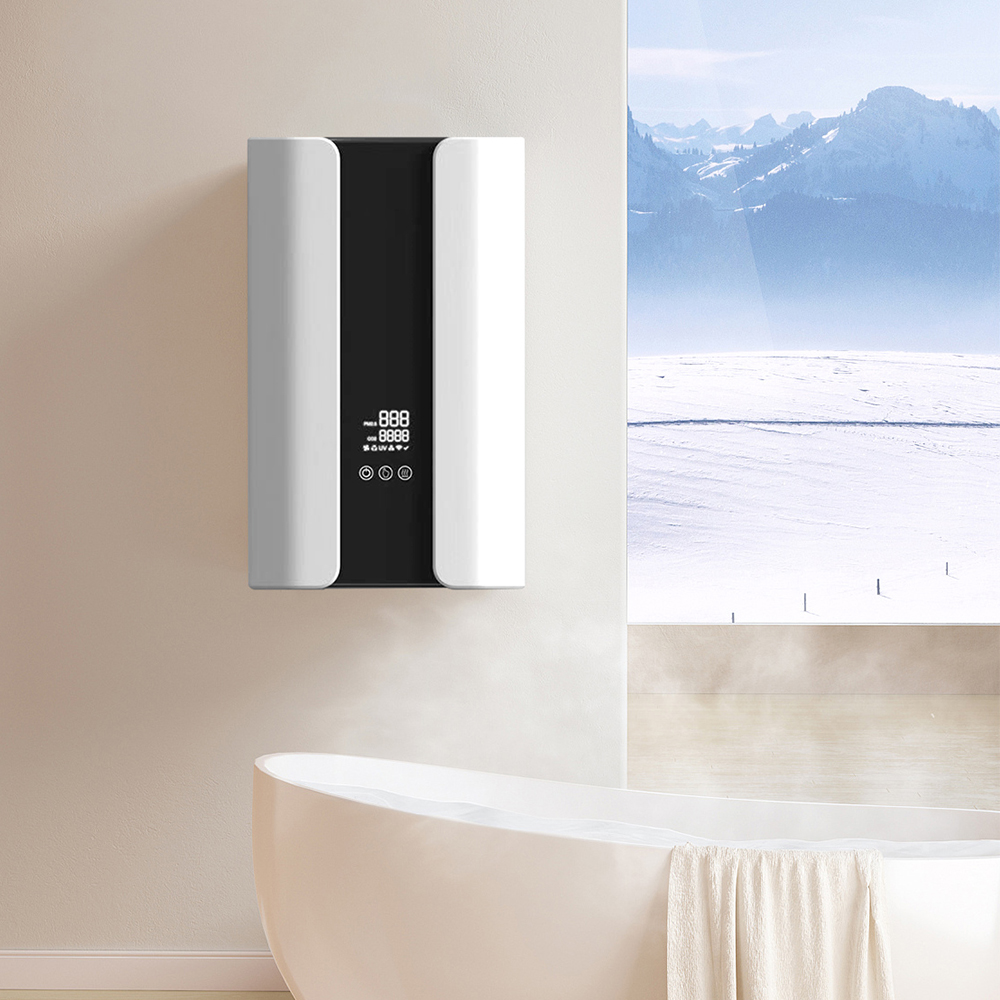
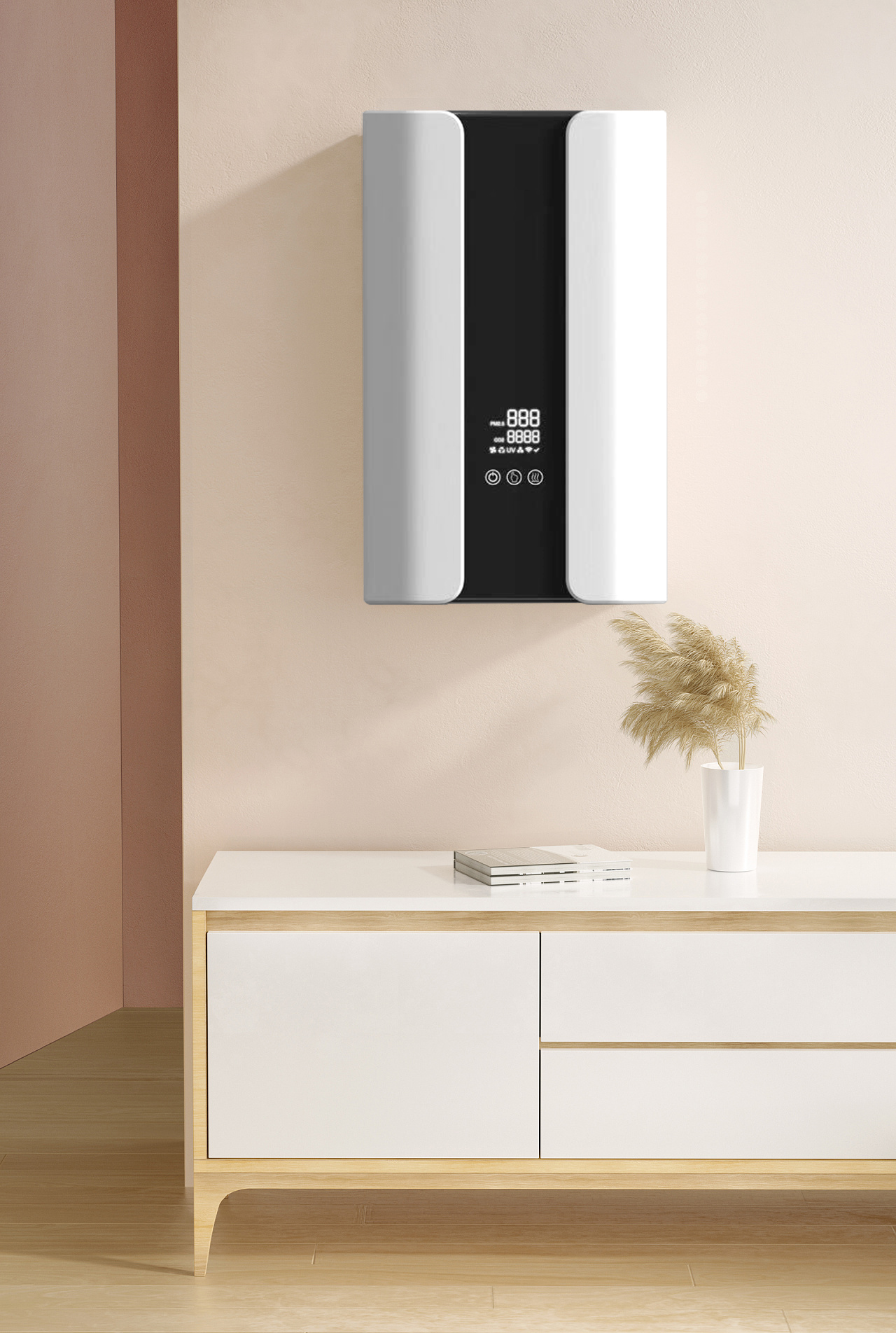
Medical air purifiers are becoming increasingly popular among allergy and asthma sufferers. These devices improve indoor air quality by removing harmful particles, allergens, and irritants that can trigger respiratory problems. But can medical air purifiers truly effectively control allergies and asthma? The answer is yes, and this article will provide you with a detailed understanding of the effects of medical air purifiers on allergies and asthma.
Content
- 1 How Do Medical Air Purifiers Help with Allergies and Asthma?
- 2 What Are the Benefits of Using a Medical Air Purifier for Allergies?
- 3 Are Medical Air Purifiers Effective in Managing Asthma?
- 4 What Features Should You Look for in a Medical Air Purifier?
- 5 Medical Air Purifiers for Allergy and Asthma Management: A Comparison
- 6 FAQ: Frequently Asked Questions
- 6.1 Q1. Can a medical air purifier completely eliminate asthma symptoms?
- 6.2 Q2. How often should I change the filters in my medical air purifier?
- 6.3 Q3. Can a medical air purifier help with pet allergies?
- 6.4 Q4. Is it safe to use a medical air purifier continuously?
- 6.5 Q5. Are medical air purifiers effective in larger spaces?
How Do Medical Air Purifiers Help with Allergies and Asthma?
Yes, medical air purifiers can be very effective for people suffering from allergies and asthma. They work by filtering out allergens such as dust, pollen, pet dander, and mold spores, as well as airborne irritants like smoke and volatile organic compounds (VOCs). These pollutants can trigger allergic reactions or asthma attacks, making it harder for individuals to breathe comfortably.
Medical air purifiers are specifically designed with HEPA (High-Efficiency Particulate Air) filters, activated carbon, and other advanced filtration systems that can trap tiny particles down to 0.3 microns. This level of filtration helps to remove the majority of the harmful particles in your indoor environment, creating cleaner air and reducing the risk of respiratory issues.
What Are the Benefits of Using a Medical Air Purifier for Allergies?
Using a medical air purifier offers numerous benefits for allergy sufferers. Below are some of the key advantages:
1. Reduction of Allergens in the Air
Medical air purifiers are excellent at reducing allergens such as pollen, dust mites, and mold spores. These allergens are common triggers for allergic reactions, especially during seasonal changes or in poorly ventilated areas. By removing these particles from the air, an air purifier can provide significant relief from sneezing, itching, and congestion.
2. Improved Indoor Air Quality
Allergens aren’t the only particles that can affect your health. Volatile organic compounds (VOCs), smoke, and pollutants from cooking or cleaning products can also irritate your respiratory system. A medical air purifier helps improve indoor air quality by removing these harmful substances, creating a cleaner and safer living environment.
3. Better Sleep Quality
For allergy and asthma sufferers, poor air quality can significantly disrupt sleep. Dust, pollen, and pet dander can cause coughing and difficulty breathing, leading to restless nights. By using a medical air purifier, you can ensure that the air in your bedroom is clean and free of irritants, helping you sleep more soundly and wake up feeling refreshed.
4. Prevention of Asthma Attacks
Asthma is a condition that is greatly affected by air quality. Pollutants such as dust, smoke, and pet dander can trigger asthma attacks, causing symptoms like wheezing, shortness of breath, and chest tightness. A medical air purifier can filter out these triggers, helping to prevent asthma attacks and improve overall lung function.
Are Medical Air Purifiers Effective in Managing Asthma?
Medical air purifiers are particularly beneficial for individuals with asthma. By removing airborne allergens and irritants, they can reduce the frequency of asthma attacks and improve long-term respiratory health. Here’s how they help:
1. Reducing Exposure to Asthma Triggers
Common asthma triggers include pollen, mold spores, pet dander, and dust mites. Medical air purifiers equipped with HEPA filters are designed to capture these particles and prevent them from circulating in your living space. This reduction in exposure to triggers can help keep asthma symptoms at bay.
2. Improving Respiratory Health
By cleaning the air in your home, a medical air purifier can reduce the overall burden on your respiratory system. Cleaner air means less irritation in your airways, which can help alleviate asthma symptoms such as coughing, wheezing, and difficulty breathing. Many people with asthma find that using an air purifier leads to fewer emergency visits or reliance on medication.
3. Creating a Safer Environment for Children with Asthma
Asthma is particularly common in children, and exposure to allergens and pollutants can exacerbate their symptoms. A medical air purifier can create a safer, cleaner environment for children with asthma by removing harmful particles from the air. This is especially important in areas where children spend a lot of time, such as their bedrooms or play areas.
What Features Should You Look for in a Medical Air Purifier?
When choosing a medical air purifier for allergies and asthma, it’s important to look for certain features to ensure effectiveness. Here are some key features to consider:
1. HEPA Filters
HEPA filters are essential for removing fine particles from the air. These filters can trap particles as small as 0.3 microns, making them highly effective in capturing allergens like pollen, dust, and pet dander.
2. Activated Carbon Filters
In addition to HEPA filters, many medical air purifiers come with activated carbon filters. These filters help remove odors, smoke, and VOCs from the air, further improving air quality and preventing asthma flare-ups.
3. CADR (Clean Air Delivery Rate)
The CADR rating is a measure of how quickly an air purifier can clean the air in a given space. Higher CADR ratings indicate faster and more efficient air purification. Be sure to select an air purifier with a CADR rating appropriate for the size of the room where it will be used.
4. Noise Level
Since many medical air purifiers run continuously, it’s important to choose one that operates quietly, especially if it will be used in a bedroom while you sleep. Look for units with low noise levels to ensure they won’t disturb your rest.
Medical Air Purifiers for Allergy and Asthma Management: A Comparison
| Feature | Importance | Example |
| HEPA Filter | Captures fine particles like dust, pollen, and pet dander | High efficiency in reducing allergens |
| Activated Carbon Filter | Removes odors, smoke, and VOCs | Improves air quality and prevents asthma triggers |
| CADR | Indicates how fast and efficiently the air is cleaned | A higher CADR ensures better air purification |
| Noise Level | Minimizes disturbances during sleep or work | Quiet operation for comfort |
FAQ: Frequently Asked Questions
Q1. Can a medical air purifier completely eliminate asthma symptoms?
While a medical air purifier can significantly reduce asthma triggers, it’s not a cure. It can help manage asthma symptoms by improving air quality and reducing exposure to allergens, but medication and other treatments may still be necessary.
Q2. How often should I change the filters in my medical air purifier?
It’s recommended to change the filters in your air purifier every 6 to 12 months, depending on the manufacturer’s instructions. However, if the air purifier is in use heavily or in a high-pollution area, you may need to replace the filters more frequently.
Q3. Can a medical air purifier help with pet allergies?
Yes, a medical air purifier with HEPA and activated carbon filters can help remove pet dander, which is a common allergen for many people. This can reduce allergy symptoms and improve air quality in homes with pets.
Q4. Is it safe to use a medical air purifier continuously?
Yes, most medical air purifiers are designed for continuous use. However, it’s important to follow the manufacturer’s guidelines regarding maintenance, such as regular filter changes, to ensure the purifier continues to work effectively.
Q5. Are medical air purifiers effective in larger spaces?
Medical air purifiers are effective in large spaces as long as they are sized appropriately for the room. Be sure to select a model with a higher CADR rating for larger areas to ensure it can purify the air effectively.
Medical air purifiers can be an excellent tool for managing allergies and asthma by improving air quality and reducing exposure to harmful allergens and irritants. With the right features such as HEPA and activated carbon filters, these devices can help create a cleaner, healthier living environment. If you suffer from allergies or asthma, investing in a high-quality medical air purifier can make a significant difference in your daily comfort and health.