EN
EN
 English
 中文简体
中文简体
.png)
Most air purifier mistakes happen before the box is opened: the unit is too small for the room, the filter is not true HEPA, or the replacement cartridges cost more than the machine within two years. The correct order of decisions is always the same. First, calculate the Clean Air Delivery Rate (CADR) your room needs. Second, make sure the filter grade matches the pollutant you care about. Third, compare noise, energy draw, and filter replacement costs at the speed you will actually run the unit. If a model passes those three checks, extras such as apps, sensors, and indicator lights are only bonuses.
Content
- 1 1. Start with the room size and CADR
- 2 2. Choose the filter that matches your pollutant
- 3 3. Compare noise, energy draw, and total running costs
- 4 4. Anatomy of an air purifier: what you are paying for
- 5 5. Features worth paying for, and the ones you can skip
- 6 Air purifier FAQ: quick answers before you buy
1. Start with the room size and CADR
CADR is the only standardized performance number that lets you compare different models fairly. Published by AHAM, it states how many cubic feet per minute (cfm) of clean air a unit delivers against smoke, dust, and pollen. Markets that use metric units report m3/h; 1 cfm equals about 1.7 m3/h. The most practical rule of thumb is to pick a CADR of at least two-thirds of your floor area in square feet: a 300 sq ft living room needs roughly 200 cfm, while a 500 sq ft open plan needs about 333 cfm. If you have allergies, asthma, or pets, size up one step instead of down.
Why the two-thirds rule works: CADR is also the basis of air changes per hour (ACH). One ACH means the purifier cleaned a volume equal to the room's volume once in an hour, and indoor air guidance generally recommends 4 to 5 ACH for allergy relief. In a typical 300 sq ft bedroom with 8 ft ceilings, a 200 cfm unit delivers about 5 ACH, which is the minimum you want for symptom relief.
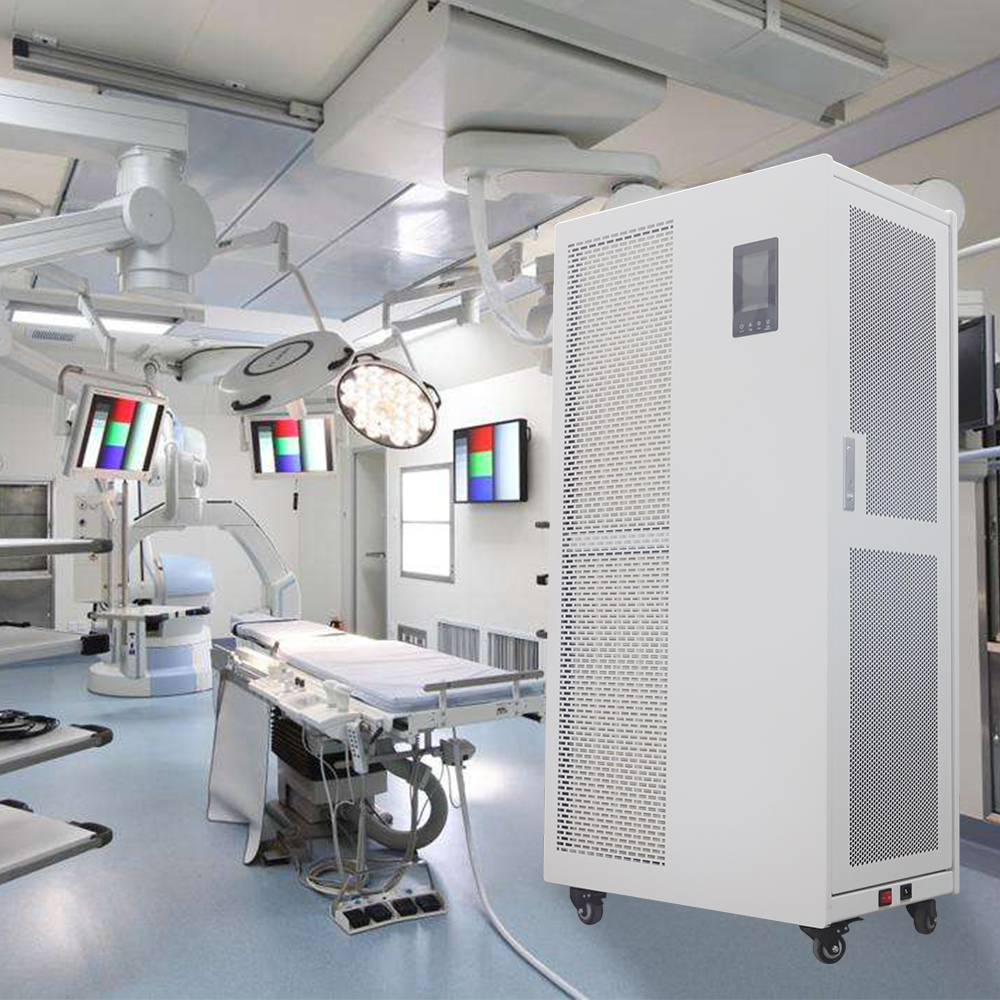
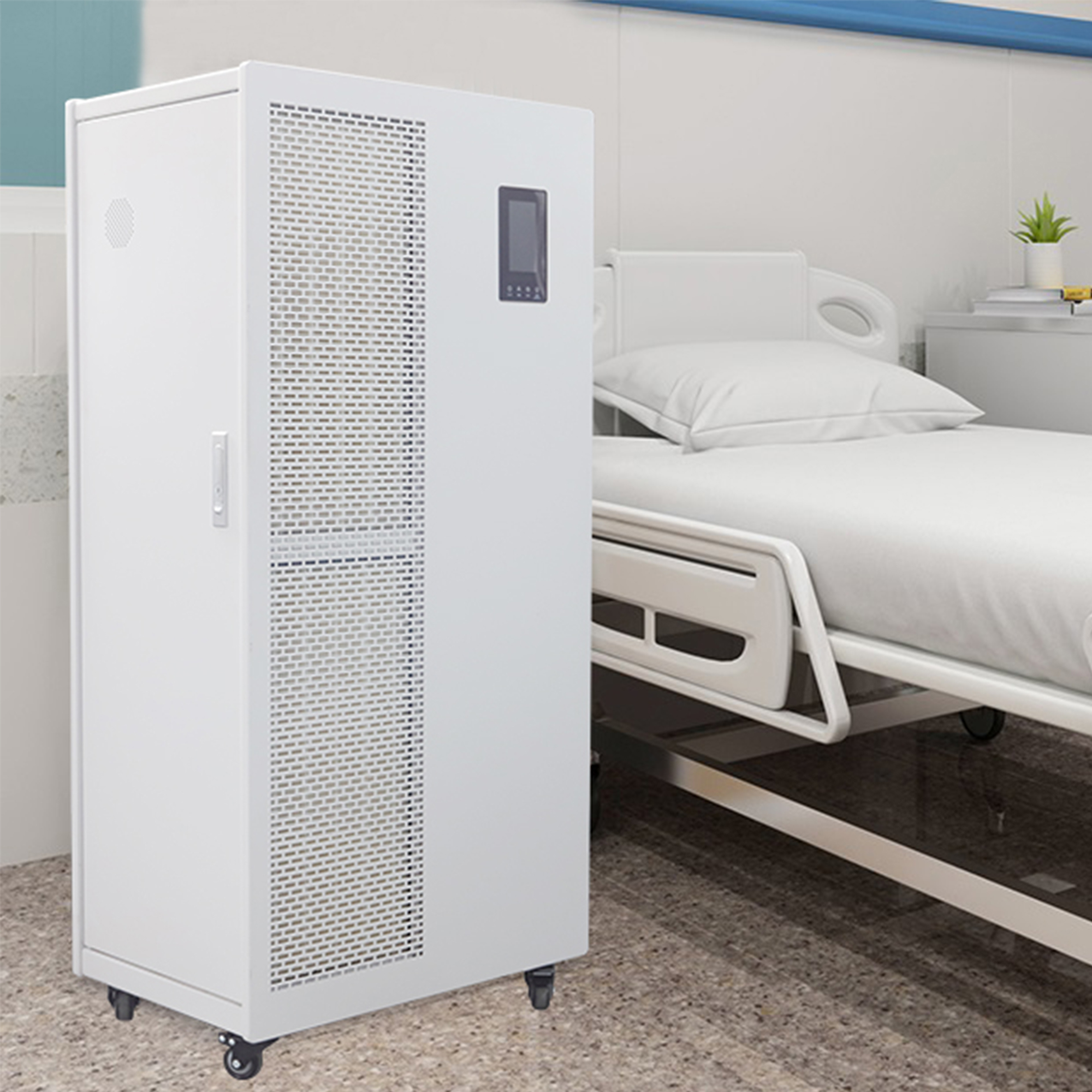
Open kitchens, combined living-dining areas, and clinic waiting rooms rarely fit one home-size unit. At this point, look at high-CADR purifiers built for large rooms rather than compact home models. If your space is 800 sq ft or more, a medical-grade 1200 CADR air purifier can still deliver useful air changes. Two smaller units at opposite ends of the room often work better than one oversized machine that has to push air across the whole space.
 Custom Medical grade new model 1200 CADR Air purifier YY-Y-1200A Suppliers, OEMNingbo Yinyu Purification Technology Co., Ltd is custom Medical grade new model 1200 CADR Air purifier YY-Y-1200A suppliers and OEM Medi...View Product →
2. Choose the filter that matches your pollutant
The filter does the cleaning, so its grade matters more than the brand name on the front of the unit. Under the EN 1822 standard, true HEPA is graded by efficiency at the most penetrating particle size (MPPS, roughly 0.1 to 0.3 microns). H13 captures at least 99.95% of those particles, and H14 captures at least 99.995%. Beware of vague labels like "HEPA-type" or a bare "99% efficiency" claim; they usually signal a media that lets fine particles through.
| Grade | Minimum efficiency | Typical application |
|---|---|---|
| H11 | at least 95% | Entry-level household purifiers |
| H12 | at least 99.5% | Mid-range household purifiers |
| H13 | at least 99.95% | Premium household and medical-grade units |
| H14 | at least 99.995% | Medical, cleanroom, and high-risk environments |
Most homes are well served by H13; medical and cleanroom environments step up to H14. Effective purifiers combine layers: a washable prefilter catches dust and pet hair, the HEPA layer stops particles, and an activated carbon layer adsorbs volatile organic compounds (VOCs), smoke, and cooking odors. The carbon layer is where cheap units cut corners; a thin scented sheet does almost nothing. Compare the carbon weight in grams, not the length of the marketing description.
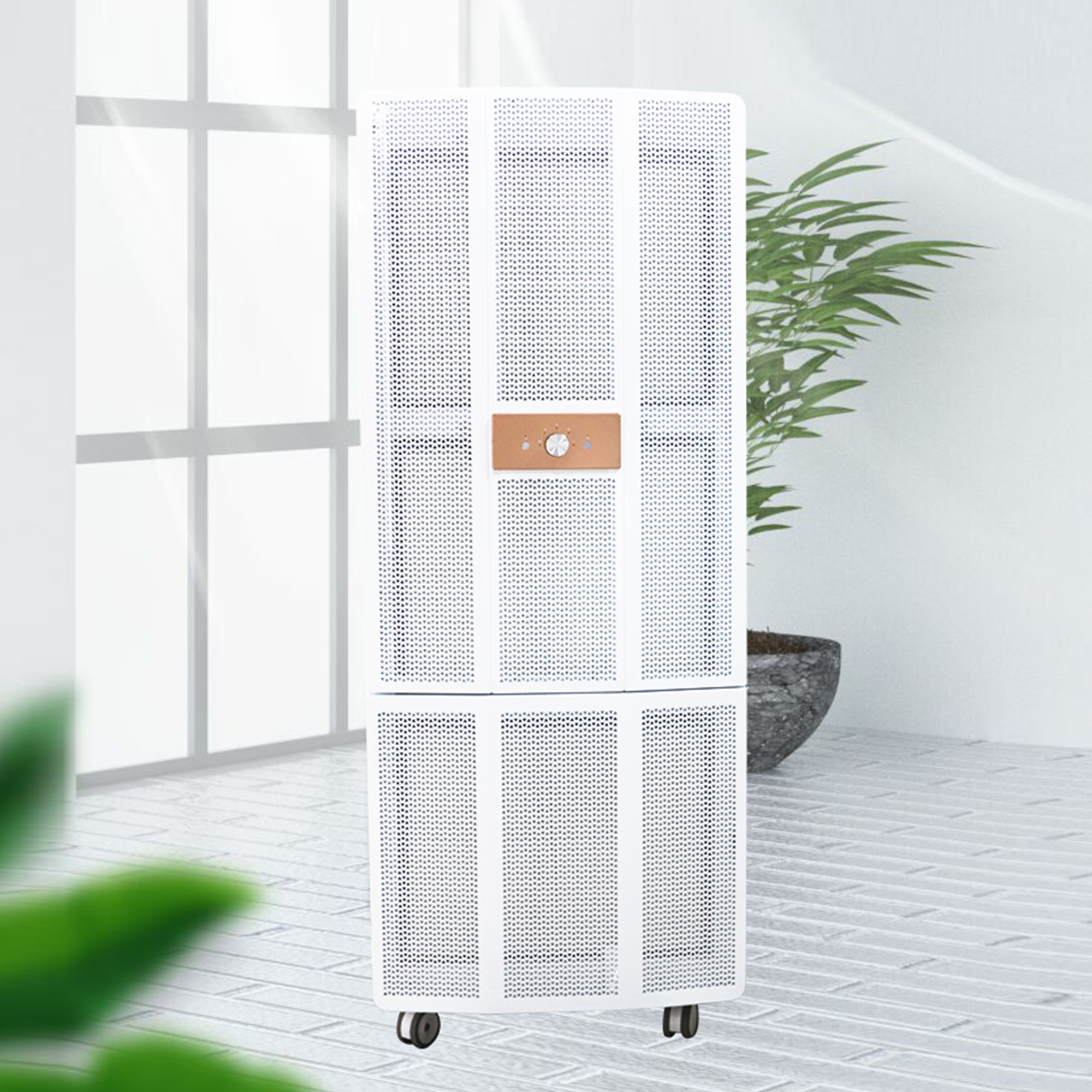
Replacement filters are the cost you will feel most. Before buying, confirm that genuine filters are available at a sensible price and that the unit accepts standard true HEPA filter replacements. If a brand pushes a "permanent washable filter," remember that no wash restores a loaded fine filter to its original efficiency. For buyers willing to bypass retail markup, a factory-grade replacement HEPA H13 filter delivers the same media quality at a lower price.
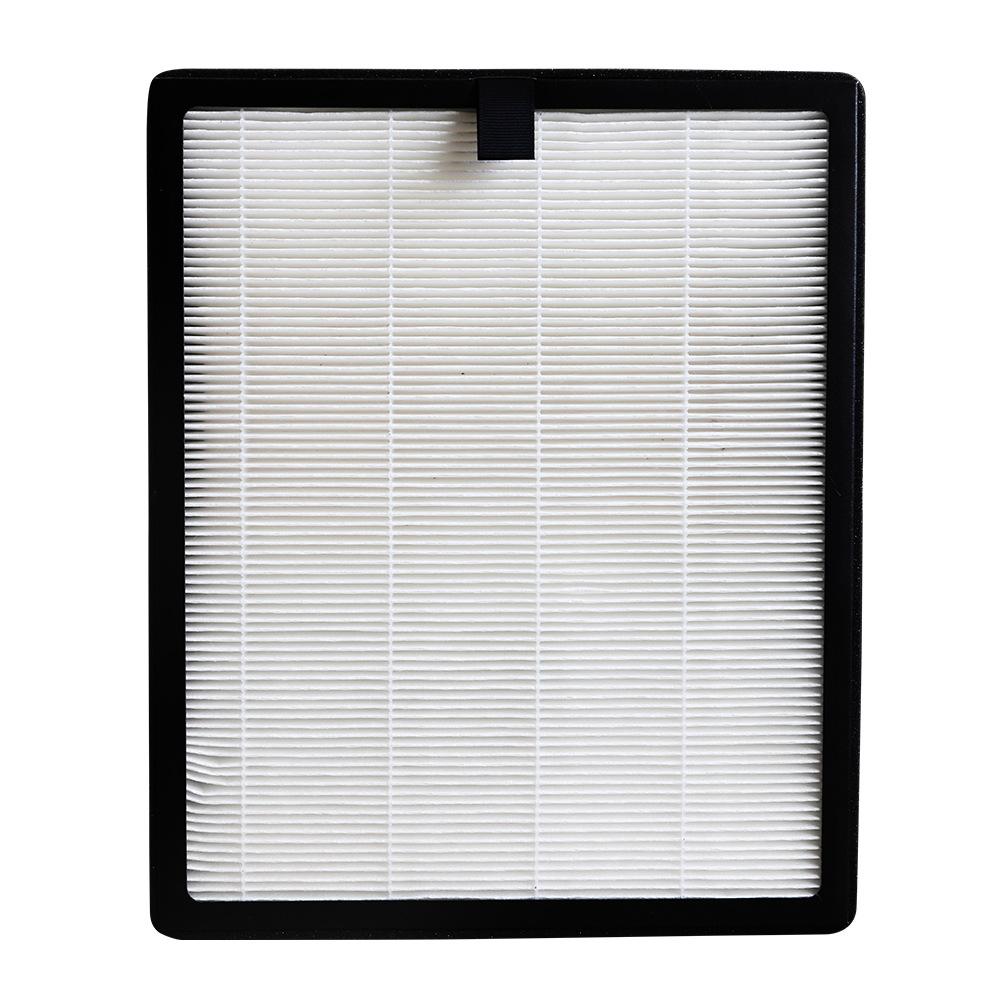 Custom HEPA H13 Replacement Filter Purification Effect Air Clean Filter Air PuriNingbo Yinyu Purification Technology Co., Ltd is custom HEPA H13 Replacement Filter Purification Effect Air Clean Filter Air Purifier Hep...View Product →
3. Compare noise, energy draw, and total running costs
Rated CADR is measured at maximum fan speed, but you will not run the unit on maximum in a bedroom. The speed you can tolerate day to day decides real performance. A typical quiet home purifier sits around 25 to 30 dB on low, reaches the high 30s on medium, and climbs to 45 to 55 dB on high or turbo.
Typical noise levels by fan speed
Night mode is usually the low-speed setting, near 25 dB, which is below normal conversation (about 60 dB) and close to a quiet library. If the bedroom is your main room, check the dB rating on low first, then check the CADR at that same speed; a unit rated only at max speed may not tell you what it delivers overnight.
What a purifier really costs per year
Energy use is modest but not free. A 40 W unit running continuously at medium speed uses about 350 kWh per year, which translates to roughly USD 20 to 60 depending on your electricity tariff. Filter replacement is usually the larger annual cost, typically USD 30 to 120 per set, replaced once or twice a year. Add the purchase price, two years of filters, and two years of electricity, and compare the total across models; that total, not the sticker price, decides which option is genuinely cheap.
4. Anatomy of an air purifier: what you are paying for
The four components in the diagram below are the entire working core of an air purifier. The prefilter extends filter life by catching the largest particles first, the HEPA layer removes the fine ones, the activated carbon layer deals with gases and odors, and the fan determines how much air actually moves through the media. Strip away the casing, lights, and connectivity, and these four parts are what separate a unit that cleans well for years from one that disappoints after a season.
Build quality shows up in details that are easy to overlook: sealed filter compartments so air cannot bypass the media, consistent fan performance over time, and durable materials in humid conditions. Buyers choosing units for clinics, nurseries, or continuous overnight operation should verify the manufacturer's quality system; an ISO-certified manufacturing line and factory testing are reasonable evidence that the internals are built to a standard rather than a price.
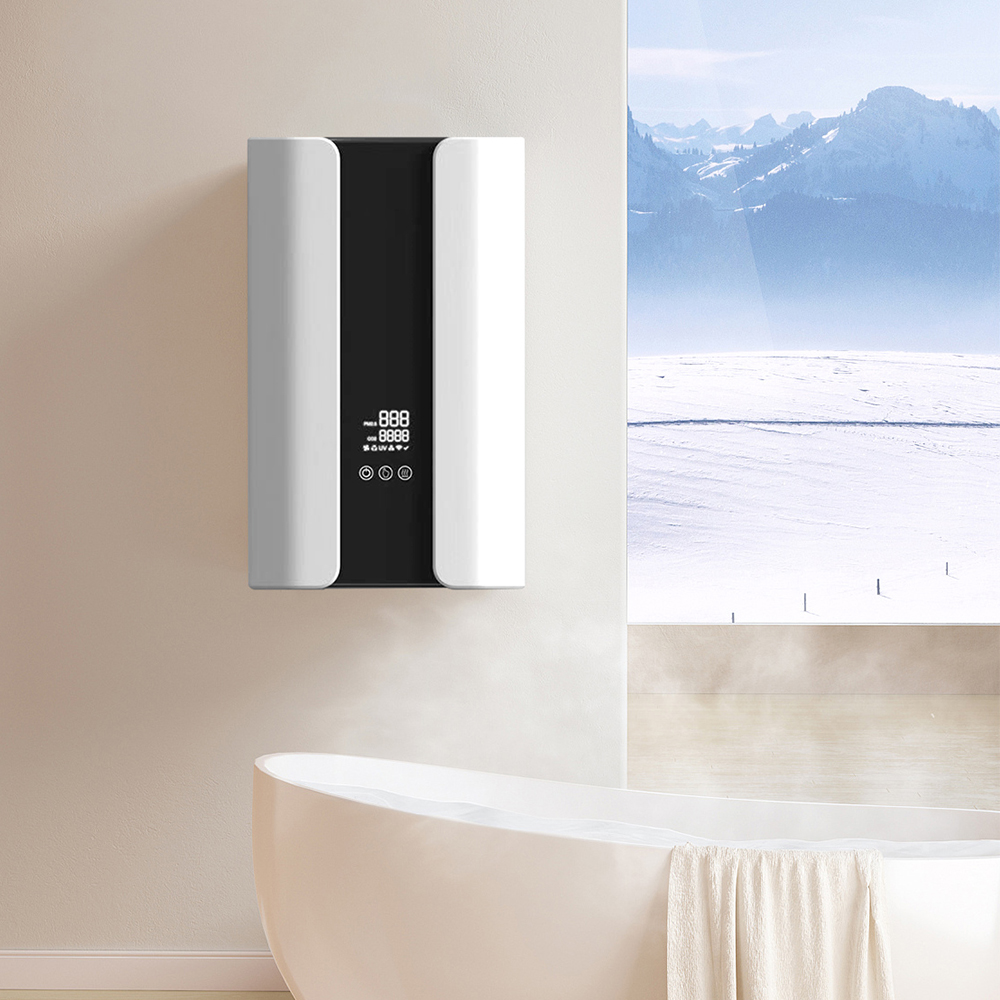
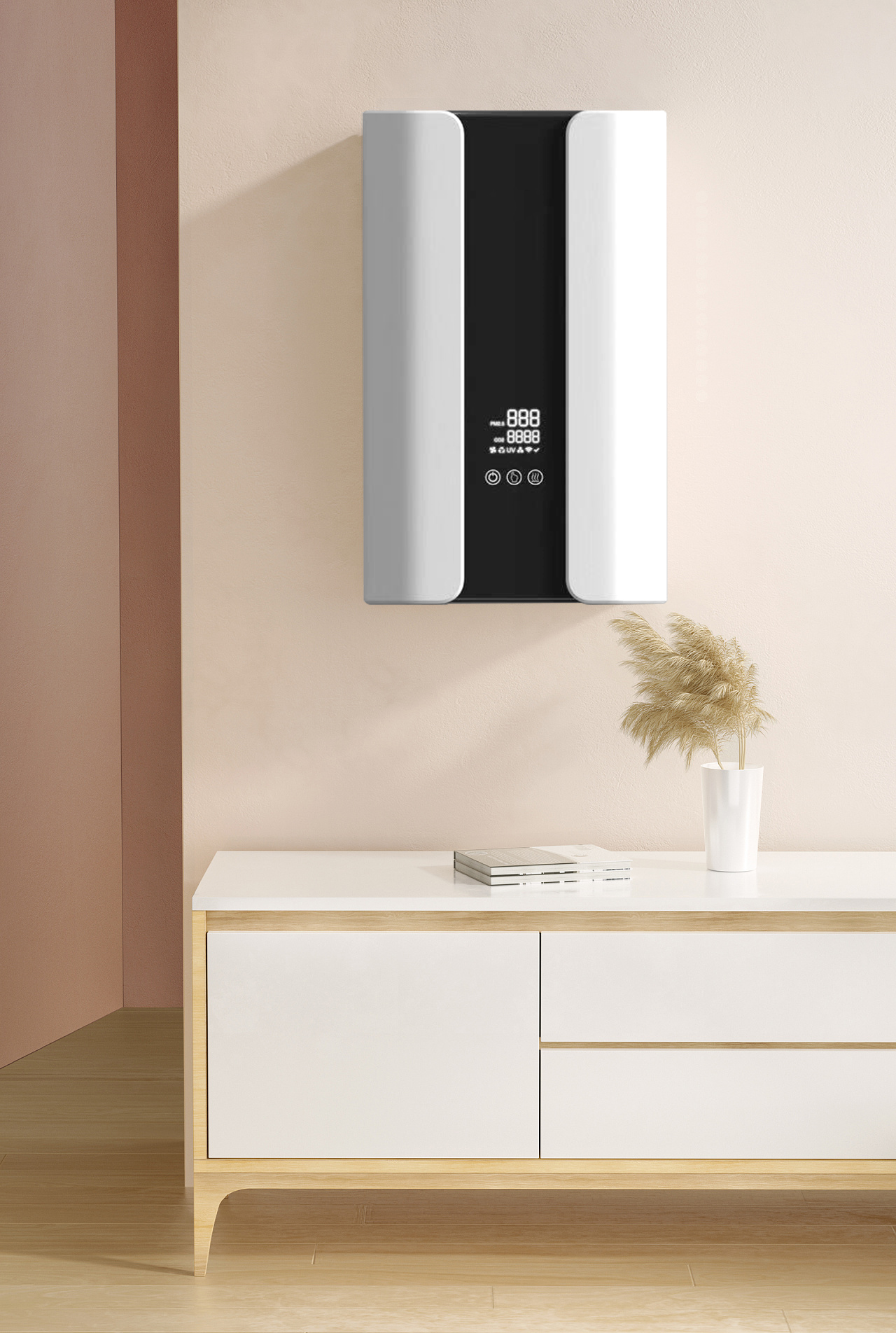
Physical size and installation also shape the decision. In small apartments or bedrooms where floor space is precious, a wall-mounted 300 CADR air purifier keeps the floor clear while still covering a standard room. A floor unit with wheels makes more sense if you plan to move it between rooms.
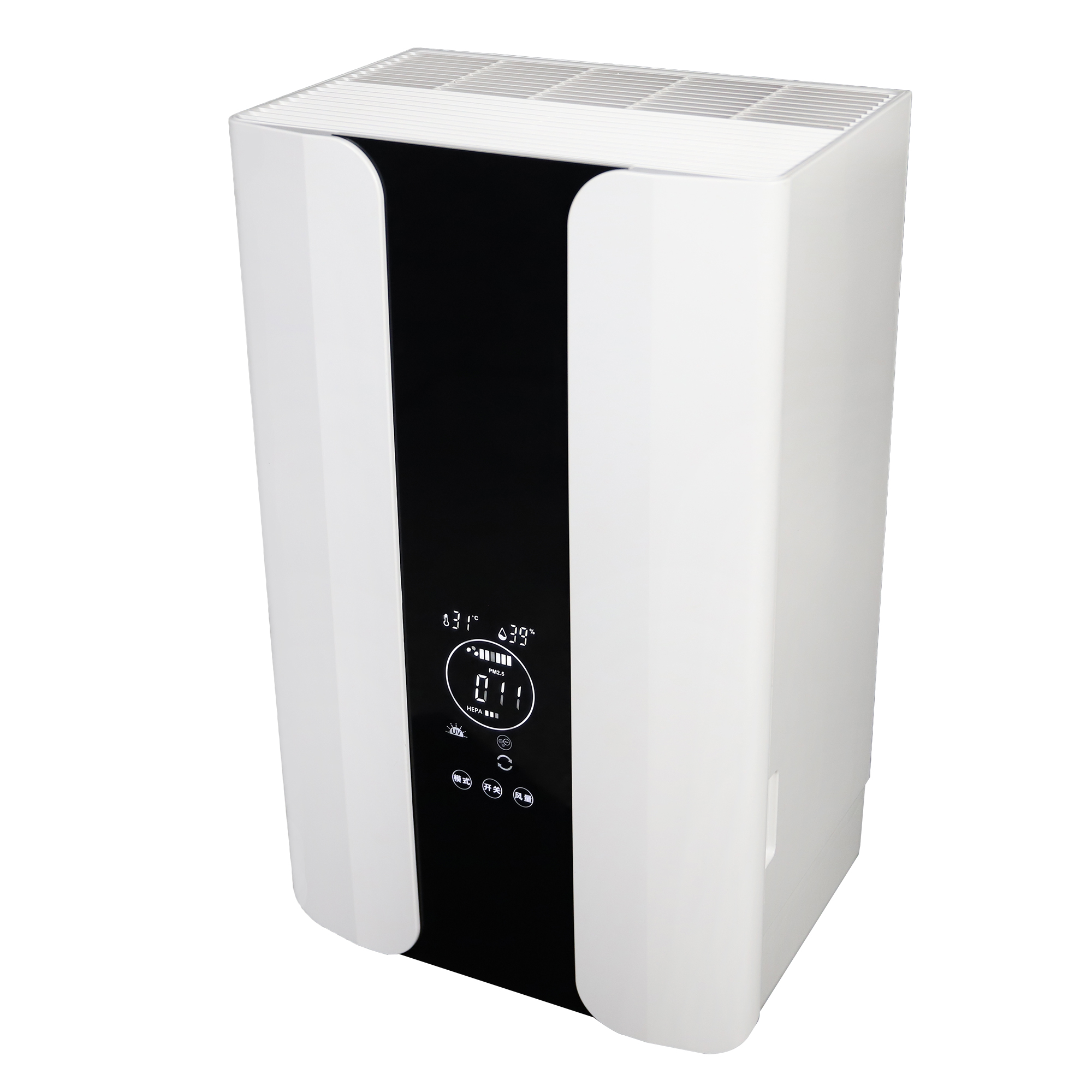 Custom Wall mounted 300 CADR air fresh ventilation device medical air purifier Ningbo Yinyu Purification Technology Co., Ltd is custom Wall mounted 300 CADR air fresh ventilation device medical air purifier YY-B-300...View Product →
5. Features worth paying for, and the ones you can skip
Once CADR, filter grade, and running costs are settled, the remaining features are about convenience. A few genuinely help you run the unit correctly:
- Air quality sensor with auto mode adjusts speed as pollution changes; useful for set-and-forget use.
- Filter service indicator tells you when the media is due for replacement, which keeps real-world performance honest.
- Remote or app control helps when the unit sits out of reach in a large room.
- Ozone-free confirmation matters if the unit adds UV, ionizer, or plasma features; look for explicit ozone-free claims.
- Voice assistants and decorative covers add cost, not cleaning; skip them.
Air purifier FAQ: quick answers before you buy
Wash the prefilter every two to four weeks. Replace the HEPA every 6 to 12 months depending on usage and air quality, and replace the carbon earlier if you cook or smoke frequently.
Use the two-thirds rule: take the room area in square feet and multiply by 0.67. A 200 sq ft bedroom needs roughly 130 to 200 cfm.
Yes. HEPA captures smoke particles, and activated carbon adsorbs odors. The deeper the carbon layer, the better the result.
Not necessarily. Compare the dB rating at each speed; a larger unit on low is often quieter than a small unit forced to run on high.
Yes. Air purifiers work best running 24/7, and auto mode reduces energy use when the air is already clean.
Usually not; a true HEPA H13 filter does the heavy lifting. If the unit includes them, confirm it is ozone-free.