EN
EN
 English
 中文简体
中文简体
.png)
When you flip over an air purifier box and see the AHAM Verifide seal, that is not a decorative sticker. It means the Clean Air Delivery Rate (CADR) figures printed beside it are backed by independent laboratory tests. This is the first thing you should check before buying, because it lets you compare models on a level playing field.
The seal is especially important when you are choosing a product for a hospital, clinic, or large home space. It removes guesswork about actual performance. We will cover what AHAM certification really means, how to apply the 2/3 Rule, what CADR numbers tell you, and the other factors that matter beyond the sticker.
Content
- 1 What AHAM Certification Actually Means
- 2 How to Read CADR Numbers and the 2/3 Rule
- 3 HEPA Grades and Their Role in CADR Performance
- 4 From Certification to Real-World Performance: What to Check Before Buying
- 5 Why a Trusted Manufacturing Partner Matters for Certified Air Cleaners
- 6 Frequently Asked Questions about AHAM Certified Air Cleaners
- 6.1 Q1: What does AHAM certified mean?
- 6.2 Q2: Is AHAM certification the same as CARB certification?
- 6.3 Q3: How often should I replace HEPA filters in a certified air cleaner?
- 6.4 Q4: What CADR do I need for a 300 sq ft room?
- 6.5 Q5: Are AHAM certified air cleaners safe for medical environments?
- 6.6 Q6: Does a higher CADR always mean a better air cleaner?
What AHAM Certification Actually Means
AHAM stands for the Association of Home Appliance Manufacturers. Through its Verifide program, participating manufacturers send portable room air cleaners to accredited labs. Those labs measure how quickly the unit removes three particle types: tobacco smoke, dust, and pollen. The results are published as CADR numbers in cubic feet per minute.
An AHAM certified air cleaner must meet the program’s testing protocols. This is not a self-declared performance spec; it is a third-party measurement. As a result, when you see two models with different CADR ratings, you can trust the comparison without wondering if one manufacturer used a more favorable test method.
The program also covers replacement filters. AHAM Verifide replacement filters are tested to confirm they match the original filter’s performance. This matters because a certified air cleaner can lose its effectiveness if the filter is not genuine.
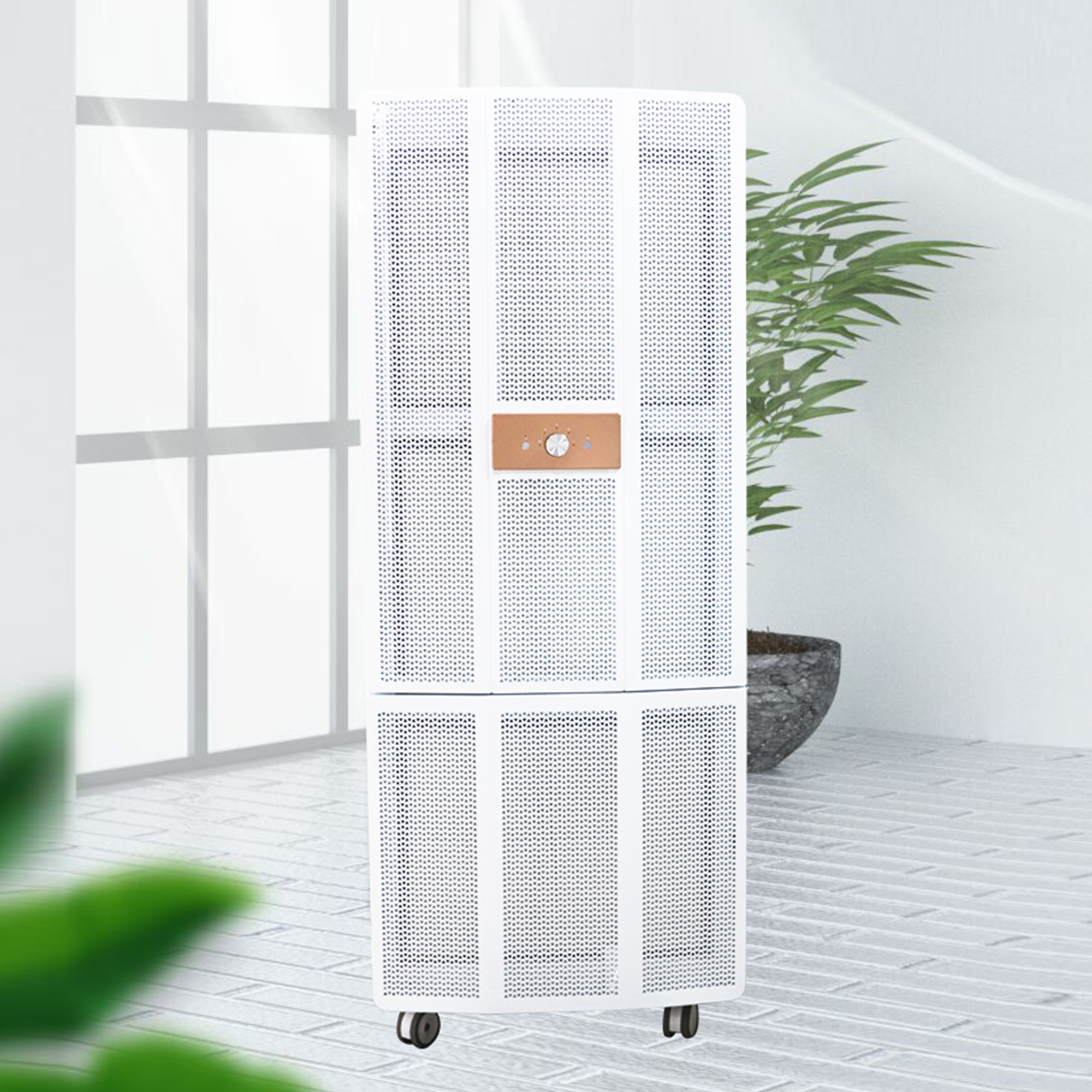
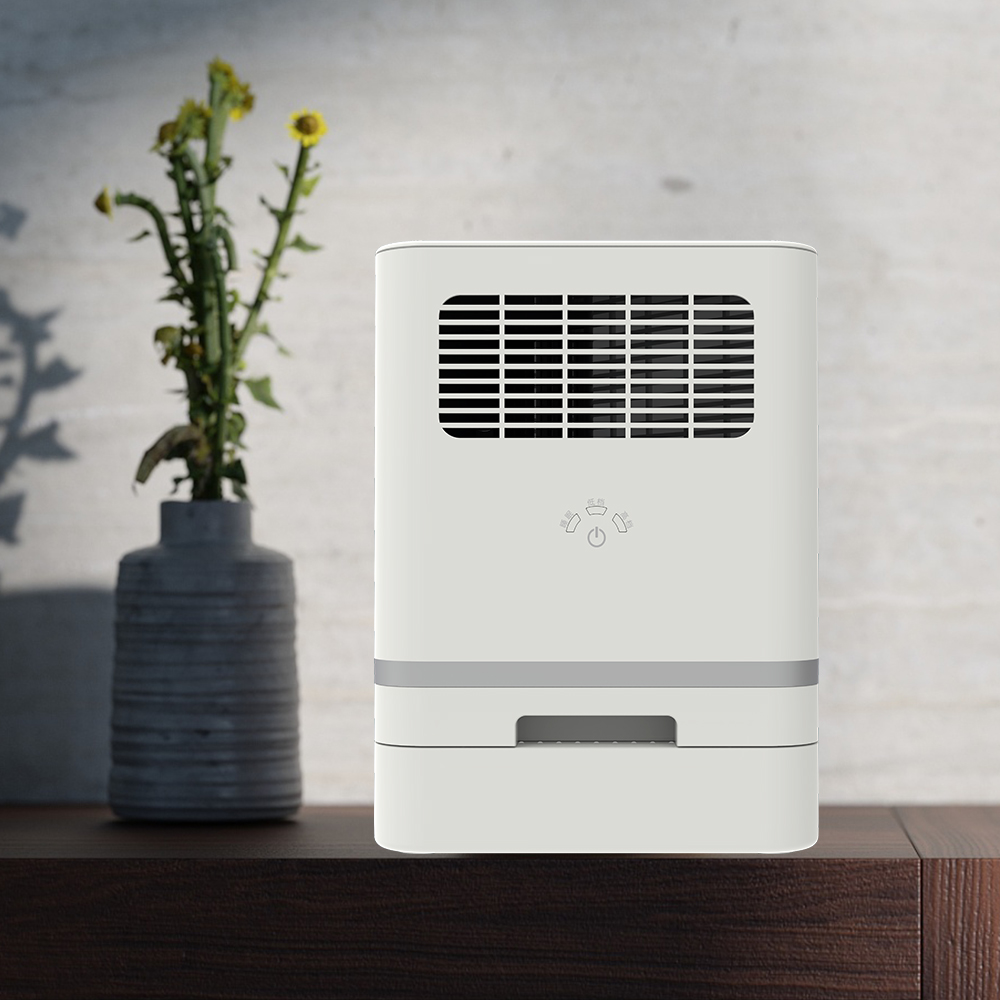
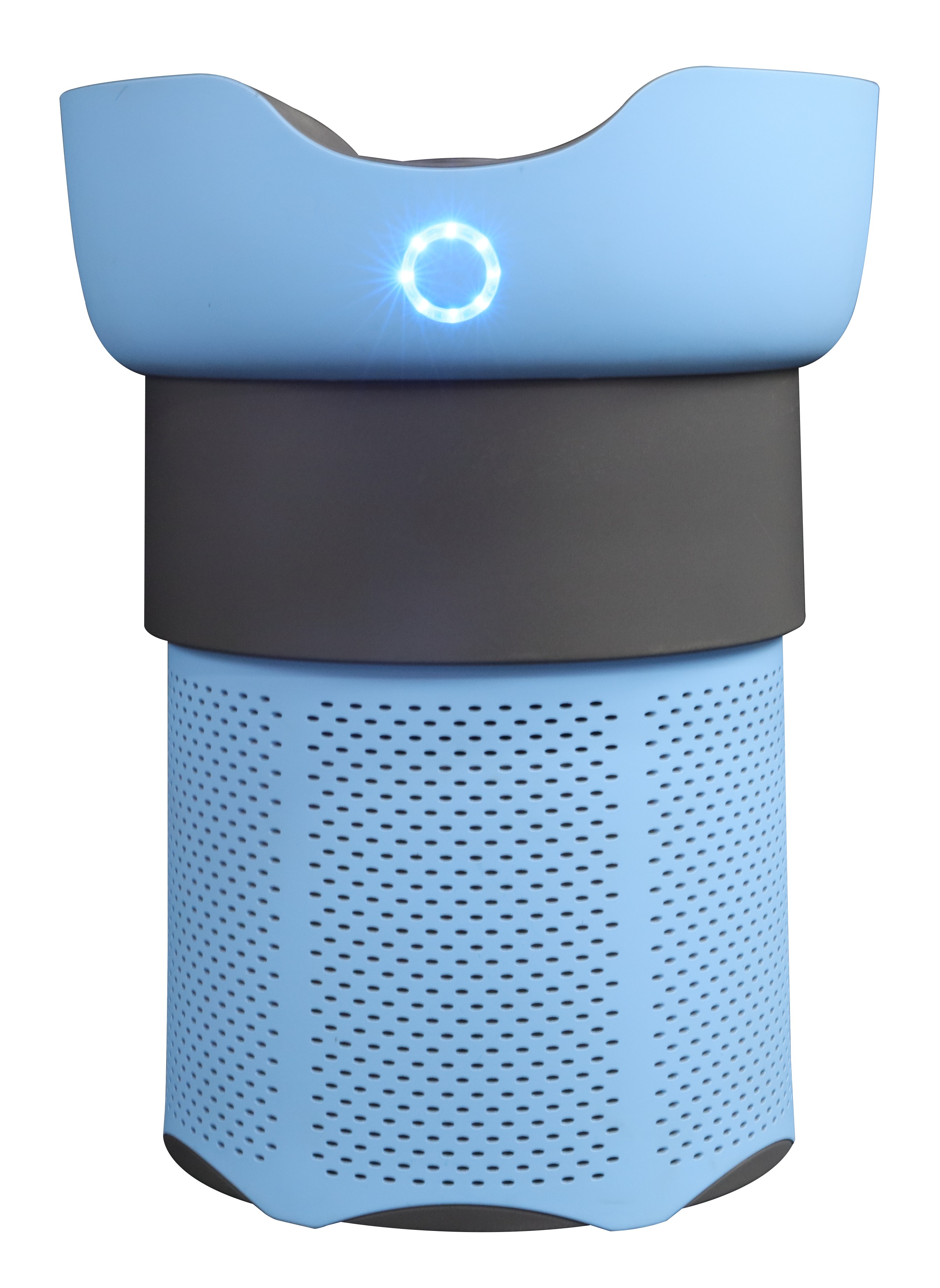 High-Efficiency Air Purifier for Formaldehyde RemovalThis air purifier is designed to tackle formaldehyde, aligning with the discussion about certified performance. Its AHAM-verified filter ensures genuine effectiveness, making it a reliable choice for clean air.View Product →
How to Read CADR Numbers and the 2/3 Rule
AHAM also gives consumers a quick sizing tool: the 2/3 Rule. It says a room air cleaner should have a CADR high enough to remove two-thirds of the airborne particles in a room within 10 minutes. In practice, this translates to a recommended CADR of about 1.5 times the room’s square footage. For a 200 sq ft room, look for at least 300 CADR.
When comparing models, the three CADR numbers matter. Smoke CADR is usually the lowest, while pollen CADR is often the highest. If a product only lists one number, use the smoke CADR as the conservative reference.
The chart above shows the 2/3 Rule in action. A 300 CADR unit is suitable for a 200 sq ft room, but a 400 sq ft space would need roughly 600 CADR. Choosing a unit with extra margin is safer for open floor plans or rooms with high ceilings.
If your room has high ceilings, use volume instead of floor area. The 2/3 Rule was developed for standard 8-foot ceilings, so multiply the room’s cubic footage and divide by the ceiling height to get the effective square footage.
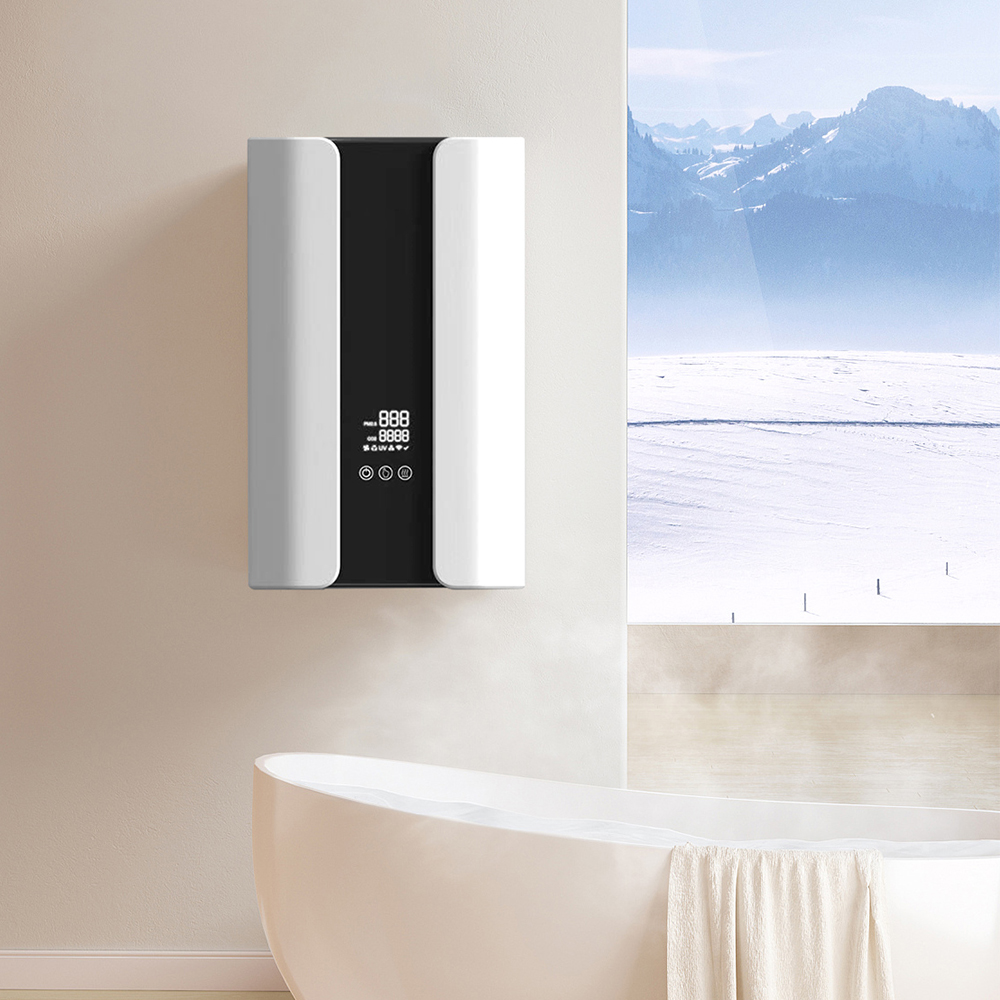
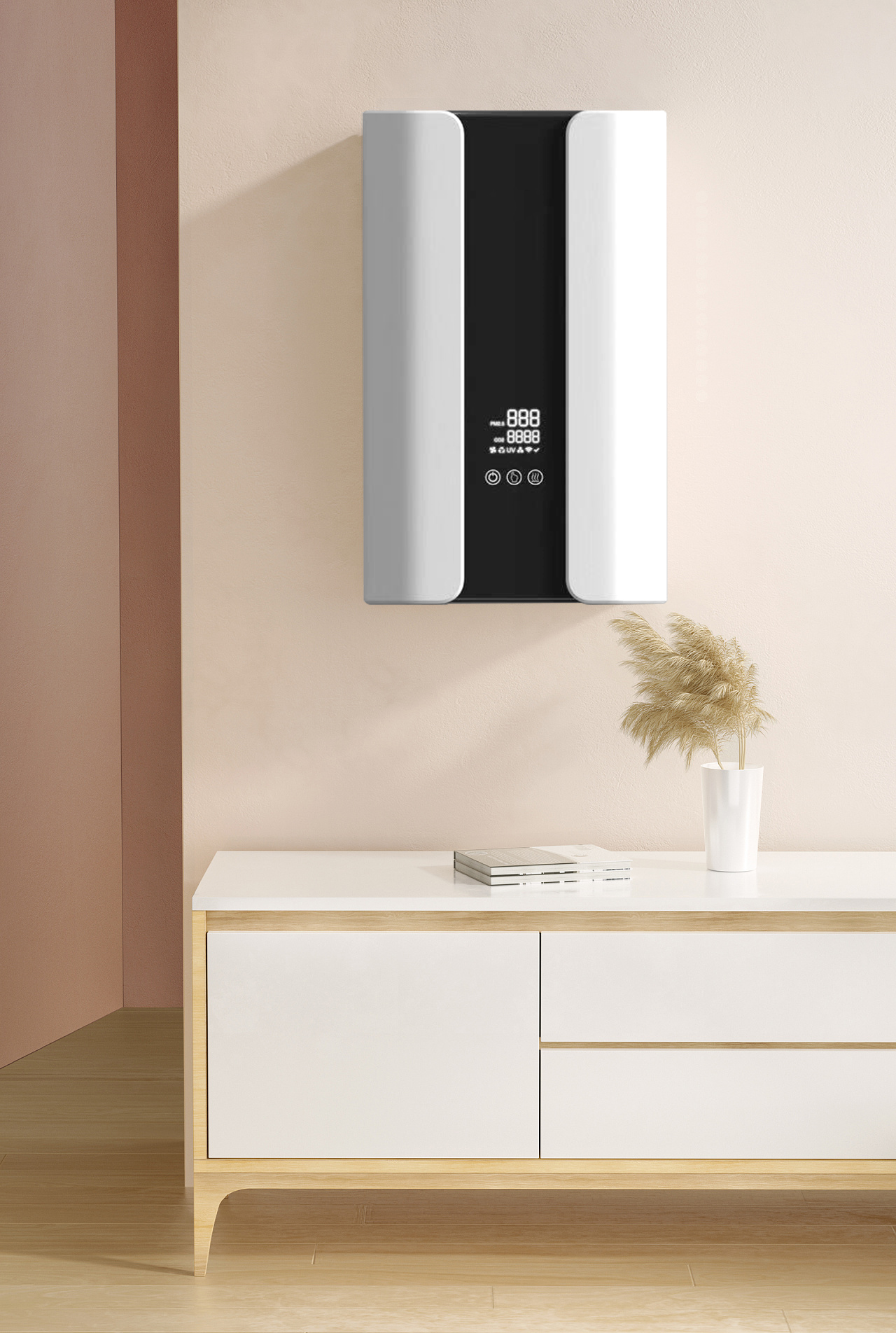
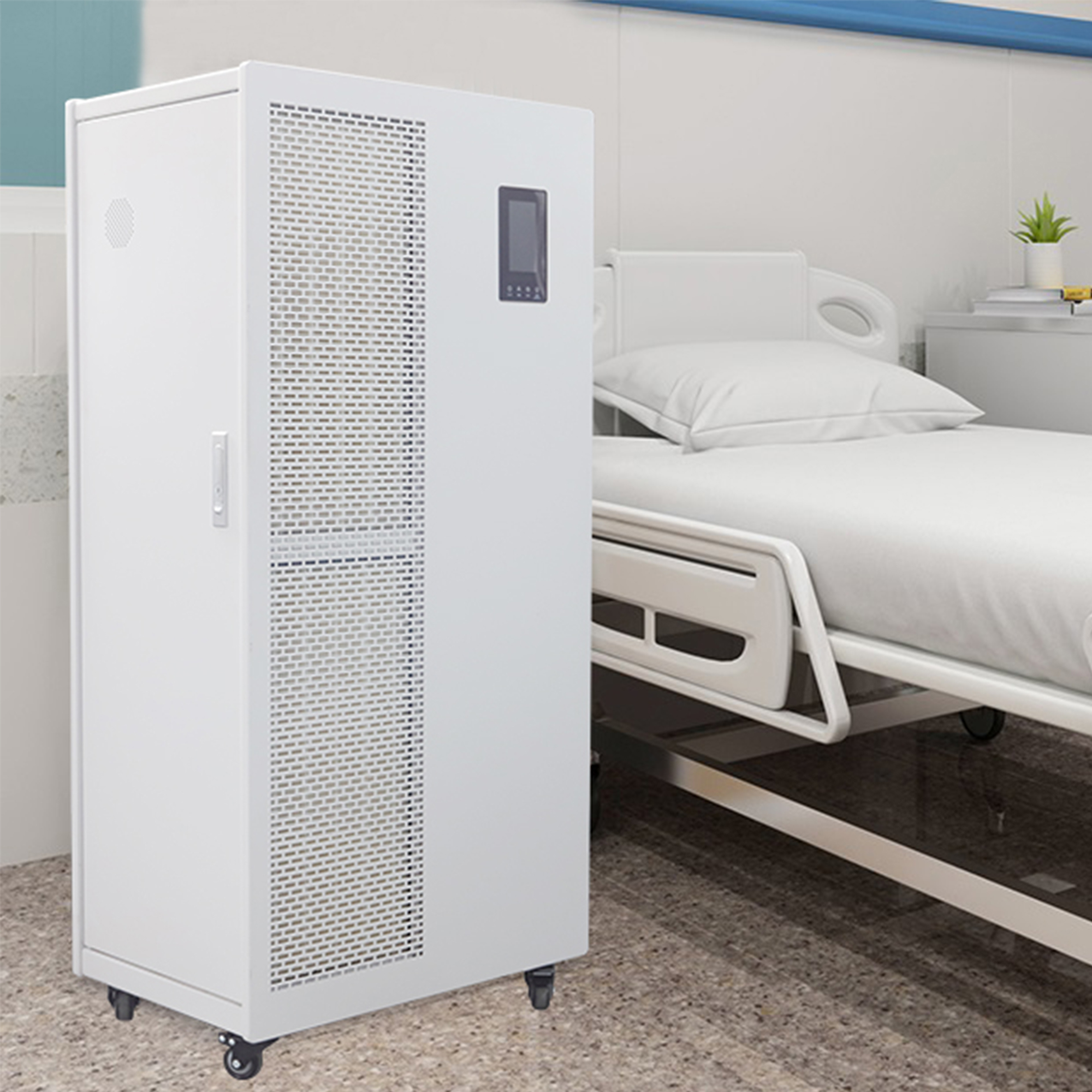
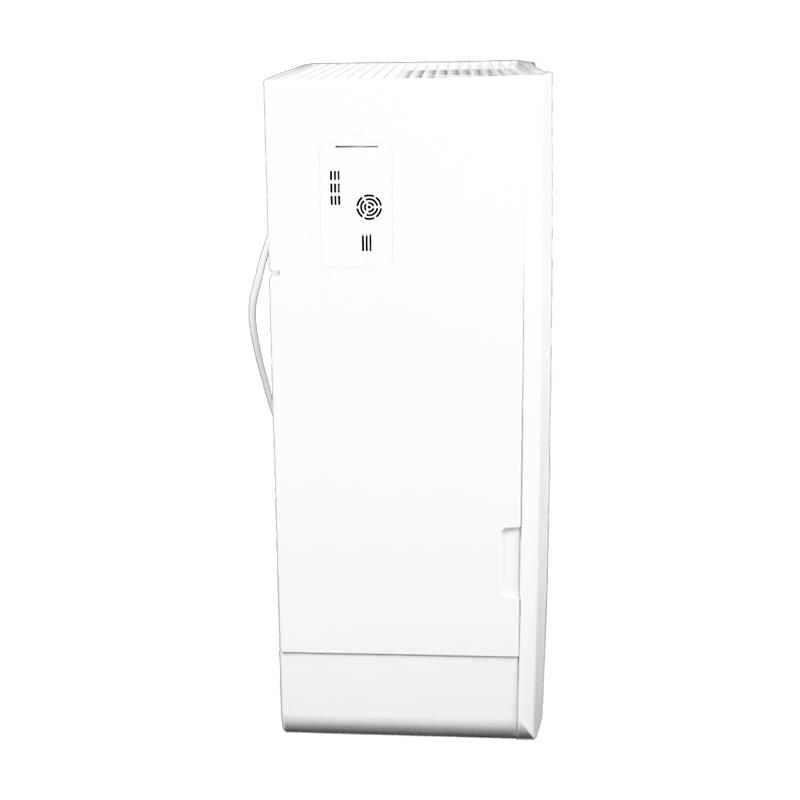 Wall-Mounted Air Purifier with 500 CADR and Medical GradeWith a 500 CADR rating, this wall-mounted unit suits rooms with high ceilings. Its features like UV lamp and real-time display support the article's emphasis on airflow and filter efficiency.View Product →
HEPA Grades and Their Role in CADR Performance
CADR numbers depend on more than just fan power. The filter’s efficiency is a key factor. HEPA filters are classified by their ability to capture 0.3 micron particles. H13 removes at least 99.95% of them, while H14 removes 99.995%. Higher grades can trap smaller pollutants, but they also create more airflow resistance, which can drag CADR down.
That is why manufacturers like us work on filter media design, pleat spacing, and seal tolerances to maintain high CADR without letting the filter become a bottleneck. You can read more about our H14 HEPA filtration systems to see how we approach this balance.
The filter grade is not the only factor; the fan motor and duct design matter too. A well-designed pleated HEPA filter can achieve both high efficiency and low pressure drop, which preserves airflow. For buyers, the certification seal gives a baseline, but always check the filter replacement schedule and material cost as part of your total cost of ownership.
From Certification to Real-World Performance: What to Check Before Buying
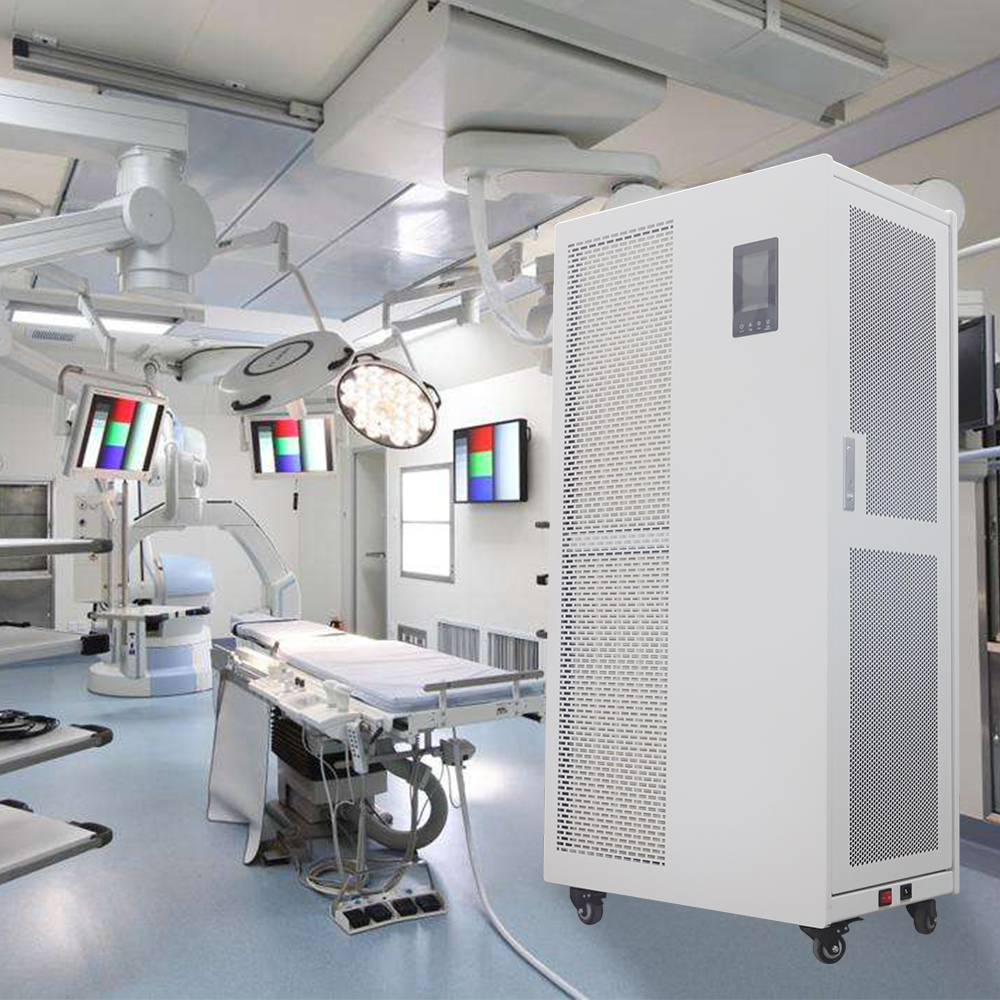
A certified unit might perform well in the lab, but your room is not a test chamber. Noise levels, energy use, filter cost, and air quality sensors all affect daily satisfaction. For example, hospital wards need high CADR with very low noise so that patients can rest. Commercial spaces may need larger airflow but cannot tolerate constant hum.
The isometric diagram above shows a typical internal structure: pre-filter and HEPA assembly, a high-efficiency fan, plasma or UV modules, and outlet guides. Each component contributes to both CADR and noise output. When evaluating an AHAM certified air cleaner, ask the manufacturer about these parts, not just the seal.
Energy consumption is another consideration. An AHAM certified air cleaner may consume more electricity if it uses a high-power fan. Check the energy efficiency and whether it has an automatic mode that adjusts fan speed based on sensors.
Why a Trusted Manufacturing Partner Matters for Certified Air Cleaners
Certification is only a snapshot. In mass production, variations in filter media pressure drop, fan performance, or air-seal quality can change actual CADR. That is why engineering discipline and vertical integration matter. A factory that makes its own filter media, molds, and plastic parts can control those variables more tightly than a pure assembly shop.
Our company has been manufacturing air treatment equipment since 2011. We produce HEPA filters, catalytic media, and complete air purifiers under one roof. Our laboratory has also received CNAS recognition, and our production processes are examined through ISO-certified manufacturing practices. You can see how we structure quality control in our ISO-certified manufacturing overview.
For OEM/ODM buyers, certification data becomes a sales asset. If you are manufacturing for a brand, having third-party verified CADR means the product can be marketed with confidence. Our CKD/SKD export solutions also help overseas partners assemble certified air cleaners locally.
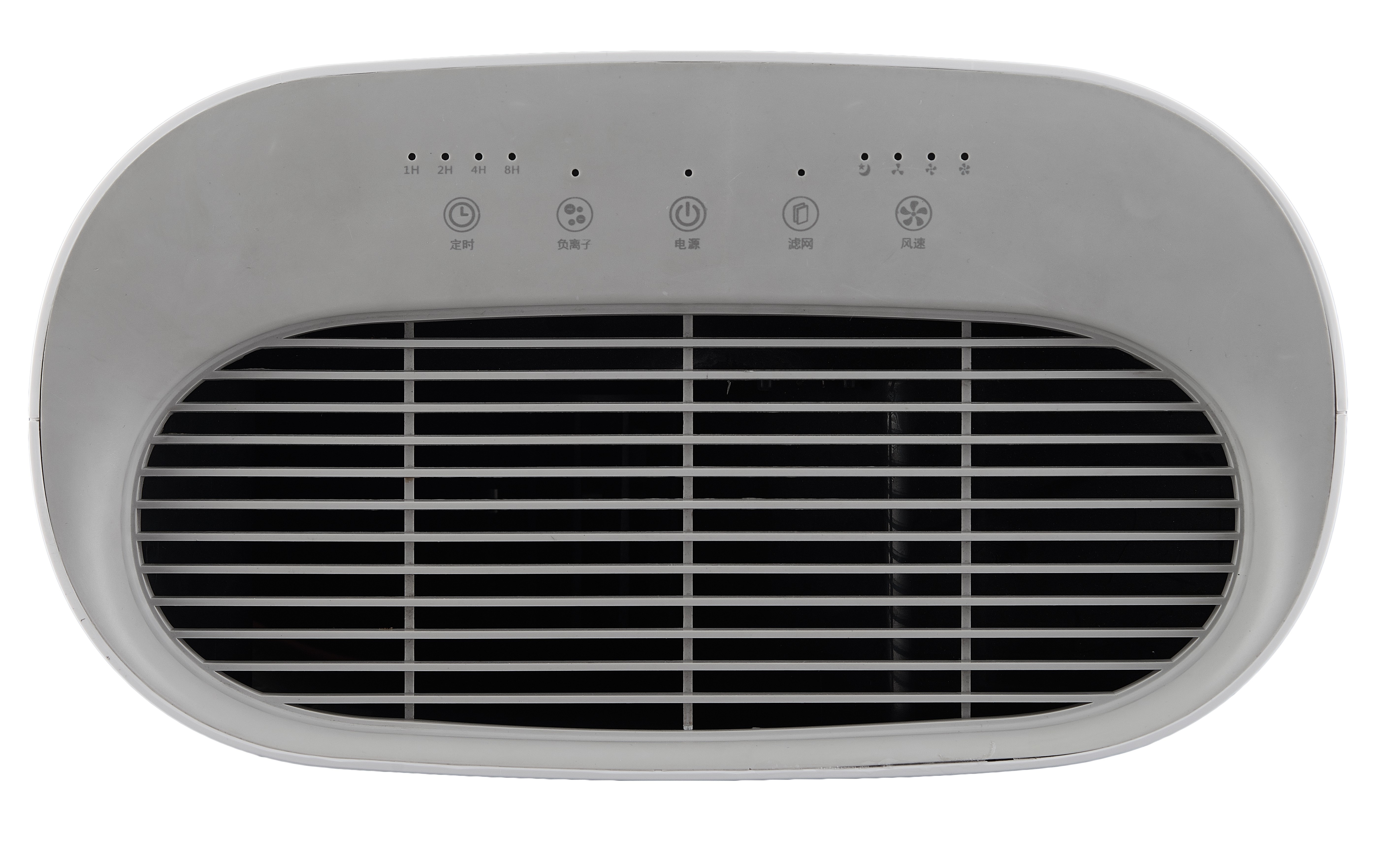 Air Purifier with Verified CADR for OEM and ODM BuyersThis model's AHAM-verified CADR adds credibility for OEM/ODM projects. Its performance data supports confident marketing and aligns with the 2/3 Rule for room sizing.View Product →
Frequently Asked Questions about AHAM Certified Air Cleaners
Q1: What does AHAM certified mean?
A1: It means the air cleaner’s CADR values have been independently tested under AHAM Verifide protocols, providing a standardized way to compare performance across brands.
Q2: Is AHAM certification the same as CARB certification?
A2: No. CARB certification focuses on ozone emissions and safety standards, while AHAM certification verifies CADR performance. Many quality air purifiers hold both.
Q3: How often should I replace HEPA filters in a certified air cleaner?
A3: Usually every 6 to 12 months depending on usage and air quality. Follow the manufacturer’s recommendation to maintain the certified CADR performance.
Q4: What CADR do I need for a 300 sq ft room?
A4: According to the 2/3 Rule, you should aim for at least 450 CADR. A unit with a smoke CADR of 450 or higher is a solid choice for that room size.
Q5: Are AHAM certified air cleaners safe for medical environments?
A5: AHAM certification confirms air delivery performance, but medical facilities should also meet hospital-grade requirements like HEPA H13/H14, low ozone, and proper disinfection features.
Q6: Does a higher CADR always mean a better air cleaner?
A6: Not necessarily. A high CADR unit may be noisier, consume more energy, or use expensive filters. Match the CADR to your room size while considering noise and filter cost.