EN
EN
 English
 中文简体
中文简体
.png)
Bottom line: Air purifiers genuinely improve indoor air quality when matched correctly to room size and pollutant type. Whether you need a best air filter for bedroom use, a home air purification system for large open spaces, or a medical-grade air cleaner filtration system for clinical environments, the right device can reduce airborne particulates by up to 99.97%. This guide gives you the data, comparisons, and decision framework to choose confidently — without brand hype.
Indoor air can be 2 to 5 times more polluted than outdoor air according to the U.S. Environmental Protection Agency (EPA). With people spending an average of 90% of their time indoors, selecting the right room air cleaners is no longer optional — it is a health decision backed by science.
Content
- 1 Do Air Purifiers Really Work? The Science Behind the Filter
- 2 Key Metrics Explained: CADR, ACH, and Coverage Area
- 3 Best Air Purifiers for Dust, Allergens, and Indoor Pollutants
- 4 Medical-Grade Air Purifiers: A Different Performance Class
- 5 Air Purifier Market Growth and Demand Trends (2020–2026)
- 6 About Ningbo Yinyu Purification Technology Co., Ltd.
- 7 How to Choose: Room-by-Room Recommendations
- 8 Frequently Asked Questions
Do Air Purifiers Really Work? The Science Behind the Filter
The short answer: yes — when CADR ratings, filter type, and room coverage are properly matched. do air purifiers really work is one of the most searched questions in this category, and research consistently confirms their effectiveness. A 2022 study published in Environmental Health Perspectives found that portable room air cleaners reduced fine particulate matter (PM2.5) concentrations by 45–65% in bedrooms over an 8-week trial period.
The key metrics to evaluate are: CADR (Clean Air Delivery Rate), which measures how quickly a unit cleans a specific volume of air; ACH (Air Changes per Hour), which indicates how many times per hour the unit processes the room's total air volume; and filter efficiency rating, typically expressed as HEPA (captures 99.97% of particles ≥0.3 microns) or MERV (1–16 scale).
Pollutant Reduction Rate by Filter Technology (%)
Source: Compiled from EPA and ASHRAE published filter performance data, 2023.
The chart above illustrates a decisive performance gap between True HEPA filtration and alternatives. True HEPA captures virtually all harmful particulates — including PM2.5, pollen, pet dander, and mold spores — at 99.97% efficiency. While activated carbon excels at odor and VOC removal, combining both technologies in one unit delivers the broadest protection. Ionizer-only units, while inexpensive, offer the weakest particulate removal and may generate trace ozone — a consideration for sensitive users.
Key Metrics Explained: CADR, ACH, and Coverage Area
When evaluating any air filter machine or best room air purifiers, three numbers matter most. Understanding these prevents the most common purchasing mistake: buying an underpowered unit for a large space and expecting full-room results.
| CADR (CFM) | Max Room Size (sq ft) | ACH at 8ft Ceiling | Ideal Use Case |
|---|---|---|---|
| 100–200 | Up to 200 | 3–4×/hr | Small bedroom, office |
| 200–400 | 200–400 | 4–6×/hr | Living room, open plan |
| 400–800 | 400–800 | 6–8×/hr | Large home, retail space |
| 1200+ | 1200+ | 10–15×/hr | Hospital ward, clinic, ICU |
| 2000+ | 2000+ | 15–20×/hr | Operating room, isolation ward |
Medical environments require a minimum of 12 ACH according to the American Institute of Architects (AIA) guidelines for healthcare facilities. This is why medical-grade units like the YKX-1200 (1200 CADR) and YKX-2000 (2000 CADR) exist in a fundamentally different performance class than consumer units. For best air purifiers for homes, a CADR of 200–400 is typically sufficient for most residential spaces.
Best Air Purifiers for Dust, Allergens, and Indoor Pollutants
Finding the best air purifiers for dust means prioritizing pre-filter capture alongside HEPA efficiency. Household dust contains a mixture of skin cells, textile fibers, dust mite allergens (Der p 1 protein), and fine soil particles — all in the 1–100 micron range. A quality room air cleaner or air cleaner filtration system addresses these in layers.
HEPA Capture Rate by Particle Type (%)
Source: True HEPA filter performance data per ASHRAE 52.2 and EN1822 standards.
This column chart demonstrates that True HEPA filtration performs with near-total effectiveness against every major household allergen and biological contaminant. The 99.97% capture rate for bacteria is particularly significant for immunocompromised individuals and healthcare environments. Pet dander and dust mite allergens — the most common triggers for asthma exacerbations — are captured with equal consistency. For anyone seeking the best air filter for bedroom use, a HEPA-certified unit running overnight on medium speed can reduce allergen load by over 80% within 2 hours of operation.
What to Look for in a Best Room Air Filter
- True HEPA certification (not "HEPA-type" or "HEPA-like" — these are unregulated terms)
- CADR ≥ 2/3 of room square footage (AHAM recommended sizing formula)
- Multi-stage filtration: pre-filter + HEPA + activated carbon at minimum
- Noise level ≤ 50 dB on high speed for bedroom-compatible operation
- Filter replacement interval and cost — a hidden long-term expense often overlooked
- Energy Star certification for units that run 24/7
Medical-Grade Air Purifiers: A Different Performance Class
Standard consumer units and medical-grade devices are not interchangeable. Clinical settings — surgical suites, isolation wards, ICUs — require air purification performance that consumer best air purifiers for homes simply cannot deliver. Medical-grade systems must comply with ISO 14644, WHO ventilation guidelines, and ANSI/ASHRAE Standard 170 for healthcare facilities.
Performance Radar: Consumer vs. Medical-Grade Air Purifier
Radar chart comparing medical-grade vs. consumer air purifiers across 6 performance dimensions.
The radar chart makes the performance gap unmistakable. Medical-grade systems dominate on CADR output, air change rates, and regulatory compliance — the three dimensions that matter in infection control. Consumer units trade these capabilities for quieter operation and higher portability, which are valid priorities for residential use. In environments where airborne pathogen transmission is a concern — such as during seasonal flu peaks or post-pandemic facility operation — the 1200–2000 CADR range of professional medical devices provides a genuinely different level of protection. Note that compliance to ISO and healthcare ventilation standards is not a product marketing claim but a regulatory requirement verified by third-party audit.
Featured Products: Medical Air Purifiers with Wheels
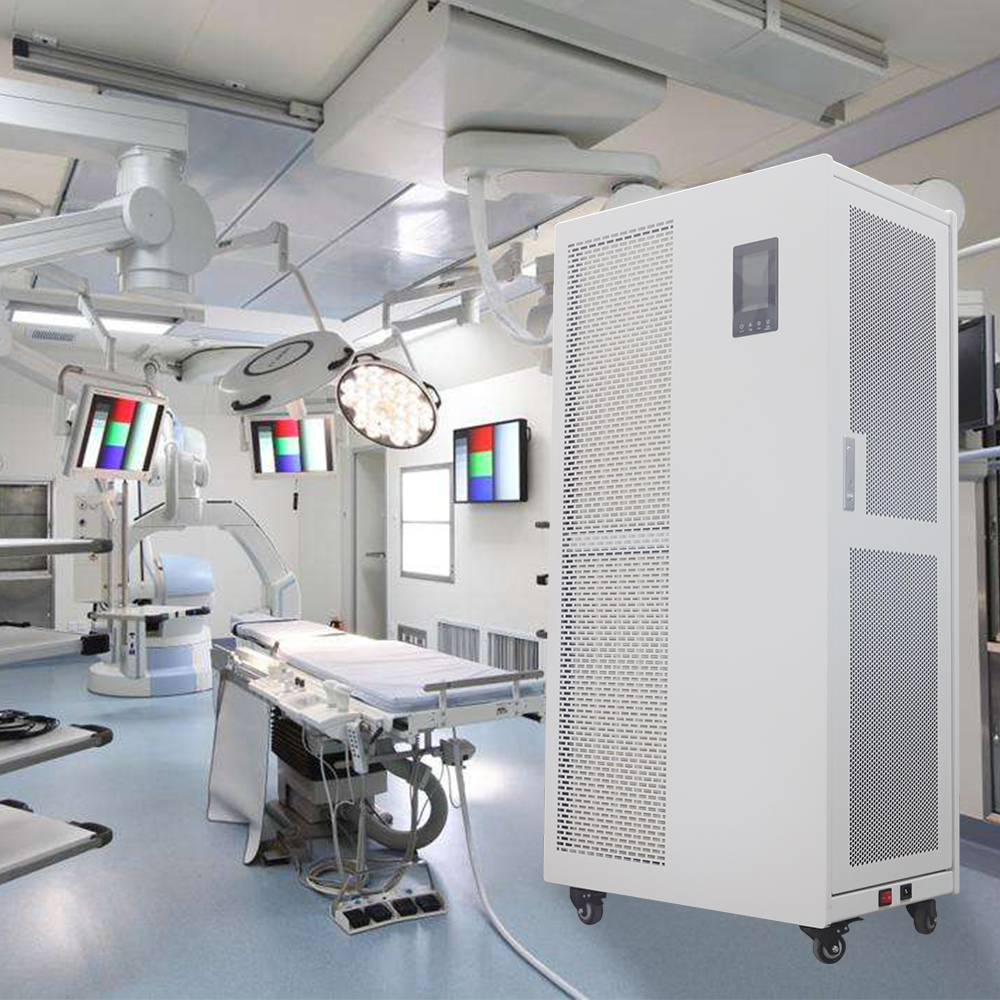
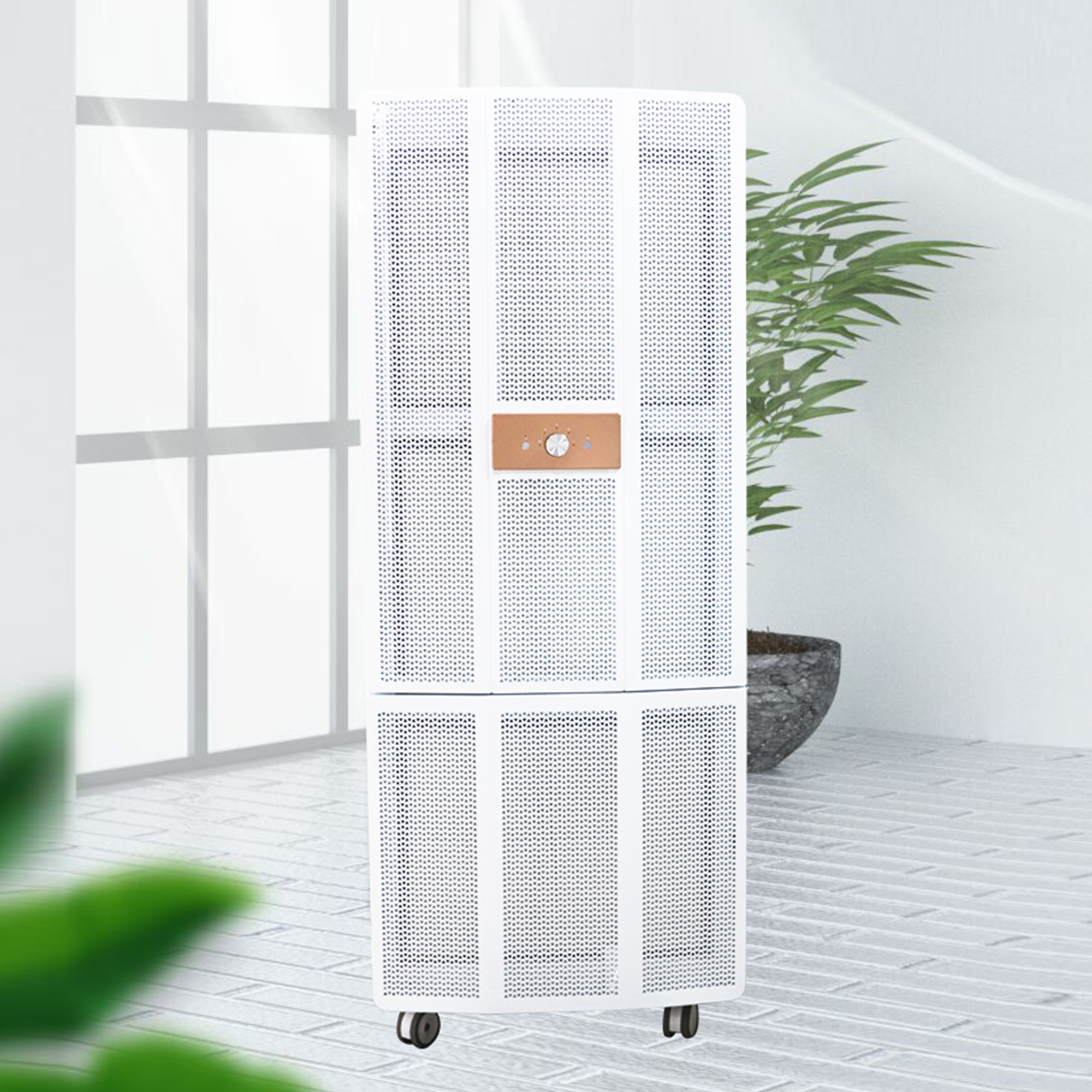
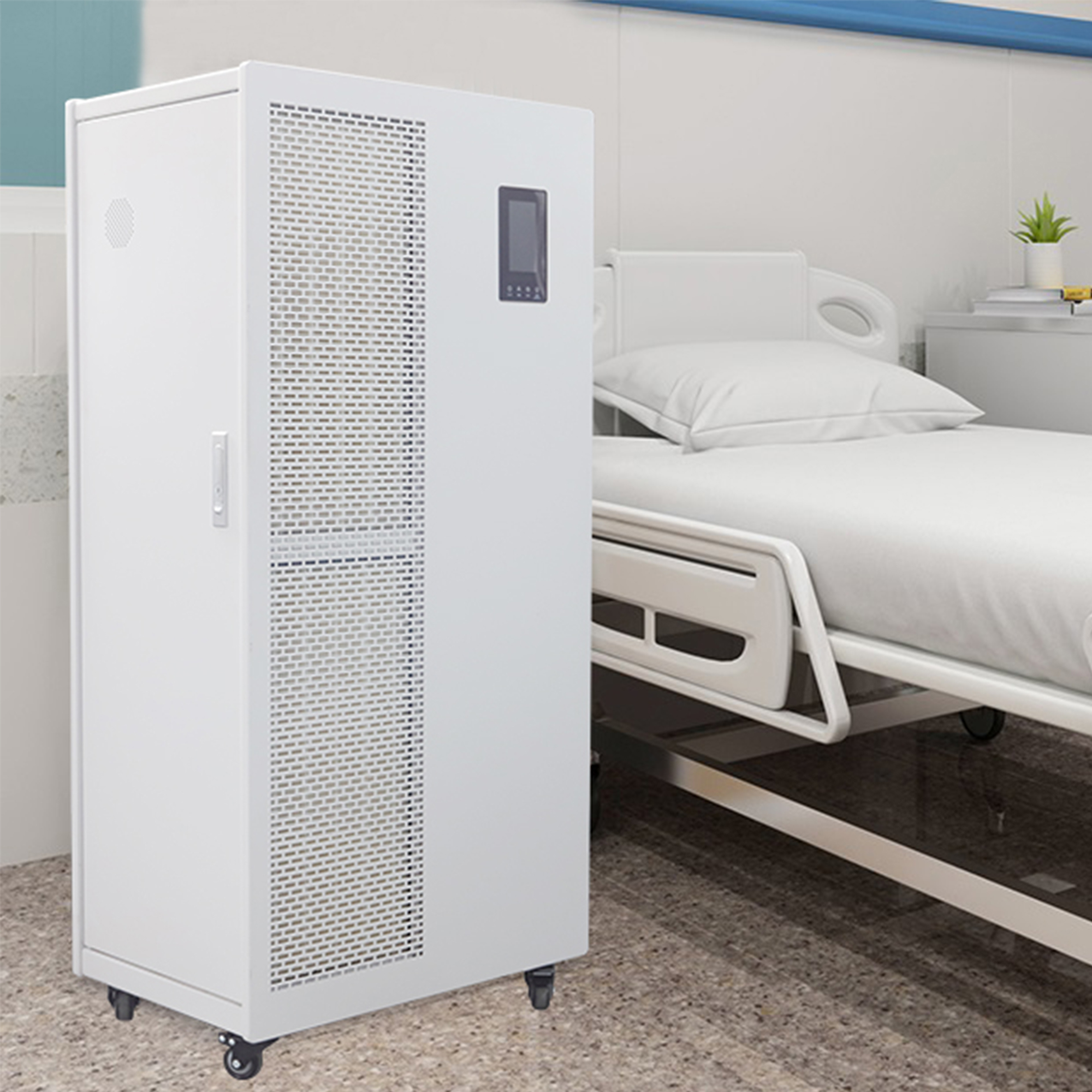
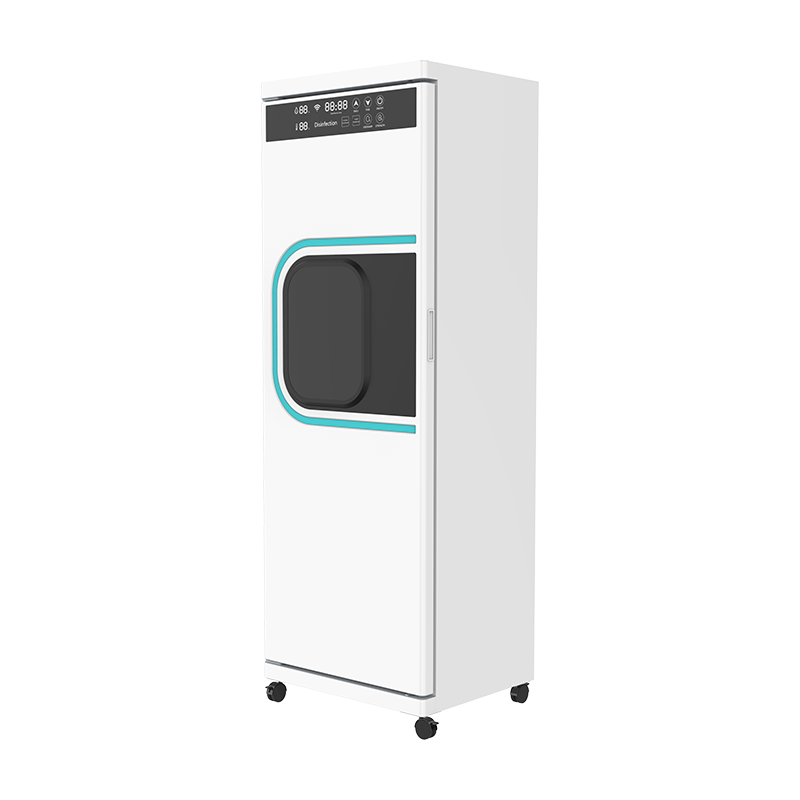
The MEDICAL 1200 CADR AIR PURIFIER HOSPITAL WITH WHEELS (YKX-1200) delivers high-volume air processing suitable for general ward environments, emergency departments, and dental clinics. Its caster-mounted design enables rapid repositioning — a critical feature in dynamic clinical settings. The MEDICAL 2000 CADR AIR PURIFIER (YKX-2000) steps up to operating-room-class performance, achieving the ACH levels required for Class 100,000 cleanroom equivalence.
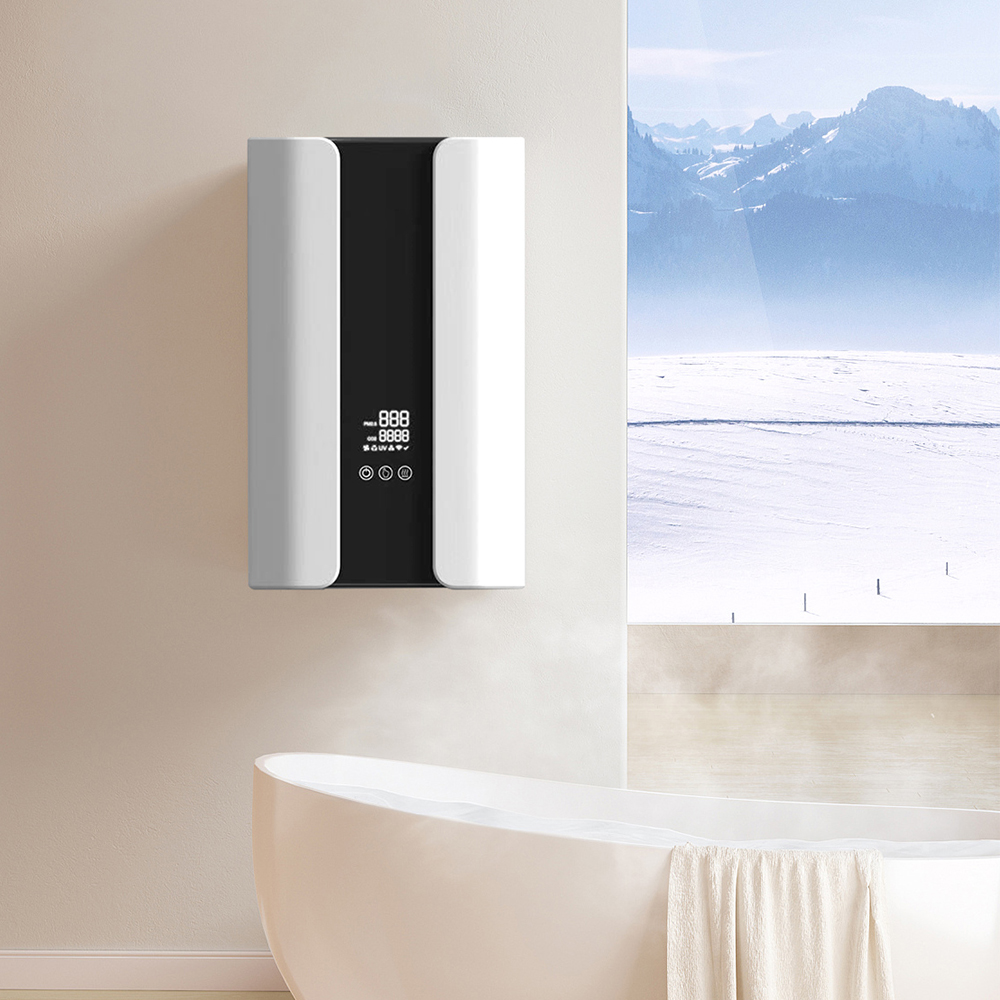
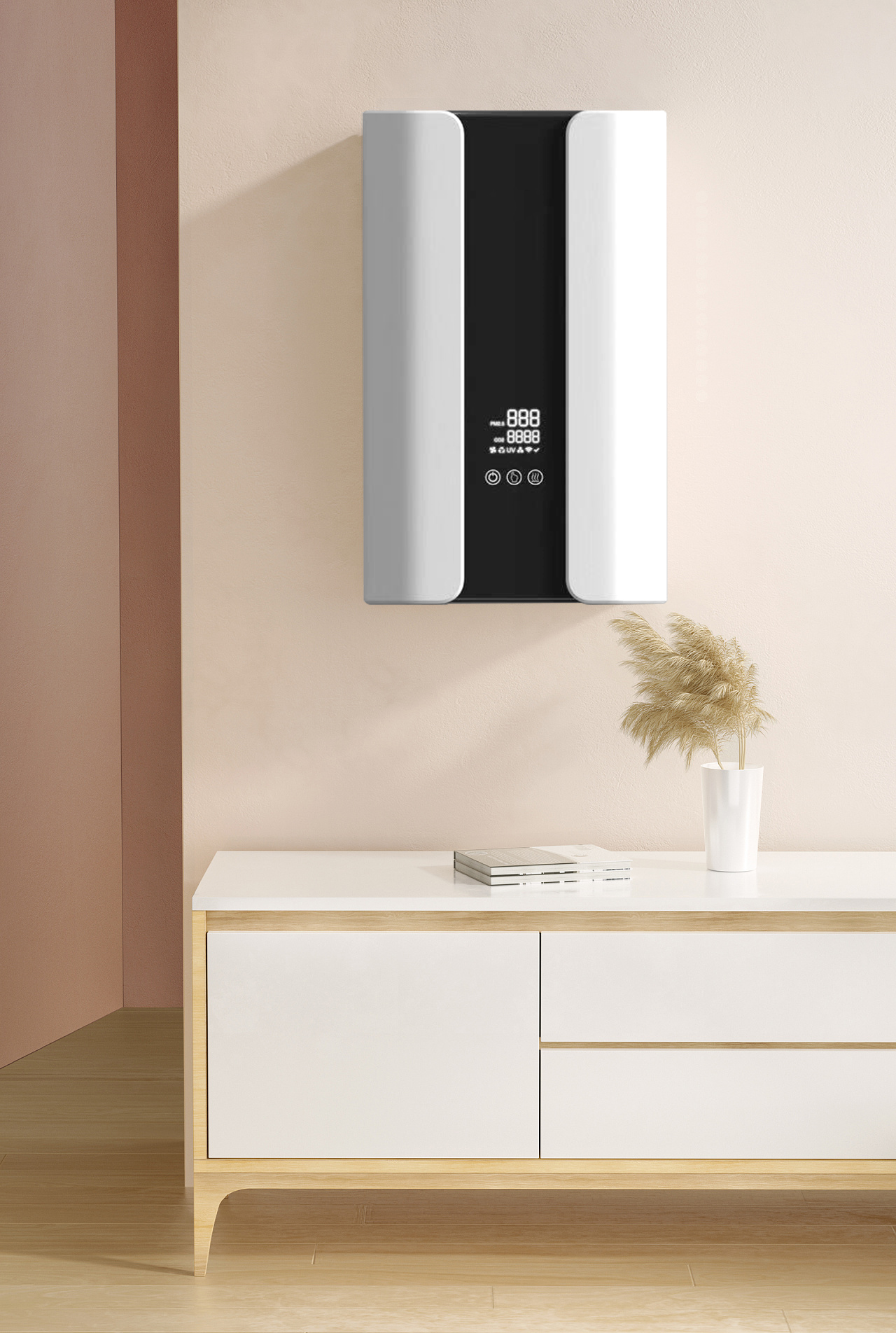
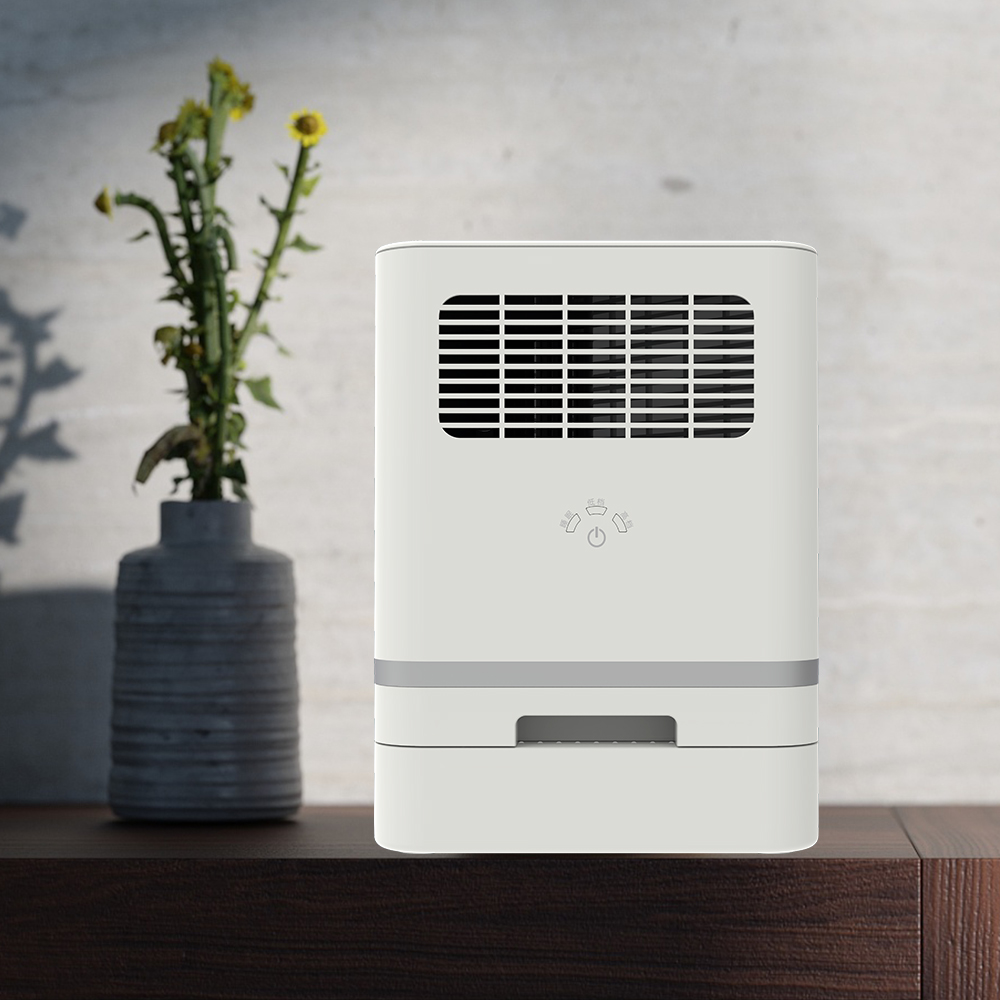
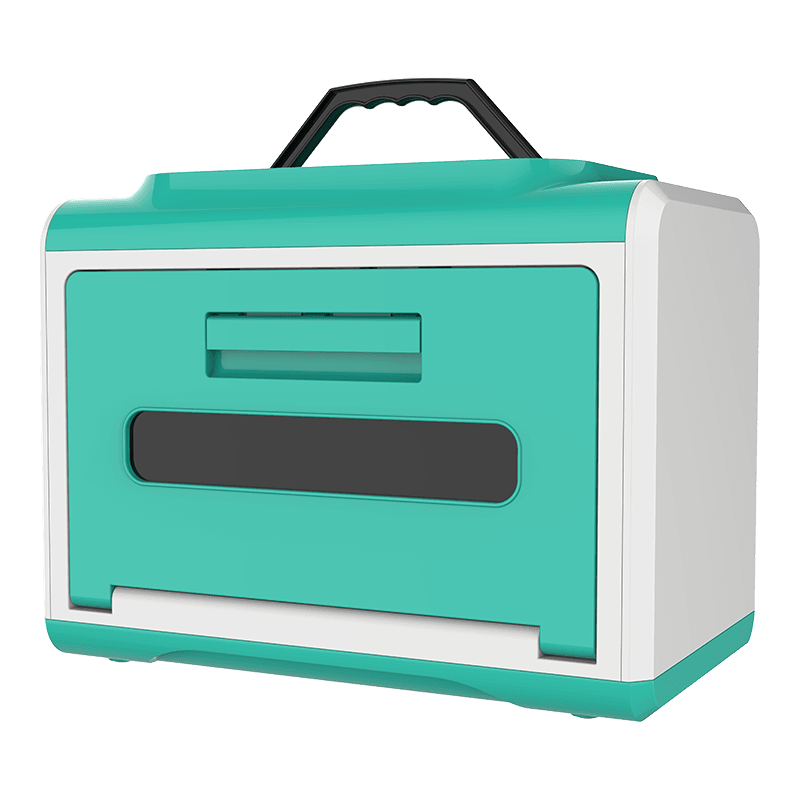
For fixed installations, the WALL MOUNTED 300 CADR AIR FRESH VENTILATION DEVICE MEDICAL AIR PURIFIER (YY-B-300) provides continuous zone-level air treatment without occupying floor space — ideal for consultation rooms and patient recovery areas. The MEDICAL INSTRUMENTS SLEEP WAVE WHITE (YY-01) extends clean-air capability to patient bedside environments, combining whisper-quiet operation with clinical-grade filtration in a form factor suitable for sleep health applications.
Air Purifier Market Growth and Demand Trends (2020–2026)
The global air purifier market has undergone significant structural expansion since 2020. Post-pandemic awareness of airborne transmission routes, combined with worsening urban air quality indices across Asia and North America, has driven sustained demand across both residential and institutional segments. Understanding this trajectory helps buyers recognize that today's medical-grade air cleaner filtration system designs reflect hard-won innovation from this period.
Global Air Purifier Market Size (USD Billion, 2020–2026 Projection)
Source: Grand View Research, Global Air Purifier Market Report 2024; *2025–2026 are projected figures.
The compound annual growth rate (CAGR) for the air purifier sector from 2020 to 2026 is estimated at approximately 16.4%, significantly outpacing the broader home appliance market. The most rapid expansion is occurring in the medical and commercial segments, where institutional buyers are procuring high-CADR units in volume. This growth creates strong demand for Medical Purifier Wholesale channels and positions manufacturers with ISO-certified production capacity at a structural advantage. The residential segment continues to grow steadily, fueled by awareness of indoor air quality issues and the proliferation of air quality sensor data available to consumers through smart home platforms.
About Ningbo Yinyu Purification Technology Co., Ltd.
Ningbo Yinyu Purification Technology Co., Ltd. is a leading China Medical Air Purifier Manufacturer and OEM Medical Air Purifier Factory, integrating production and trade to serve global buyers across healthcare, commercial, and residential segments. The company is dedicated to the manufacturing and selling of household appliances, household appliance parts, medical equipment, and disinfection equipment.
All wholesale Medical Air Purifier products have passed ISO9001 certification. With an in-house testing laboratory and advanced inspection equipment, Ningbo Yinyu ensures consistent product quality across every production batch. Annual production capacity exceeds 300,000 units, enabling flexible fulfillment for customers ranging from small clinic operators to large hospital procurement departments. As a recognized Medical Air Purifier Supplier and OEM partner, the company supports custom specifications, private-label programs, and international compliance documentation for export markets.
Whether your requirement is for room air cleaners for a network of clinics or a full home air purification system product line, Ningbo Yinyu offers the manufacturing depth, quality assurance infrastructure, and technical expertise to deliver at scale.
How to Choose: Room-by-Room Recommendations
The best air purifiers for homes are not one-size-fits-all. Different rooms present different air quality challenges, and matching the unit to the environment is the single most impactful decision a buyer can make.
- Bedroom: Prioritize low noise (≤35 dB), True HEPA filtration, and a CADR matched to room size. Sleep-mode operation with auto-dimming display is a practical differentiator. The best air filter for bedroom use should run continuously at low speed rather than cycling on and off.
- Living Room: Requires higher CADR (300–500+ CFM) to address open-plan volumes, cooking odors (activated carbon), and higher foot traffic particulate loads. Tower or floor-standing units with 360° air intake perform best here.
- Home Office: VOC removal from printers, off-gassing from furniture, and screen-associated air dryness are primary concerns. Combined HEPA + activated carbon units with a compact footprint suit this space well.
- Kitchen: Grease aerosols and cooking particulates demand a washable pre-filter and robust activated carbon stage. Standalone kitchen air filter machines with dedicated grease filters outperform generic units in this high-challenge environment.
- Hospital / Clinic: Only medical-grade air cleaner filtration systems with CADR ≥1200 and verifiable compliance to ISO 14644 should be specified. Wheeled mobility for flexible deployment is essential in multi-zone clinical environments.
Frequently Asked Questions
Real questions from buyers, specifiers, and facility managers — answered clearly.
Q1. Do air purifiers really work for dust removal?
Yes — True HEPA units capture 99.97% of particles ≥0.3 microns including dust, dust mite allergens, and fine soil. Studies show PM2.5 reductions of 45–65% within 2 hours of continuous operation in a properly sized room.
Q2. What CADR do I need for a 400 sq ft living room?
The AHAM guideline recommends a CADR of at least 2/3 the room's square footage, so a minimum of 267 CFM for 400 sq ft. Choosing 300–350 CFM provides comfortable headroom for open-plan layouts or higher ceilings.
Q3. How often should I replace HEPA filters?
Most manufacturers recommend replacing True HEPA filters every 12–18 months under normal residential use. In medical or high-pollution environments, replacement every 6–12 months is typical. Pre-filters should be cleaned every 2–4 weeks to extend HEPA filter life.
Q4. Is a medical-grade air purifier safe for home use?
Yes, medical-grade units are safe for residential use and simply offer higher performance than standard consumer models. For very large homes, open-plan spaces, or households with immunocompromised members, the higher CADR output of a medical-grade unit provides measurably better air quality outcomes.
Q5. Can air purifiers help with pet dander and odors?
Effectively, yes. HEPA filtration captures pet dander at 99%+ efficiency. For pet odors, a substantial activated carbon stage (at least 1–2 lbs of carbon for meaningful VOC absorption) is necessary alongside the HEPA layer. Units with only a thin carbon pre-coat provide limited odor control.
Q6. What certifications should a medical air purifier have?
For healthcare procurement, look for ISO9001 quality management certification, compliance with ISO 14644 cleanroom standards, and where required, CE marking for European markets or FDA registration for U.S. clinical use. ASHRAE Standard 170 compliance is the benchmark for hospital ventilation systems.
Q7. Do air purifiers help with wildfire smoke indoors?
Yes — wildfire smoke contains fine PM2.5 particles and toxic VOCs. A unit combining True HEPA (for particles) and activated carbon (for gases and odors) provides the most comprehensive protection. During active smoke events, running your best room air purifier on high speed continuously is recommended by the EPA.
Q8. Can I get OEM/wholesale medical air purifiers from China?
Yes. Manufacturers like Ningbo Yinyu Purification Technology Co., Ltd. offer OEM and wholesale programs for medical air purifiers with full ISO9001 certification and annual production capacity exceeding 300,000 units. Custom specifications, private label, and export compliance support are available for international B2B buyers.