EN
EN
 English
 中文简体
中文简体
.png)
When selecting a hospital air purifier, the single most critical factor is verified filtration performance—specifically, a True HEPA H13 or H14 filter capable of capturing 99.95%–99.995% of particles at 0.3 microns, combined with UV-C sterilization and activated carbon for volatile organic compounds (VOCs). Beyond the filter spec, procurement teams must evaluate airflow capacity (CADR), room coverage, noise output, and compliance certifications before deployment in any clinical environment.
Healthcare-acquired infections (HAIs) affect approximately 1 in 31 hospital patients on any given day in the United States, according to the CDC. Airborne pathogens—including MRSA, Clostridioides difficile spores, and respiratory viruses—are implicated in a meaningful share of those infections. A properly specified medical grade air purifier reduces bioaerosol load, protects staff and patients alike, and supports overall infection prevention programs. This guide walks through every decision layer: clinical application requirements, filtration science, procurement criteria, and long-term maintenance protocols.
Content
- 1 Medical Application Scenarios: Matching the Purifier to the Environment
- 2 Filtration Technology and Operating Principles
- 3 Procurement and Certification Guide for Healthcare Buyers
- 4 Maintenance Protocols and Infection Control Integration
- 5 Why Source from a Qualified Medical Air Purifier Manufacturer
- 6 Frequently Asked Questions
Medical Application Scenarios: Matching the Purifier to the Environment
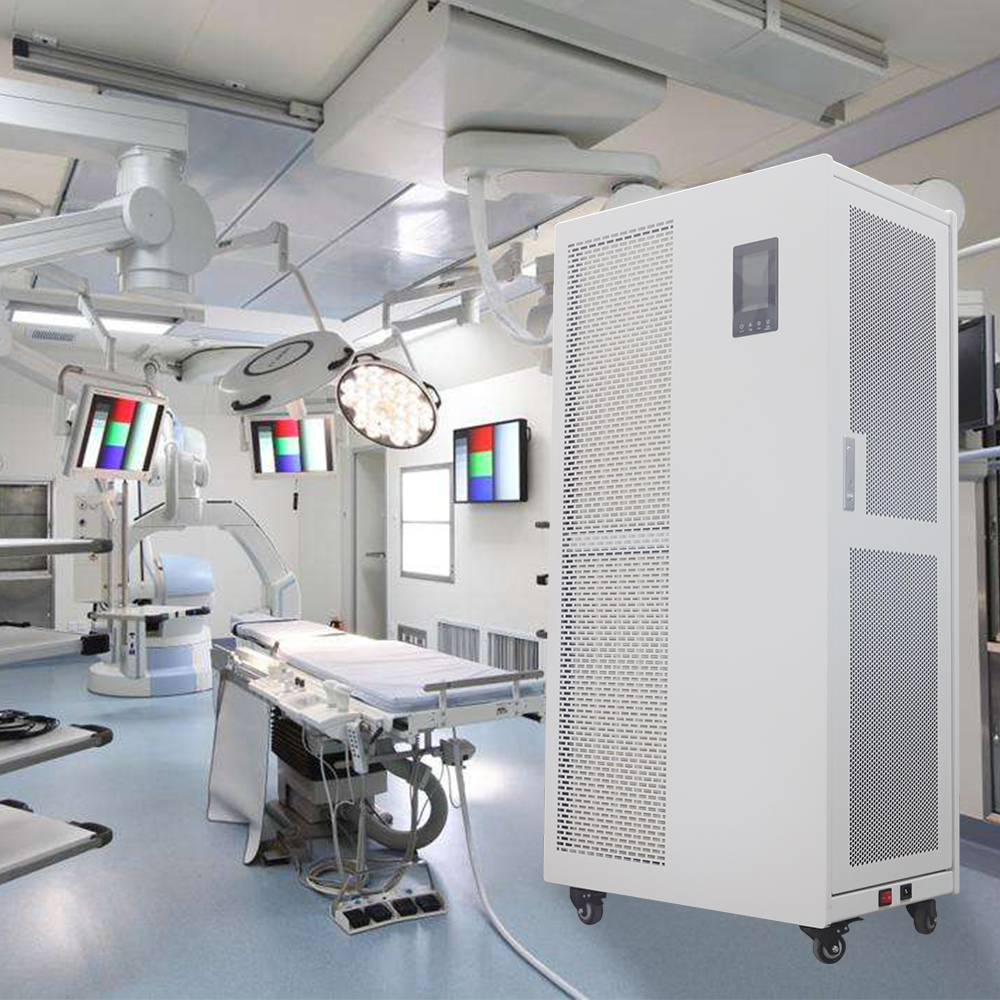
Not every clinical space has the same air quality challenge. An air purifier for ICU must handle continuous 24/7 operation with near-silent performance, while an air purifier for operating room requires laminar airflow compatibility and extremely low particle counts. Matching device specifications to the room's risk profile is the foundation of effective hospital air quality management.
Intensive Care Units (ICU)
ICU patients are immunocompromised and often intubated, making them extraordinarily vulnerable to airborne pathogens. The air purifier for ICU must achieve at least 12 air changes per hour (ACH) as recommended by ASHRAE Standard 170-2021 for critical care spaces. Units should operate below 45 dB(A) to avoid disturbing patients on ventilators and should feature sealed HEPA H14 filtration with no bypass leakage. Continuous operation mode with an auto-restart function after power interruptions is essential.
Operating Rooms
The air purifier for operating room environments must integrate without disturbing the primary HVAC laminar airflow system. Portable supplemental units positioned near the surgical field can reduce airborne colony-forming units (CFUs) by up to 68% in studies published in the Journal of Hospital Infection (2019). Units must be constructed from non-porous, wipe-clean surfaces, and must not generate ozone or reactive oxygen species that could compromise sterile field integrity.
Dental Clinics
Dental aerosols generated during drilling, scaling, and air-water syringe use can remain suspended for up to 30 minutes. An air purifier for dental clinic settings should deliver high CADR (Clean Air Delivery Rate) with a minimum of 300 m³/h for a standard 20 m² operatory, include pre-filters for visible particulate, and incorporate activated carbon to address chemical vapors from dental materials such as methyl methacrylate.
Laboratories and Cleanrooms
An air purifier for laboratory or air purifier for cleanroom applications must meet ISO 14644 cleanliness class requirements. Class 5 cleanrooms permit no more than 3,520 particles ≥0.5 µm per cubic meter. Purifiers used in these environments require ULPA (Ultra-Low Penetration Air) filters in some contexts and must be validated regularly through particle counting to confirm ongoing compliance.
Medical Offices and General Clinical Areas
For air purifier for medical office deployment—waiting rooms, consultation rooms, and corridors—the primary goal is reducing aerosolized respiratory viruses and allergens. Units in these areas benefit from smart sensors that auto-adjust fan speed based on real-time PM2.5 readings, reducing energy consumption during low-occupancy periods while ramping up during peak patient traffic.
Recommended Air Changes per Hour (ACH) by Healthcare Zone
This chart illustrates the minimum ACH values recommended by ASHRAE Standard 170-2021 across key healthcare environments. Operating rooms require the highest air exchange rates due to the critical need for sterile conditions during surgical procedures. ICU and dental clinic settings also demand elevated ACH to mitigate airborne infection risk, while general medical offices require lower but still meaningful ventilation rates. These benchmarks should guide both HVAC design and supplemental purifier selection.
Isolation Rooms and Negative Pressure Environments
Airborne infection isolation (AII) rooms for patients with tuberculosis, measles, or COVID-19 require negative pressure differentials of -2.5 Pa or greater relative to adjacent corridors. Standalone clinical air purifiers with built-in negative pressure capability, or HEPA exhaust units that reinforce the HVAC system, are used when the facility's existing ventilation system cannot maintain required pressure differentials. These units must include a pressure monitoring alarm and tamper-resistant controls.
Filtration Technology and Operating Principles
The performance of a medical grade air purifier is defined entirely by its filtration stack. Understanding the science behind each layer helps procurement teams ask the right technical questions and avoid units that underperform in clinical conditions.
HEPA H13 vs. H14: What the Numbers Mean
Under the EN 1822 European standard, H13 HEPA filters capture at least 99.95% of particles at the MPPS (Most Penetrating Particle Size, ~0.1–0.3 µm), while H14 filters raise that threshold to 99.995%. In practical hospital terms, H13 is appropriate for most clinical areas including ICUs and wards, while H14 is warranted in pharmaceutical cleanrooms, hematology-oncology units, and bone marrow transplant environments where even trace contamination is unacceptable. Both must be validated as integral assemblies—meaning the filter media, frame, and seal must be tested together, not as individual components.
Multi-Stage Filtration Stack
A well-designed healthcare air purifier uses a minimum of three filtration stages: a pre-filter (G3–G4 grade) that captures dust, hair, and larger particles to protect the HEPA filter from premature loading; the HEPA H13/H14 stage that handles fine particulate and bioaerosols; and an activated carbon stage that adsorbs VOCs, formaldehyde, ozone, and anesthetic gases. Premium units add a UV-C germicidal irradiation stage (254 nm wavelength) after the HEPA stage to inactivate any microorganisms captured on the filter surface, reducing recontamination risk during filter change-out.
Filter Performance Comparison: H13 vs H14 (Radar Chart)
The radar chart illustrates that H14 filters outperform H13 across all critical dimensions, with the most pronounced advantage in filtration efficiency and virus capture rate—the two axes most directly linked to infection control outcomes. H13 remains an effective and cost-appropriate choice for standard hospital wards and ICUs, where the 99.95% efficiency threshold already represents a dramatic reduction in bioaerosol load. The marginal performance gain of H14 is most meaningful in hematology, transplant, and pharmaceutical manufacturing environments where even single-digit particle counts can trigger adverse events. Procurement decisions should weigh performance gaps against the higher replacement frequency and airflow resistance of H14 media.
UV-C Germicidal Irradiation: Supplemental, Not Standalone
UV-C lamps at 254 nm disrupt the DNA of bacteria and viruses passing through the airstream. Efficacy depends on exposure time, UV intensity (µW/cm²), and relative humidity. Units with UV-C stages must confirm the lamps are housed within the device in a way that prevents ozone generation and ensures zero UV-C emission from the exhaust. Lamps degrade over time—typically to 70% output after 9,000 operating hours—so replacement schedules must be tied to hour meters, not calendar intervals.
CADR and Room Coverage Calculations
The Clean Air Delivery Rate (CADR) quantifies how much filtered air (m³/h) the unit delivers for a specific particle type. To achieve 6 ACH in a 40 m² room with 3 m ceilings (120 m³ volume), the required CADR is 120 × 6 = 720 m³/h. Always size with at least a 20% safety margin to account for furniture obstructions, door openings, and filter loading over time. Manufacturers providing a portable medical air purifier for different room sizes should supply validated CADR figures tested under EN 60335-2-65 or equivalent standards.
Filter Efficiency Degradation Over Operating Hours
This line chart contrasts the degradation curves of HEPA filter media versus UV-C germicidal lamps over 10,000 operating hours. HEPA filters retain near-original efficiency throughout their rated life because particle capture is a mechanical process—efficiency does not meaningfully decline until the filter becomes structurally compromised. UV-C lamps, by contrast, experience progressive phosphor degradation, losing approximately 30% of their germicidal output by the 9,000-hour mark even if the lamp still illuminates. This distinction is critical for maintenance scheduling: HEPA replacement can be driven by pressure-drop readings, while UV-C lamps must be replaced on hour-meter intervals regardless of visual appearance.
Procurement and Certification Guide for Healthcare Buyers
Sourcing a medical air purifier supplier or medical air purifier manufacturer requires due diligence beyond product datasheets. Certification, production auditing, OEM customization capability, and total cost of ownership all factor into a sound procurement decision—particularly for hospital systems placing medical air purifier wholesale orders at scale.
Mandatory Certifications and Standards
The certification landscape for medical air purification varies by market, but the following are widely recognized benchmarks that any qualified hospital air purifier factory should be able to provide documentation for:
| Standard / Certification | Issuing Body | What It Covers | Required For |
|---|---|---|---|
| EN 1822 | CEN (Europe) | HEPA/ULPA filter classification and efficiency testing | EU market, cleanrooms |
| ISO 9001:2015 | ISO | Quality management system for production and inspection | Global supplier qualification |
| CE (MDD/MDR) | EU Notified Bodies | Medical device safety and performance | EU hospitals and clinics |
| FDA 510(k) / Class II | U.S. FDA | Substantial equivalence for medical devices | U.S. clinical facilities |
| ASHRAE 170 | ASHRAE | Ventilation for healthcare facilities (ACH, pressure, filtration) | Facility-wide compliance |
| IEC 60335-2-65 | IEC | Electrical safety for air-cleaning appliances | Global electrical safety compliance |
Evaluating a Medical Air Purifier Manufacturer or Supplier
When vetting a medical air purifier China manufacturer or any medical air purifier exporter, buyers should request:
- ISO 9001 certificate with scope—confirm it covers medical equipment, not just general appliances.
- Third-party filter test reports from accredited labs showing MPPS efficiency for the specific filter model offered.
- CADR test reports conducted in standardized test chambers, not estimated from fan specs.
- Ozone emission documentation confirming emissions below 0.05 ppm (UL 867 / California Air Resources Board standard).
- Production capacity verification—manufacturers with annual output of 300,000+ units can typically meet large-volume hospital system orders without lead-time risk.
- OEM/ODM capability—for health systems requiring branded or customized units, confirm whether the supplier offers true OEM medical air purifier programs including custom firmware, housing, and packaging.
Hospital Procurement Priority Scoring (Out of 100)
This horizontal bar chart ranks hospital procurement priorities based on clinical impact and regulatory necessity. Filtration certification scores highest because it directly determines whether the device performs its core function under clinical conditions. CADR validation ranks second as it determines whether the unit can actually achieve required air changes in the specified room volume. Noise level is a frequently underweighted factor that directly affects patient recovery, staff concentration, and alarm fatigue in critical care settings. ISO 9001 quality certification and OEM capability matter most for multi-site health systems standardizing their procurement program across facilities.
Total Cost of Ownership: Beyond the Unit Price
A commercial medical air purifier with a lower upfront cost may carry substantially higher long-term operating costs if its filters are proprietary, expensive, or require frequent replacement. When comparing units, calculate the 5-year TCO including: unit acquisition, annual filter cost (pre-filter + HEPA + carbon), UV-C lamp replacement (if applicable), energy consumption at rated wattage, and preventive maintenance labor. For a typical hospital ward purifier running 8,760 hours per year, annual filter costs typically range from 15% to 35% of the original unit cost, depending on the manufacturer's filter pricing strategy.
Maintenance Protocols and Infection Control Integration
Even the best-specified healthcare air purifier becomes an infection risk if maintenance is deferred. Loaded HEPA filters harboring concentrated bioaerosols require trained handling; improper filter change-out is a recognized nosocomial infection pathway. A structured maintenance program is not optional—it is a clinical safety requirement.
Filter Change-Out Procedures and Safety Protocols
All HEPA filter replacements in clinical environments should follow a bag-in / bag-out (BIBO) procedure, where the contaminated filter is enclosed in a sealed bag before removal from the housing. Maintenance personnel should wear N95 respirators, nitrile gloves, and protective eyewear during filter exchange. After filter removal, the filter housing interior should be wiped with a quaternary ammonium or hydrogen peroxide-based hospital-grade disinfectant before the new filter is seated. Maintenance logs must be retained for regulatory audits and infection surveillance programs.
Recommended Maintenance Intervals
- Pre-filter: Inspect monthly; replace every 3–6 months depending on dust load. In high-traffic areas, consider washable pre-filters to reduce consumable costs.
- HEPA H13/H14 filter: Replace when differential pressure across the filter exceeds the manufacturer's maximum rated drop (typically 200–300 Pa), or at 12 months, whichever comes first.
- Activated carbon stage: Replace every 6–12 months, or when breakthrough VOC readings are detected downstream using a photoionization detector (PID).
- UV-C lamps: Replace at 8,000–9,000 operating hours. Track via the unit's integrated hour meter, not by visual lamp brightness.
- Exterior housing: Wipe down weekly with hospital-grade surface disinfectant. Ensure disinfectant is compatible with the housing material (avoid chlorine-based products on polycarbonate housings).
Estimated Annual HAI-Related Cost Reduction by Maintenance Compliance Level
This column chart presents estimated annual cost reductions attributable to different levels of air purifier maintenance compliance in a 200-bed hospital setting, based on published HAI cost models (CDC, APIC). Facilities with non-compliant maintenance—missed filter changes, uncleaned housings, failed UV-C lamps—capture only a fraction of the infection prevention benefit their equipment could deliver. Partial protocol adherence more than doubles the cost avoidance potential. Full protocol compliance, including scheduled filter replacement, pressure-drop monitoring, and documented biocide cleaning of housings, approaches the theoretical maximum of the device's infection control contribution. These figures illustrate why maintenance investment should be treated as a clinical and financial imperative, not an optional operational cost.
Smart Monitoring and IoT Integration
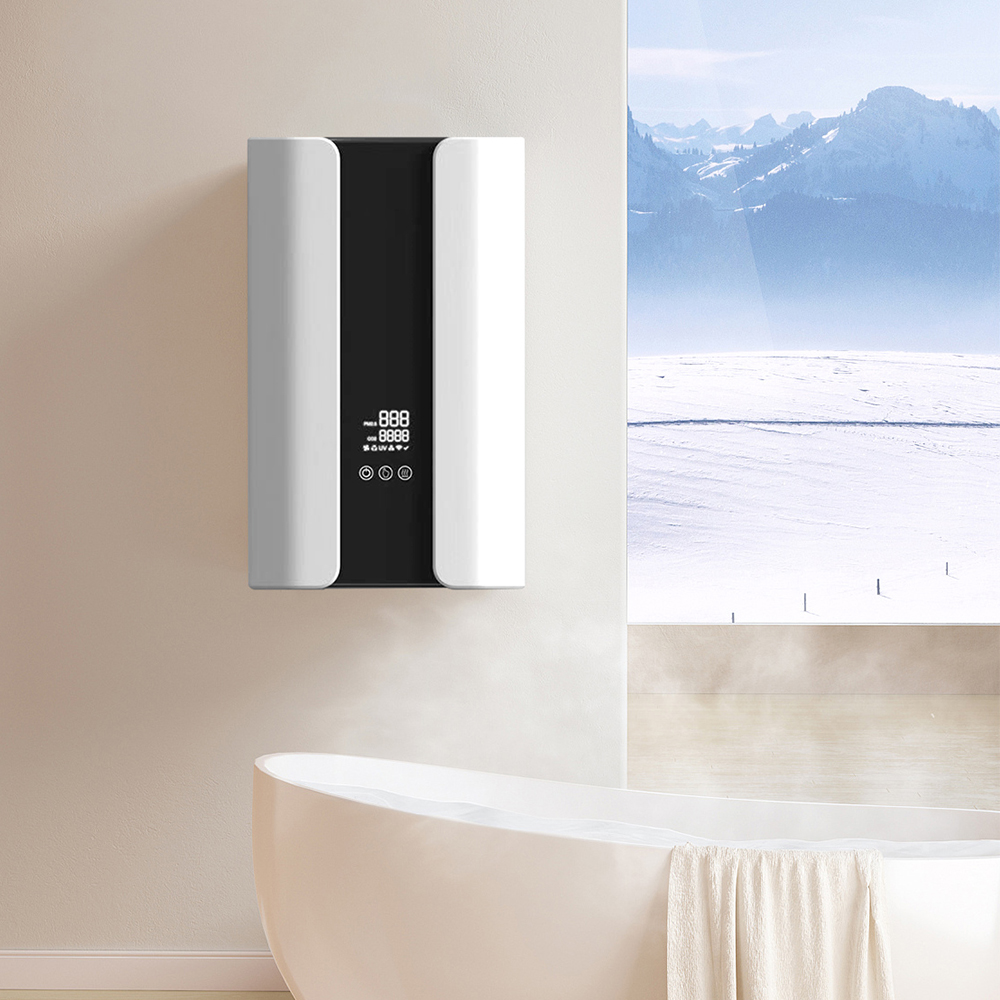
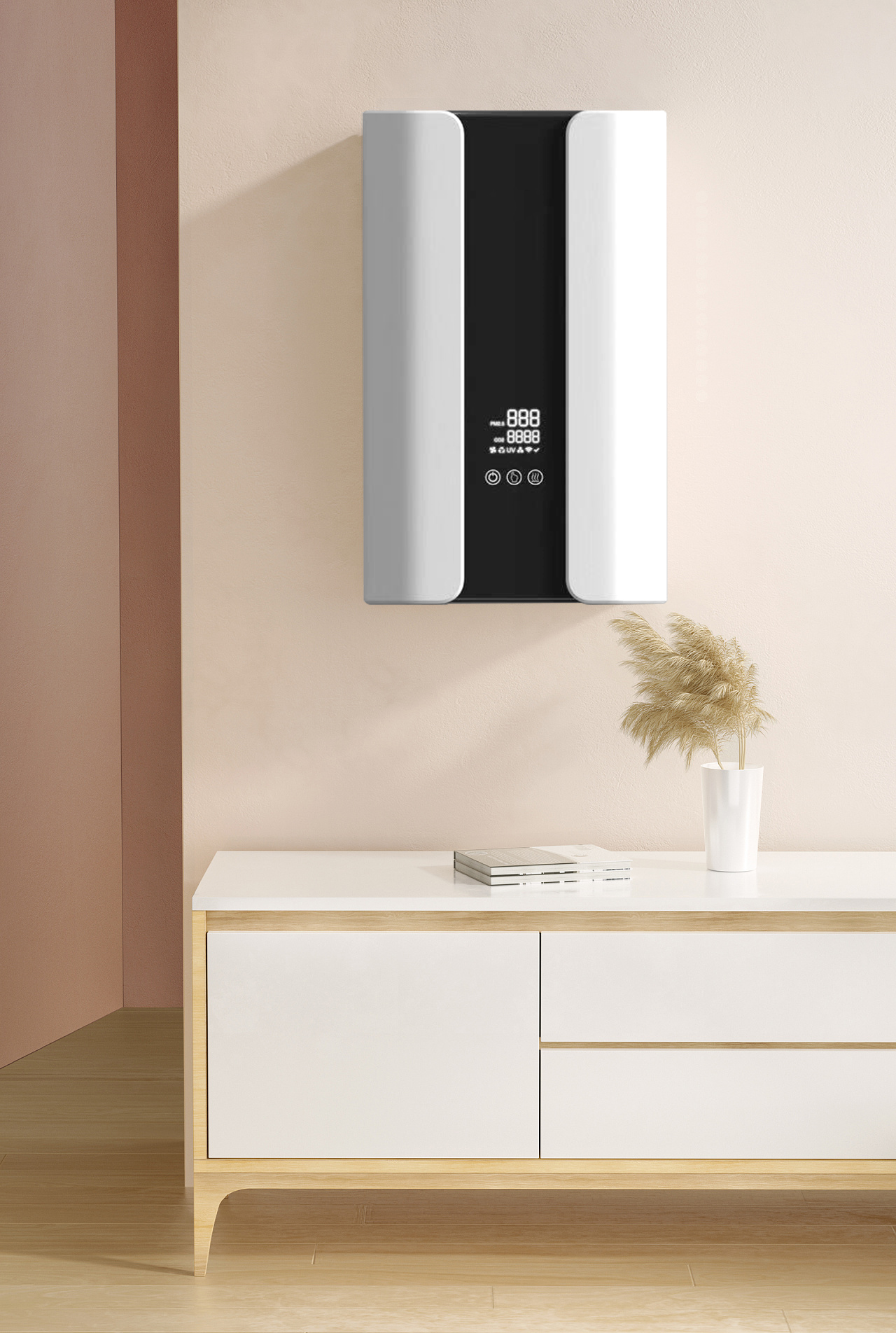
Modern commercial medical air purifiers increasingly offer IoT-enabled monitoring dashboards that track real-time PM2.5, TVOC, CO₂, temperature, humidity, filter differential pressure, UV-C lamp hours, and CADR output. For hospital systems managing dozens or hundreds of units across multiple facilities, centralized monitoring platforms allow infection control teams to identify units approaching maintenance thresholds before performance degrades. Look for suppliers who provide open API access so device data can be integrated into existing building management systems (BMS) or infection control dashboards.
Positioning and Airflow Strategy
Even a correctly sized and well-maintained unit will underperform if positioned poorly. The air purifier for hospital ward deployment should follow these placement principles: position the unit away from corners and walls (minimum 30 cm clearance on all sides); orient the intake toward the primary source zone (patient beds, procedural areas); avoid placement in direct supply air streams from ceiling diffusers, which create short-circuit airflow; and in multi-bed bays, consider two smaller units at opposite ends of the room rather than one large central unit to minimize dead zones.
Why Source from a Qualified Medical Air Purifier Manufacturer
Ningbo Yinyu Purification Technology Co., Ltd is a China-based medical air purifier manufacturer and OEM medical air purifier factory that integrates production and trade within a single facility. Specializing in household appliances, household appliance parts, medical equipment, and disinfection equipment, the company operates an in-house testing laboratory equipped with advanced inspection systems to validate product performance before shipment.
The facility holds ISO 9001 certification covering its full quality management system, and its annual production capacity exceeds 300,000 units—a scale that supports both large hospital system tenders and flexible volume requirements for distributors and regional medical air purifier wholesale buyers. As a direct medical air purifier exporter, the company serves international markets without intermediary markups, and offers OEM medical air purifier programs that allow healthcare procurement teams to specify custom branding, filtration configurations, and control interfaces aligned with their facility's operational standards.
Frequently Asked Questions
Q1. What is a medical grade air purifier and how does it work?
A medical grade air purifier uses a multi-stage filtration system—typically pre-filter, True HEPA H13/H14, and activated carbon—to remove 99.95%–99.995% of airborne particles including bacteria, viruses, and mold spores. Some units add UV-C irradiation to inactivate captured pathogens. These devices meet clinical-grade performance standards verified by third-party testing.
Q2. Medical air purifier vs home air purifier: what's the difference?
Medical air purifiers are built to clinical specifications: sealed HEPA H13/H14 assemblies tested as complete units, higher CADR for larger clinical spaces, 24/7 operational reliability, ozone-free certification, and compatibility with hospital-grade disinfectants. Consumer home purifiers often use lower-grade filters (H11/H12), lack leak-tested housings, and are not rated for continuous clinical use.
Q3. How to choose the best medical air purifier for hospitals?
Match the unit's CADR to the room volume and required ACH (e.g., 12 ACH for ICU). Verify HEPA H13 or H14 filter certification via EN 1822 test reports. Confirm ISO 9001 manufacturing quality, noise levels below 45 dB for critical care, and availability of spare filters. Evaluate total 5-year ownership cost including filter replacement and energy consumption.
Q4. HEPA H13 vs H14 filters: which is better for healthcare?
H13 (99.95% MPPS efficiency) is appropriate for most clinical environments including ICUs, wards, and dental clinics. H14 (99.995%) is recommended for oncology, bone marrow transplant, and pharmaceutical cleanroom environments where even extremely low particle counts are clinically significant. H14 filters have higher airflow resistance and cost, so their use should be clinically justified rather than defaulted to.
Q5. Can medical air purifiers remove viruses and bacteria?
Yes. HEPA H13/H14 filters physically capture particles down to 0.1 µm, which includes most bacteria (0.5–5 µm) and virus-carrying aerosol droplets. Viruses traveling in respiratory droplet nuclei (0.5–5 µm) are highly captured. When combined with UV-C germicidal stages, the units also inactivate pathogens on the filter surface, reducing the risk of microbial re-emission during operation.
Q6. How often should hospital air purifier filters be replaced?
Pre-filters should be checked monthly and replaced every 3–6 months. HEPA filters should be replaced when differential pressure exceeds 200–300 Pa or at 12 months of continuous use. Activated carbon stages need replacement every 6–12 months. UV-C lamps degrade to approximately 70% output by 9,000 hours and should be replaced based on the unit's integrated hour meter.
Q7. What certifications should a hospital air purifier have?
At minimum, look for EN 1822 HEPA filter certification, ISO 9001 manufacturing quality certification, and CE marking for European markets or FDA clearance for U.S. healthcare facilities. Ozone emission compliance (below 0.05 ppm per UL 867) is also essential. For cleanroom or pharmaceutical applications, ISO 14644 compliance documentation may be required.
Q8. Is an OEM medical air purifier program available for hospital procurement?
Yes. Qualified manufacturers offer OEM medical air purifier programs allowing hospitals and distributors to specify custom branding, filtration configurations (HEPA grade, carbon type, UV-C inclusion), control panel interfaces, and packaging. OEM programs are suitable for health systems standardizing devices across multiple facilities or for distributors supplying medical air purifiers wholesale into specific regional markets.