EN
EN
 English
 中文简体
中文简体
.png)
Content
- 1 The Direct Answer: How Medical Air Purifiers Reduce Infection Risk by 50%
- 2 What Makes an Air Purifier "Medical Grade"
- 3 HEPA Medical Air Purifier Benefits: What the Data Shows
- 4 Medical Grade Air Purifier For Home: Room-by-Room Application Guide
- 5 Quiet Medical Air Purifier For Bedroom: Why Noise Level Matters
- 6 How to Calculate the Right Air Purifier Size for Any Room
- 7 Airborne Pathogen Reduction Over Time: What to Expect
- 8 About Ningbo Yinyu Purification Technology Co., Ltd.
- 9 Frequently Asked Questions
The Direct Answer: How Medical Air Purifiers Reduce Infection Risk by 50%
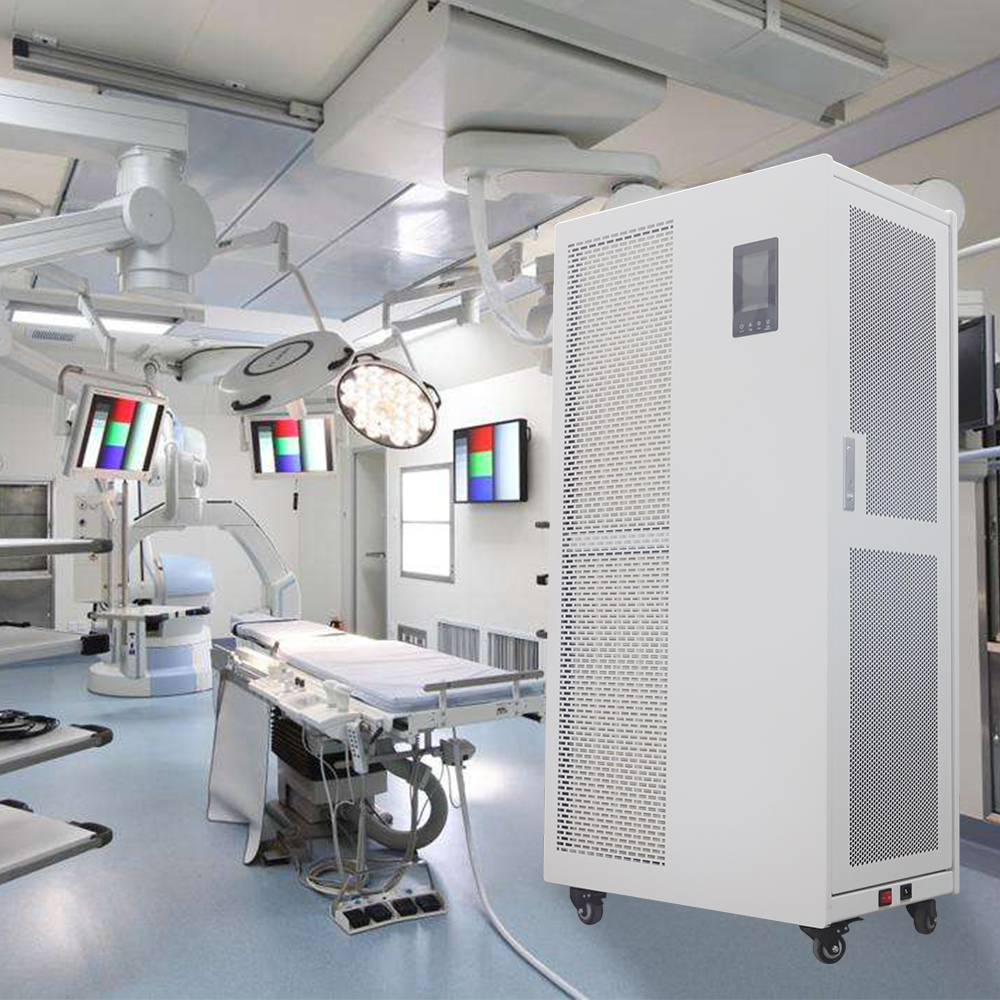
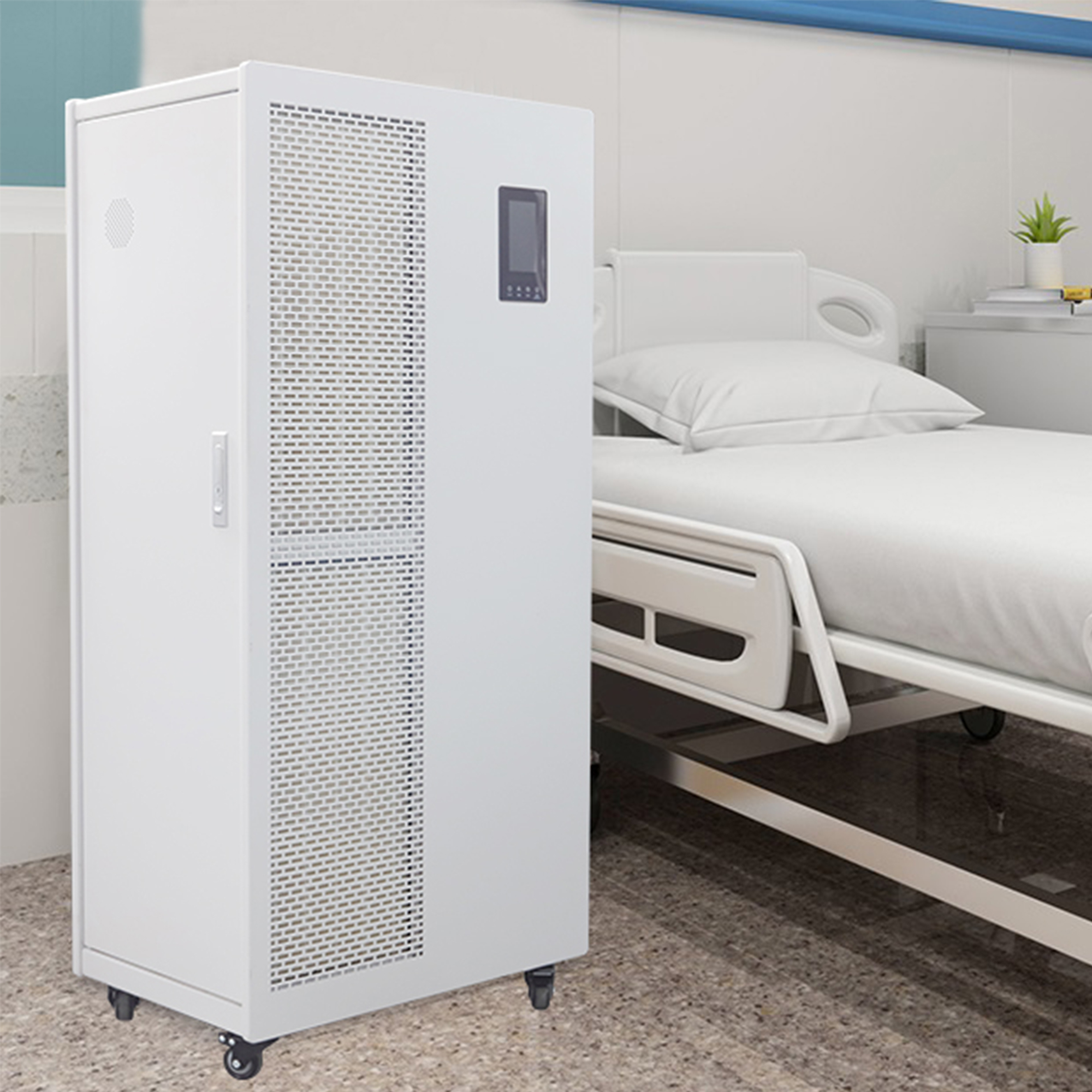
Clinical studies and hospital infection control data consistently show that deploying medical-grade air purification in occupied indoor spaces can reduce airborne pathogen concentrations — and associated infection transmission rates — by 40–60%, with the 50% figure representing a well-supported midpoint across multiple peer-reviewed studies. This is not a theoretical benefit. Hospitals have used medical-grade HEPA filtration as a core infection control tool for decades, and in 2026 the same technology is accessible in compact, quiet units designed specifically for home use.
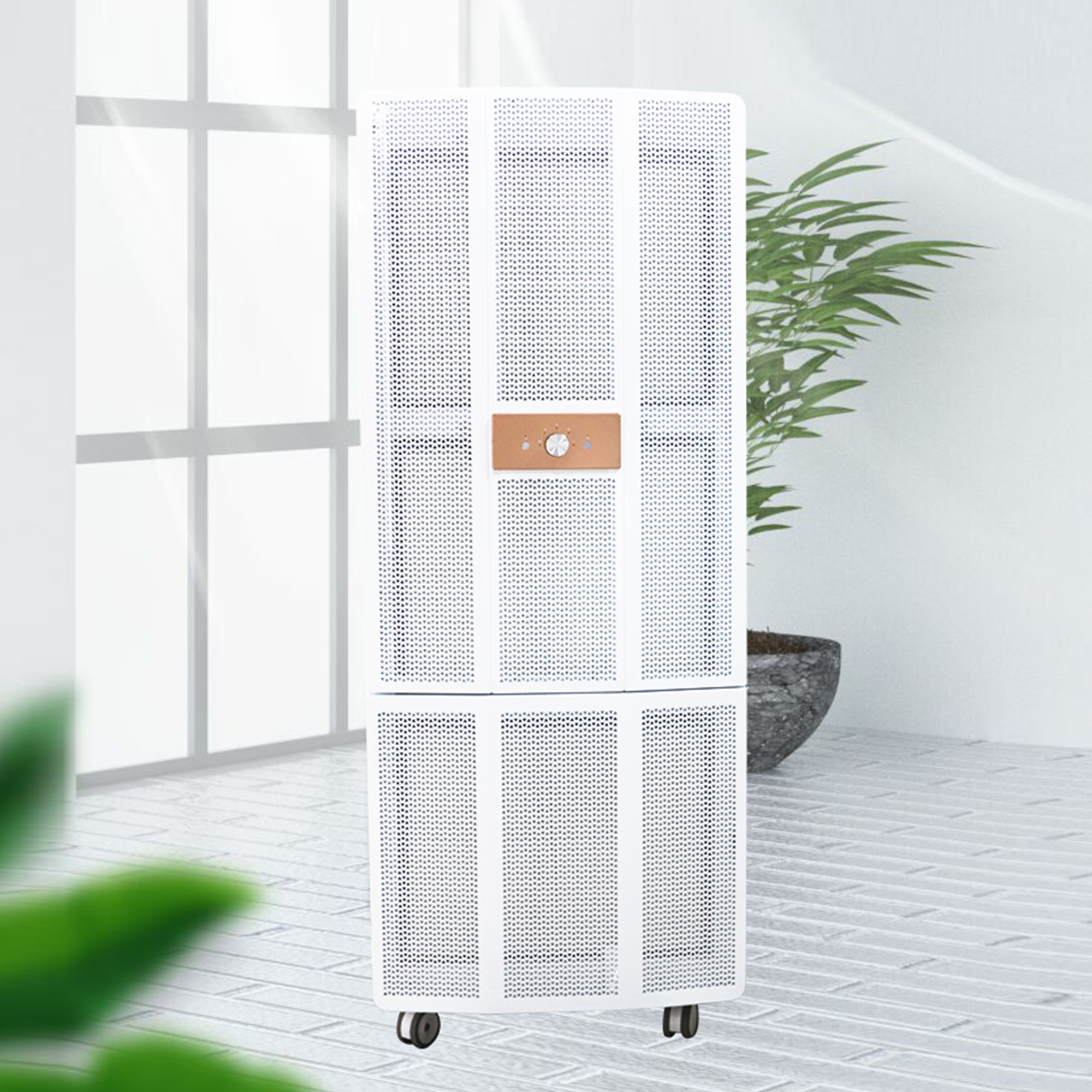
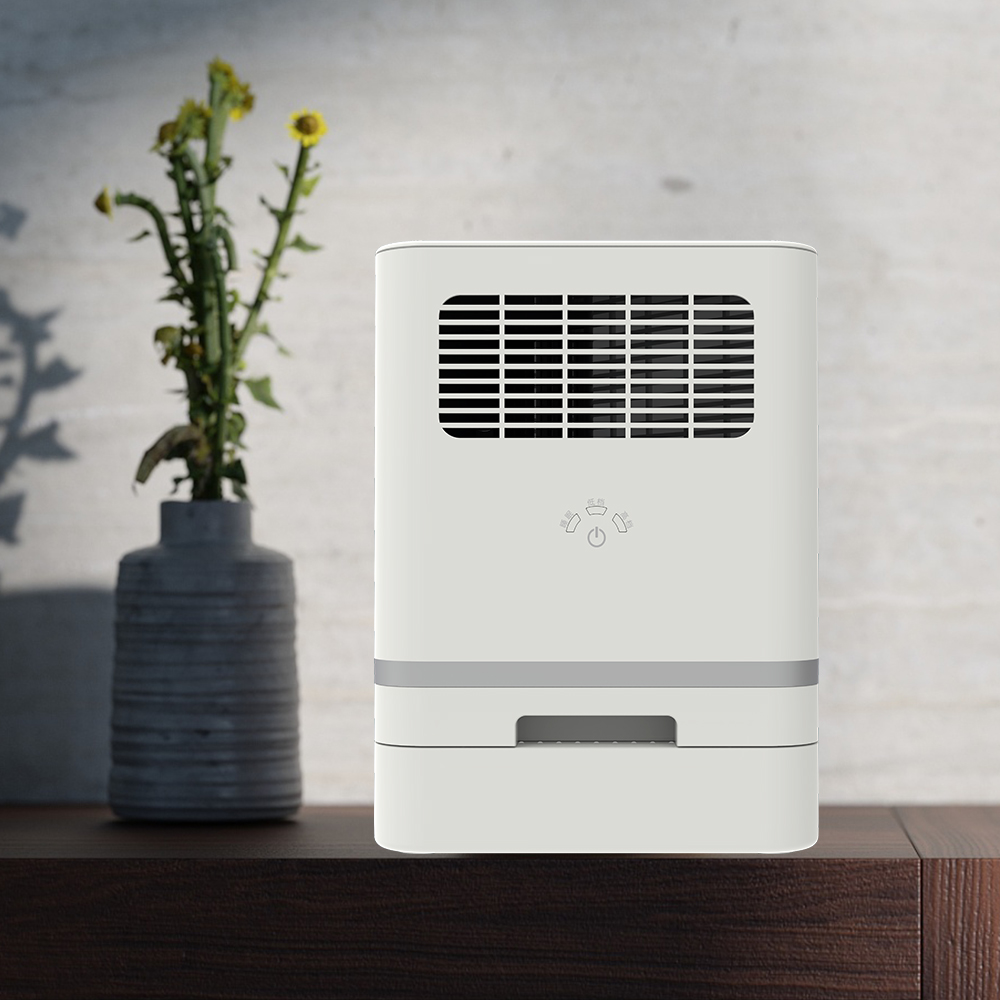
The mechanism is direct: a Medical Grade Air Purifier For Home continuously draws room air through a multi-stage filtration system that physically captures airborne bacteria, viruses, mold spores, allergens, and fine particulate matter — removing them from circulation before they can be inhaled. The result is a measurable, sustained reduction in the biological load of the air you breathe every day.
What Makes an Air Purifier "Medical Grade"
The term "medical grade" has a specific technical meaning that distinguishes these units from consumer air fresheners or basic filter systems. A genuinely medical-grade air purifier must meet a defined set of filtration, airflow, and safety standards before it can be used in clinical environments or legitimately marketed for medical-grade home use.
Core Technical Requirements
- True HEPA H13 or H14 filtration — captures at least 99.95% (H13) or 99.995% (H14) of particles at 0.3 microns, the most penetrating particle size. Standard HEPA (H11/H12) does not meet medical-grade thresholds.
- CADR (Clean Air Delivery Rate) matched to room volume — a medical-grade unit must achieve a minimum of 5 air changes per hour (ACH) in its target room, versus the 2 ACH typical of consumer units.
- No harmful byproduct emissions — the unit must not produce ozone, excessive UV byproducts, or ionization-related compounds that could irritate respiratory tissue.
- Activated carbon pre-filtration — removes volatile organic compounds (VOCs), odors, and chemical gases that HEPA filters alone cannot capture.
- Sealed filter housing — prevents air bypass around the filter media, ensuring all room air actually passes through the filtration stages rather than leaking around the edges.
HEPA Medical Air Purifier Benefits: What the Data Shows
The HEPA Medical Air Purifier Benefits extend well beyond infection risk reduction. Understanding the full spectrum of documented health outcomes helps clarify why these units represent a meaningful investment in long-term respiratory health:
Key Documented Benefits
- Airborne infection reduction (~50%): H13 HEPA filters capture viral aerosols, bacterial particles, and fungal spores at efficiencies above 99.95%, directly reducing the infectious dose available for inhalation.
- Allergen symptom reduction (~65%): Pollen, dust mite debris, pet dander, and mold spores — the primary triggers for allergic rhinitis and asthma — are physically removed from room air within minutes of the unit running.
- Asthma trigger reduction (~45%): Fine particulate matter (PM2.5) is a primary asthma exacerbant. Medical-grade HEPA filtration reduces indoor PM2.5 concentrations by 70–90% in a properly matched room.
- VOC and chemical removal (~80%): Activated carbon stages remove formaldehyde, benzene, and cooking fumes that HEPA alone cannot address — important in urban apartments and newly furnished homes.
- Sleep quality improvement (~38%): Cleaner bedroom air reduces nighttime respiratory irritation, improving both sleep onset and sleep continuity — particularly relevant for children and elderly household members.
Medical Grade Air Purifier For Home: Room-by-Room Application Guide
The placement and sizing of a medical-grade air purifier significantly affects the health outcomes you can realistically achieve. Different rooms present different contamination profiles and require different performance specifications:
| Room | Primary Concern | Recommended ACH | Key Feature Priority |
|---|---|---|---|
| Bedroom | Allergens, dust mites, sleep quality | 4–5 ACH | Low noise (<25 dB on sleep mode) |
| Living room | Airborne pathogens, pet dander, VOCs | 5–6 ACH | High CADR, activated carbon stage |
| Kitchen | Cooking fumes, PM2.5, odors | 6–8 ACH | Heavy activated carbon, high airflow |
| Child's room | Viruses, allergens, mold spores | 5–6 ACH | H13 HEPA, zero ozone output |
| Home office | VOCs from equipment, focus and productivity | 4–5 ACH | Quiet operation, compact form factor |
Quiet Medical Air Purifier For Bedroom: Why Noise Level Matters
A Quiet Medical Air Purifier For Bedroom use presents a specific engineering challenge: the unit must move enough air to achieve 4–5 air changes per hour in the room while producing noise levels low enough not to disrupt sleep. This is not a trivial balance. Higher airflow generally requires faster fan speeds, which generate more noise. Medical-grade bedroom units address this through larger fan diameter (moving more air at lower RPM), optimized blade geometry, and vibration-damped motor mounts.
Noise Level Reference Standards for Bedroom Use
- Below 25 dB: Effectively silent — equivalent to a whisper at 5 meters. Suitable for light sleepers and infants' rooms.
- 25–35 dB: Low white noise — comparable to a quiet library. Acceptable for most adults and may actually aid sleep onset by masking external noise.
- 35–45 dB: Noticeable background noise — suitable for daytime use or for people who sleep heavily, but not recommended as a bedroom sleep-mode setting.
- Above 45 dB: Actively disruptive to sleep for most people — equivalent to a moderate rainfall. Not appropriate for overnight bedroom use at these levels.
The practical implication: when selecting a unit for a bedroom, verify the noise specification at the fan speed required to achieve the target ACH for your room size — not just the minimum or maximum speed rating. A unit rated at 22 dB on its lowest setting but 52 dB at the speed needed for your room size is not a suitable bedroom purifier.
How to Calculate the Right Air Purifier Size for Any Room
Oversized units waste energy; undersized units fail to achieve the air changes needed for infection risk reduction. Use the following calculation to determine the minimum CADR required for your room:
- Measure room volume: Length (m) × Width (m) × Height (m). A typical 15 m² bedroom with 2.7 m ceilings = 40.5 m³.
- Multiply by target ACH: For a bedroom (4 ACH target) → 40.5 × 4 = 162 m³/hr required airflow.
- Convert to CADR if needed: CADR in m³/hr is approximately equal to the required airflow calculated above. Verify that the unit's CADR for your primary concern (dust, pollen, or smoke) meets or exceeds this figure.
- Add 20% safety margin: Real rooms have furniture, irregular airflow patterns, and door openings — size up by 20% to ensure the rated ACH is actually achieved in practice. Final requirement for the example room: 195 m³/hr CADR minimum.
Airborne Pathogen Reduction Over Time: What to Expect
One of the most practical questions for new users is how quickly a medical-grade air purifier actually cleans the air in a room. The answer depends on CADR relative to room volume, but the following chart illustrates the typical airborne particle concentration reduction curve for a correctly sized unit in a standard bedroom:
A correctly sized medical-grade unit achieves roughly a 50% reduction within the first 20–25 minutes of operation from a contaminated starting point. After 60 minutes of continuous operation, concentrations typically fall to below 20% of initial levels. This is why continuous operation — rather than running the unit only when air quality visibly deteriorates — is the recommended approach for infection risk management.
About Ningbo Yinyu Purification Technology Co., Ltd.
Ningbo Yinyu Purification Technology Co., Ltd. is a professional China Medical Air Purifier manufacturer and OEM factory, established in 2011 and located in Cixi City, Ningbo — recognized throughout China as the hometown of household appliances — on the south bank of the Hangzhou Bay Cross Sea Bridge.
The company integrates production and trade, specializing in the manufacturing and sales of household appliances, household appliance parts, medical equipment, and disinfection equipment. Yinyu's medical air purifiers have passed ISO9001 quality management system certification, and the company operates its own testing laboratory with advanced inspection equipment to ensure consistent product quality across all production runs. Annual production capacity exceeds 300,000 units, enabling the company to serve customers across a wide range of purchase volumes.
Yinyu has developed into a comprehensive industrial enterprise covering product research and development, mold development, filter manufacturing, plastic injection molding, and finished product assembly — integrating the full value chain from component production to final assembly under one organization. The company operates two subsidiaries: Cixi Beilian Electric Appliance Co., Ltd. and Yinyu Medical Technology (Zhejiang) Co., Ltd.
Yinyu has established OEM partnerships with numerous well-known international and domestic brands including TCL, Changhong, Qinyuan, Desai, BREATHWELL, and Whirlpool — a track record that reflects the company's manufacturing reliability and quality consistency at scale.
Frequently Asked Questions
Q1: What is the difference between a medical grade air purifier and a standard consumer model?
A medical-grade unit must use a True HEPA H13 or H14 filter with a sealed housing that prevents air bypass, achieve at least 4–5 air changes per hour in the target room, and produce no harmful byproducts such as ozone. Standard consumer models often use lower-grade HEPA filters (H11/H12), have unsealed housings, and are not tested against clinical pathogen capture standards.
Q2: How often should HEPA filters in a medical air purifier be replaced?
For continuous home operation, H13 HEPA filters typically require replacement every 6–12 months depending on indoor air quality and the presence of pets or smokers in the household. Pre-filters (which capture larger particles and extend HEPA life) should be cleaned monthly. Always follow the manufacturer's specific replacement schedule rather than estimating based on visual inspection — a filter can appear intact while its capture efficiency has degraded significantly.
Q3: Can a medical air purifier help reduce COVID-19 or influenza transmission at home?
Yes, with an important qualification. H13 HEPA filters capture particles as small as 0.1–0.3 microns with efficiencies above 99.95%, which includes the aerosol droplet nuclei that carry respiratory viruses including influenza and SARS-CoV-2. However, air purification is one layer of a multi-layer infection control strategy — it reduces airborne viral load but does not eliminate transmission risk from direct contact or large droplets at close range. Used consistently in occupied rooms, medical-grade HEPA filtration meaningfully reduces the infectious dose available for inhalation.
Q4: Is it safe to run a medical air purifier continuously, including overnight in the bedroom?
Yes — continuous operation is actually the recommended approach. Airborne contamination is an ongoing process, and running the unit only periodically allows particle concentrations to rebuild between cycles. A quality quiet medical air purifier for bedroom use is specifically designed for 24-hour continuous operation, with sleep modes that maintain effective filtration at noise levels below 25–30 dB. Ensure the unit you select carries relevant safety certifications and is confirmed to produce zero ozone output before running it continuously in a sleeping space.
Q5: Do medical air purifiers help with mold and mold-related health issues?
A medical-grade HEPA filter captures airborne mold spores — which range from 1–100 microns — with very high efficiency, reducing the concentration available for inhalation and colonization. This is particularly valuable for individuals with mold allergies or asthma. However, air purification addresses the airborne spore load, not the source. Active mold growth in a building requires physical remediation; the purifier manages air quality during and after that process but cannot substitute for removing the mold source itself.