EN
EN
 English
 中文简体
中文简体
.png)
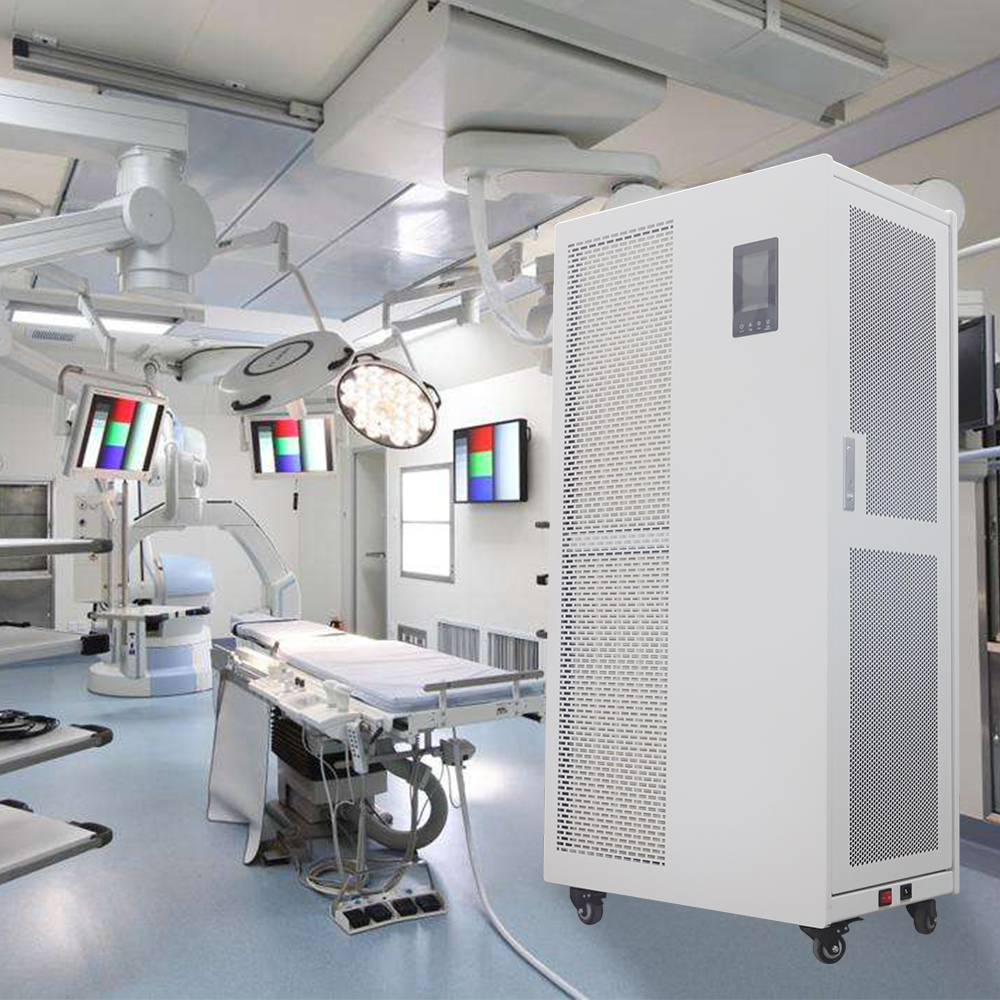
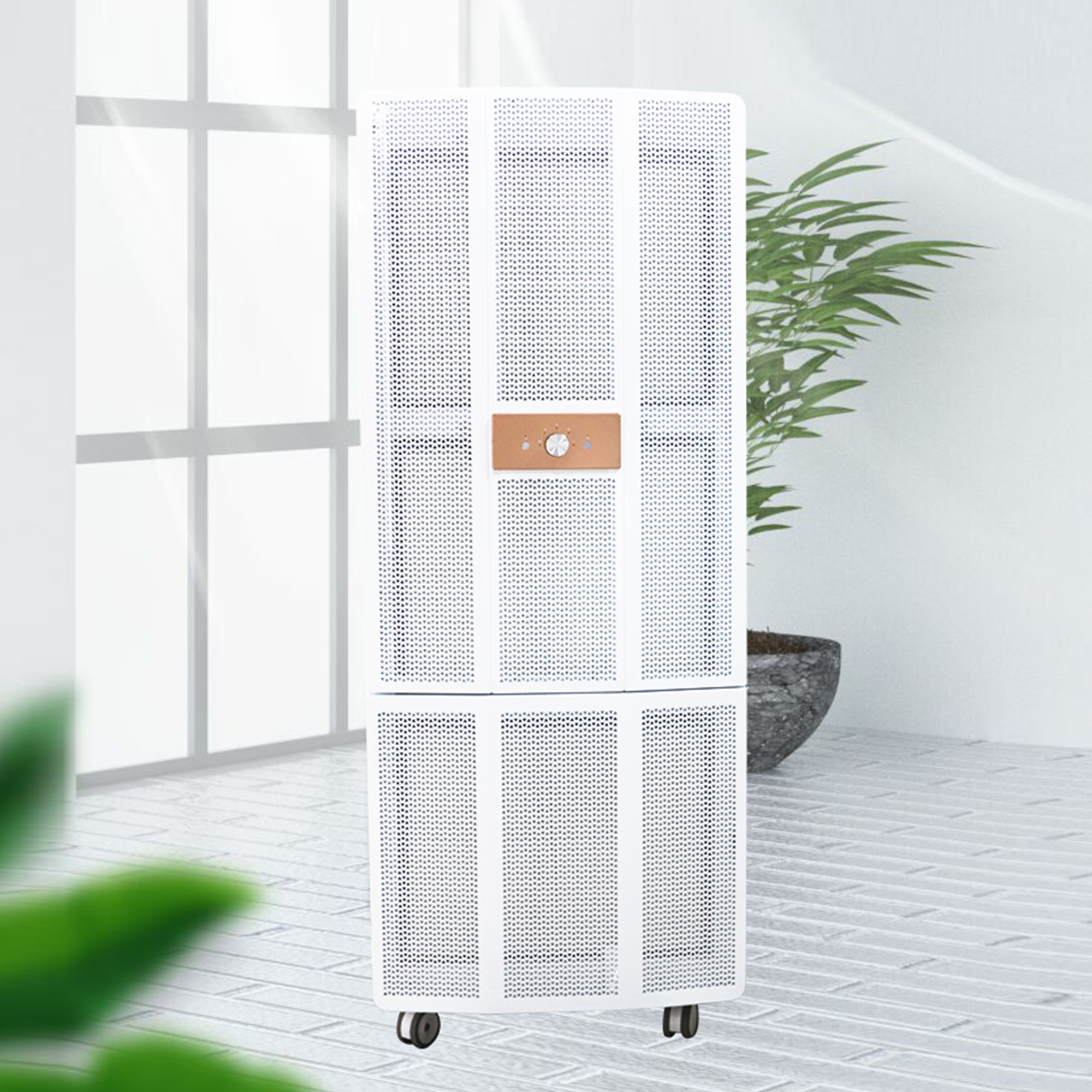
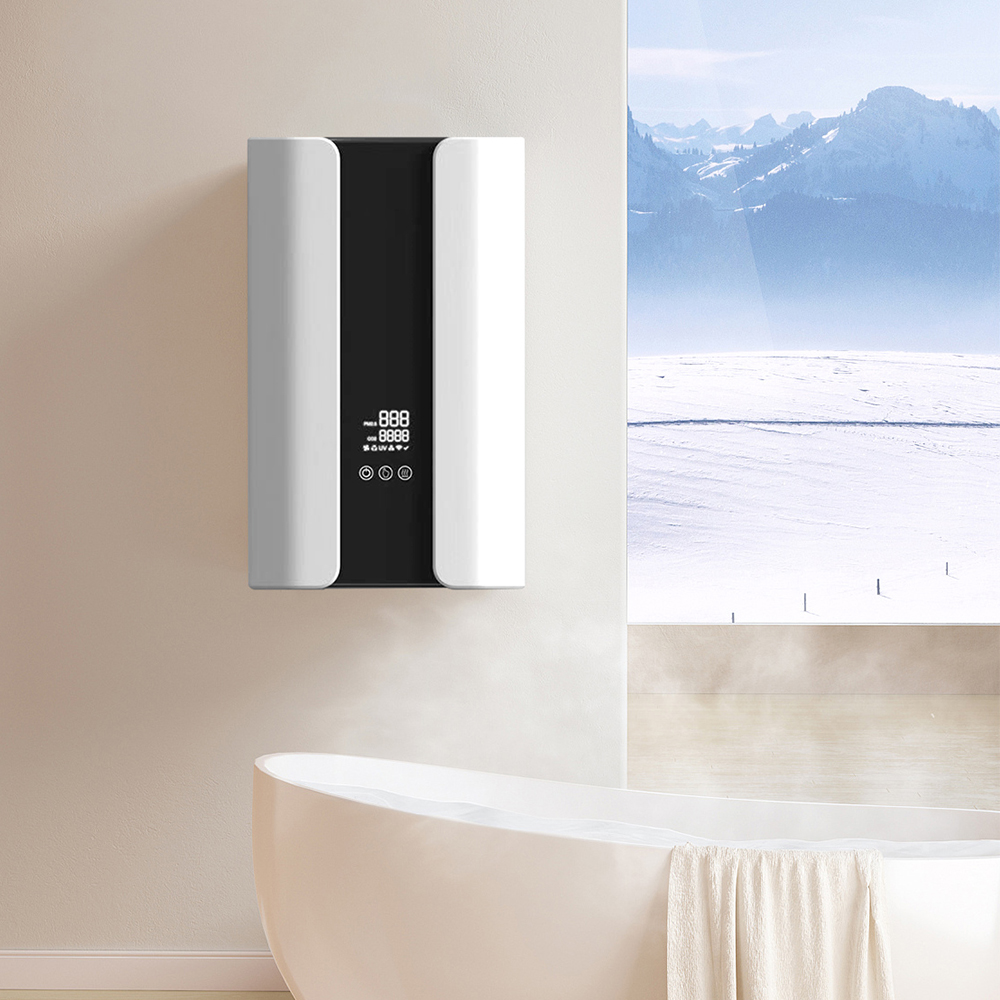
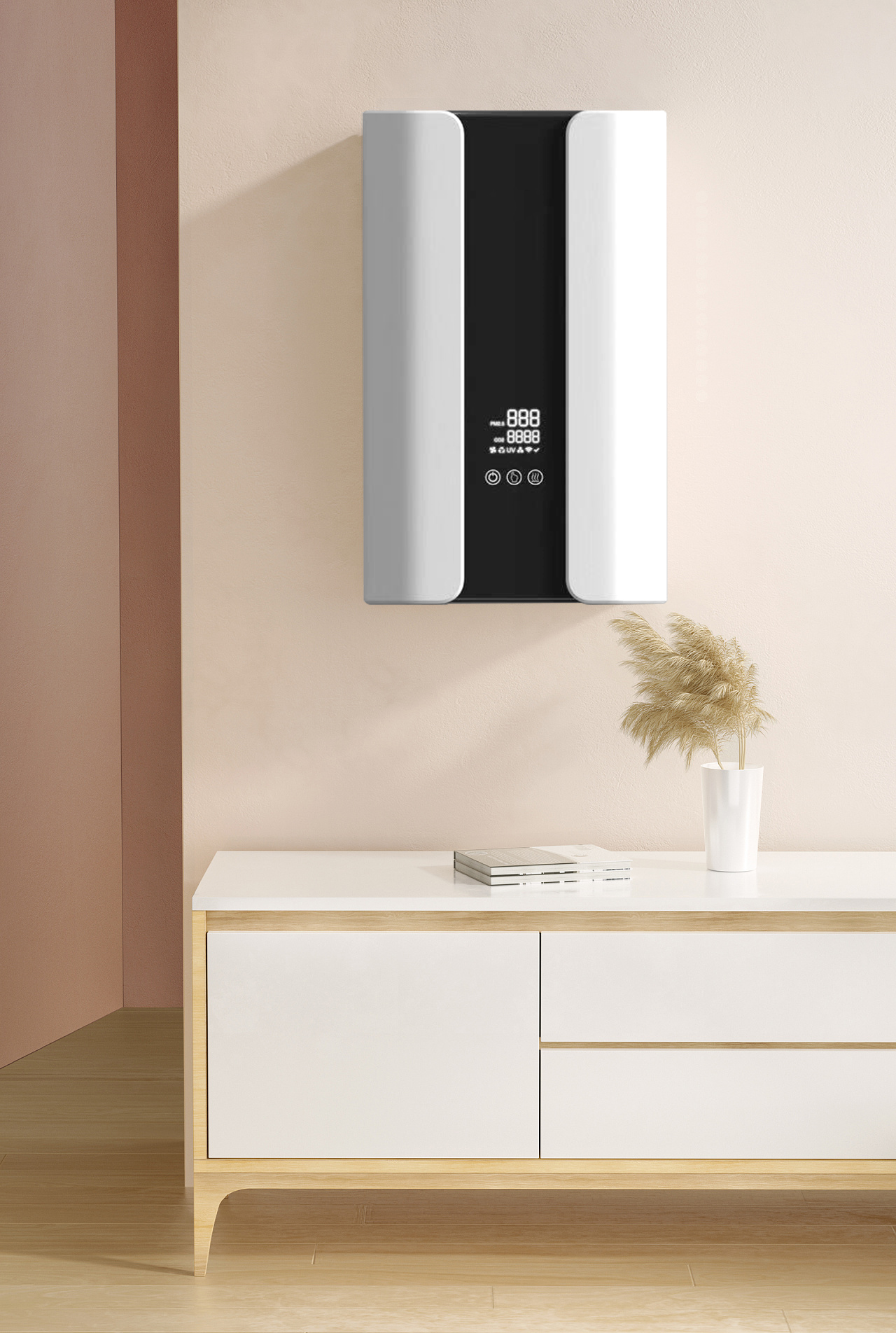
A medical air purifier improves indoor air quality by combining multi-stage filtration — including true HEPA filters, activated carbon layers, and UV-C sterilization — to remove 99.97% of airborne particles as small as 0.3 microns, including bacteria, viruses, mold spores, fine dust (PM2.5), and volatile organic compounds (VOCs). Unlike standard consumer air purifiers, medical-grade units are engineered to meet clinical performance standards, making them effective not just in hospitals and clinics but also in homes, schools, and offices where vulnerable individuals need reliable protection from airborne pathogens.
This guide explains exactly how these devices work, what filtration technologies matter most, how to select the right unit for your space, and what to look for when sourcing from Medical Purifier Manufacturers or evaluating Medical Air Purifier Suppliers.
Content
- 1 What Separates a Medical Air Purifier from a Standard One
- 2 Core Filtration Technologies and How Each One Works
- 3 Key Application Environments and Their Requirements
- 4 How to Calculate the Right Unit Size for Your Space
- 5 Measurable Health and Environmental Benefits
- 6 What to Look for When Sourcing from Medical Purifier Suppliers
- 7 Maintenance Requirements That Protect Long-Term Performance
- 8 About Ningbo Yinyu Purification Technology Co., Ltd.
- 9 Frequently Asked Questions
What Separates a Medical Air Purifier from a Standard One
The term "air purifier" covers a wide spectrum of products. What sets a medical air purifier apart is not marketing language — it is verifiable performance standards, validated filtration efficiency, and design requirements that ordinary consumer units are not required to meet.
- True HEPA H13 or H14 classification: Captures particles at 99.97% (H13) or 99.995% (H14) efficiency at 0.3 microns — the most penetrating particle size
- Higher Clean Air Delivery Rate (CADR): Medical units typically deliver 300–600 m³/h of filtered air versus 100–200 m³/h for basic home models
- Active sterilization technology: UV-C lamps or photocatalytic oxidation (PCO) that inactivate pathogens rather than merely trapping them
- Low ozone emissions: Medical purifiers comply with ozone output limits below 0.05 ppm — critical for respiratory patients
- Sealed housing construction: Prevents air bypass around the filter, ensuring every cubic meter of processed air passes through the full filtration stack
These specifications are the reason that hospitals, cleanrooms, and isolation wards rely on medical-grade purification — and why healthcare procurement teams specifically seek certified Medical Purifier Manufacturers when sourcing for clinical environments.
Core Filtration Technologies and How Each One Works
Medical air purifiers use layered filtration systems where each stage targets a different class of airborne contaminant. Understanding each stage helps you evaluate whether a given unit is genuinely suited to medical environments.
Pre-Filter (Coarse Particle Stage)
The pre-filter captures large particles — hair, dust, pet dander, and lint — before they reach finer layers. This extends the service life of downstream HEPA filters by 40–60%, reducing total maintenance cost over the product's lifespan.
True HEPA Filter (Fine Particle Stage)
High-Efficiency Particulate Air (HEPA) filters use a dense mat of randomly arranged fibers to capture particles through three mechanisms: impaction, interception, and diffusion. At H13 grade, this eliminates airborne bacteria (0.5–5 microns), most viruses when attached to respiratory droplets (1–5 microns), fungal spores (2–10 microns), and fine particulate matter (PM2.5 at 2.5 microns and below).
Activated Carbon Filter (Chemical and Odor Stage)
Activated carbon adsorbs VOCs, formaldehyde, benzene, ammonia, and disinfectant chemical residues that HEPA filters cannot capture. Medical environments frequently generate high VOC loads from cleaning agents and medications. A high-quality activated carbon stage uses granular carbon with a surface area exceeding 1,000 m² per gram — far more effective than thin carbon-impregnated sheets found in budget models.
UV-C Sterilization (Pathogen Inactivation Stage)
Ultraviolet-C light at wavelengths of 254 nm disrupts the DNA and RNA of microorganisms, preventing replication. Even if a pathogen is not captured by the HEPA filter, UV-C exposure inactivates it before the air exits the unit. Effective UV-C systems achieve a 99.9% bacterial kill rate against common pathogens including E. coli, Staphylococcus aureus, and influenza viruses under controlled exposure conditions.
Negative Ion Generator (Optional Enhancement)
Some medical purifiers include a negative ion generator that emits charged ions causing fine particles to clump together and fall out of the air, or attach to surfaces for easy cleaning. When paired with HEPA filtration, this can accelerate particle removal in large open spaces where air circulation is slower.
Key Application Environments and Their Requirements
Different environments place different demands on air purification systems. The table below compares common deployment settings and the performance specifications each requires:
| Environment | Key Contaminants | Minimum HEPA Grade | Recommended CADR |
|---|---|---|---|
| Hospital ward / ICU | Bacteria, viruses, HAIs | H14 | 500–600 m³/h |
| Dental / outpatient clinic | Aerosols, VOCs, pathogens | H13 | 300–500 m³/h |
| School classroom | PM2.5, CO₂, viruses | H13 | 250–400 m³/h |
| Home (allergy / asthma) | Pollen, dust mites, mold | H13 | 150–300 m³/h |
| Cleanroom / laboratory | Sub-micron particles, contamination | H14 / U15 | 600+ m³/h |
| Office / commercial space | VOCs, PM2.5, odors | H12–H13 | 200–350 m³/h |
How to Calculate the Right Unit Size for Your Space
Selecting a medical air purifier that is correctly sized for your room is critical. An undersized unit will not achieve sufficient air changes per hour (ACH); an oversized unit wastes energy and generates unnecessary noise.
The standard formula for determining required CADR is:
Required CADR (m³/h) = Room Volume (m³) × Target ACH
Example: A 50 m² room with 2.8 m ceiling height = 140 m³. At 6 ACH (clinical standard): 140 × 6 = 840 m³/h total. Two units of 420 m³/h CADR each would meet this requirement.
Recommended ACH benchmarks by setting:
- General hospital rooms: 6 ACH minimum (CDC guideline)
- Airborne infection isolation rooms: 12 ACH minimum
- Operating theaters: 15–25 ACH
- Home use (allergy management): 4–5 ACH
- Classrooms and offices: 4–6 ACH
Measurable Health and Environmental Benefits
The Motorcycle Spark Plug Benefits argument applies here too — the right specification delivers measurable outcomes. For medical air purifiers, published research and clinical field studies consistently document the following:
- Up to 65% reduction in airborne transmission risk for respiratory viruses in enclosed spaces (published data, general hospital settings)
- Reduced allergy and asthma symptoms: HEPA filtration removes pollen and dust mite allergens that trigger 80% of asthma attacks in sensitive patients
- Formaldehyde removal: Activated carbon stages capture formaldehyde concentrations from newly furnished rooms from 0.1–0.3 mg/m³ down to below the WHO safe limit of 0.1 mg/m³ within 2–4 hours
- Improved sleep quality: Studies link clean bedroom air (PM2.5 below 10 μg/m³) to measurably deeper, less interrupted sleep
- Healthcare-associated infection (HAI) reduction: Properly specified HEPA systems in hospital isolation rooms have contributed to infection rate reductions of 20–40% in multiple peer-reviewed facility studies
What to Look for When Sourcing from Medical Purifier Suppliers
For procurement managers, distributors, and healthcare facility operators evaluating Medical Air Purifier Suppliers or seeking Medical Purifier Wholesale partnerships, the following criteria distinguish reliable manufacturers from commodity producers:
Certifications and Compliance
Confirm that the supplier holds ISO 9001 quality management certification and that their HEPA filter claims are backed by independent third-party test reports — not merely self-declared specifications. For medical device classification in many markets, additional regulatory clearances may apply.
In-House Testing Capability
Suppliers with dedicated testing laboratories can provide batch-level performance data — CADR, filter efficiency, ozone output, and noise levels — for each production run. This is essential for procurement at scale, where product consistency across large orders directly impacts patient safety.
OEM and Customization Support
Healthcare distributors and institutional buyers often require branded or customized units. Leading Medical Purifier Manufacturers offer OEM services — custom housing colors, private labeling, modified filter configurations, and region-specific electrical standards — while maintaining production quality across all variants.
Production Capacity and Lead Times
Evaluate annual production capacity against your projected order volumes. Suppliers with capacities exceeding 300,000 units per year can fulfill large institutional and wholesale orders without extended lead times, and can accommodate flexible purchase quantities for buyers at different stages of scaling.
| Evaluation Criterion | What to Verify | Why It Matters |
|---|---|---|
| Quality certification | ISO 9001 certificate validity | Confirms management system integrity |
| HEPA filter grade | Third-party H13/H14 test report | Prevents "HEPA-type" grade substitution |
| CADR rating | Independent lab CADR test | Confirms real-world air delivery performance |
| Ozone output | Ozone emission test (< 0.05 ppm) | Safety compliance for occupied spaces |
| OEM capability | Sample customization turnaround time | Flexibility for branded distribution programs |
| Annual capacity | Factory audit or declared output | Ensures scalable wholesale supply |
Maintenance Requirements That Protect Long-Term Performance
A medical air purifier is only as effective as its maintenance schedule. Neglected filters do not just underperform — they can become reservoirs for trapped pathogens and release contaminants back into the air.
- Pre-filter: Clean or replace every 2–4 weeks in high-dust environments; every 1–3 months in low-traffic spaces
- HEPA filter: Replace every 12–18 months under continuous operation; earlier if the unit's filter-life indicator activates
- Activated carbon filter: Replace every 6–12 months — carbon becomes saturated and loses adsorption capacity without visible indication
- UV-C lamp: Replace every 8,000–10,000 hours of operation (approximately 12 months at 24/7 use); output degrades with age even if the lamp still illuminates
- Housing and intake vents: Wipe down monthly to prevent external dust accumulation from impeding airflow
Facilities that establish a documented maintenance log for each unit typically sustain 15–20% higher filtration efficiency over a five-year operational period compared to units with irregular servicing.
About Ningbo Yinyu Purification Technology Co., Ltd.
Ningbo Yinyu Purification Technology Co., Ltd. is a professional China Medical Air Purifier manufacturer and OEM Medical Air Purifier Factory, integrating production and trade. The company dedicates itself to the manufacturing and selling of household appliances, household appliance parts, medical equipment, and disinfection equipment.
Yinyu's wholesale Medical Air Purifiers have passed ISO 9001 quality management system certification. The company operates its own testing laboratory equipped with advanced, complete inspection equipment, ensuring consistent product quality across every production batch. With an annual production capacity exceeding 300,000 units, Yinyu can reliably meet the needs of customers across different purchase quantities — from individual distributors to large-scale institutional buyers.
As a trusted partner for global Medical Purifier Wholesale buyers and distributors, Yinyu provides full OEM support, flexible order customization, and a supply chain built for reliability — making it a preferred choice among international Medical Air Purifier Suppliers seeking a manufacturing partner with both technical depth and production scale.