EN
EN
 English
 中文简体
中文简体
.png)
With increasing awareness of air quality and health protection, "medical air purifiers," a professional piece of equipment, are gradually entering the public eye. Many families wonder when choosing an air purifier: are medical air purifiers suitable for home use? Are they safer and more effective than ordinary purifiers?
To help consumers make more informed choices, this article will analyze medical air purifiers from the perspectives of function, purification effect, and applicable scenarios, allowing you to clearly understand whether medical air purifiers are suitable for home use.
Content
1. What is a medical air purifier?
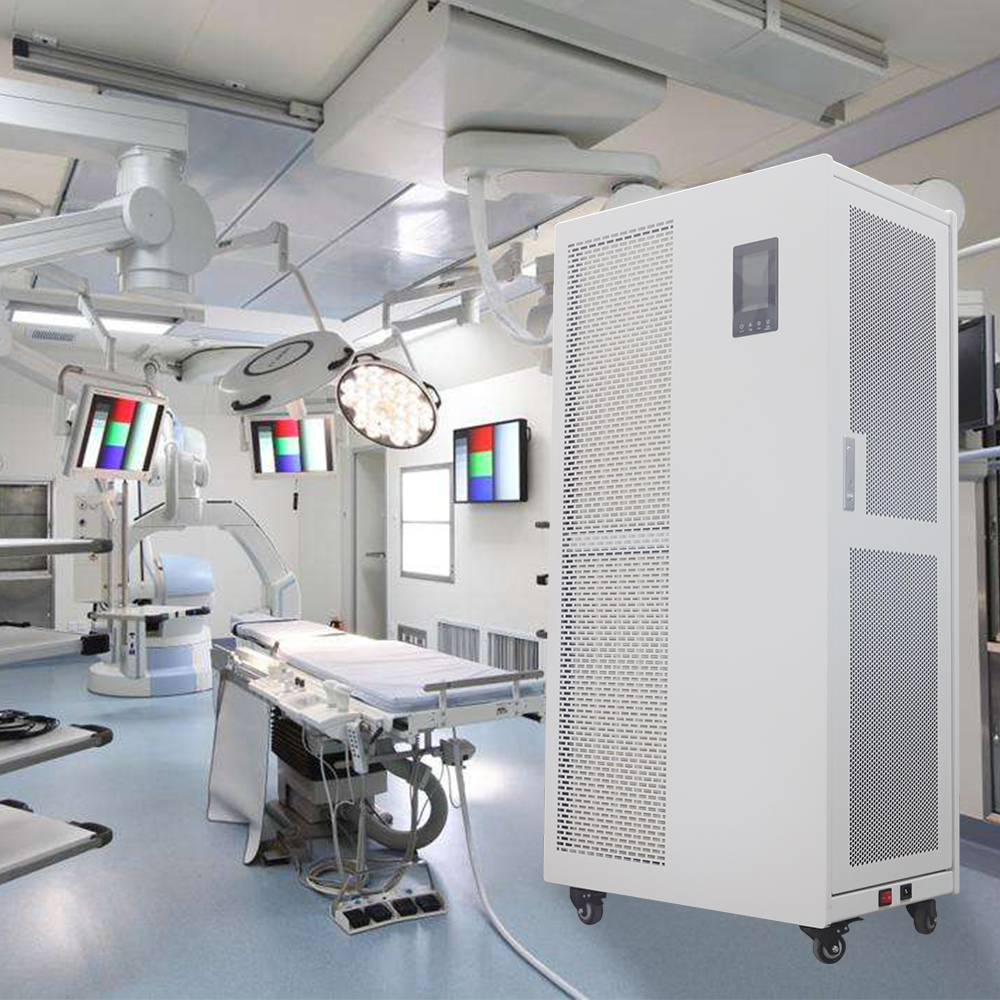
Medical air purifiers are primarily used in medical environments such as hospitals, clinics, and laboratories. Their core objectives are:
Reducing bacteria, viruses, particulate matter, and harmful gases in the air
Reducing the risk of cross-infection
Meeting national medical air purification standards (such as disinfection-level purification requirements)
Medical purifiers typically employ a multi-stage purification system, including:
High-efficiency HEPA filtration
H13–H14 medical-grade filter materials
Ultraviolet (UV) sterilization
Plasma/photocatalytic disinfection technology
Activated carbon adsorption of organic gases
Their stability, sterilization effect, and filtration efficiency are often far superior to ordinary household air purifiers.
2. Can medical air purifiers be used at home?
The answer is: yes, and they are very suitable in certain home scenarios.
Especially in the following situations:
Families with elderly people, children, pregnant women, or other people with weak immune systems
Families with members who suffer from chronic coughs, asthma, or respiratory sensitivities
Families where someone smokes regularly
Homes with pets, renovation odors, or a lot of dust
People who are particularly sensitive to airborne bacteria and viruses
Living environments near construction sites or areas with heavy traffic
Medical air purifiers offer significant advantages in these scenarios:
Stronger bacterial and viral purification capabilities
More stringent air treatment standards
More stable purification performance
Higher filtration grade
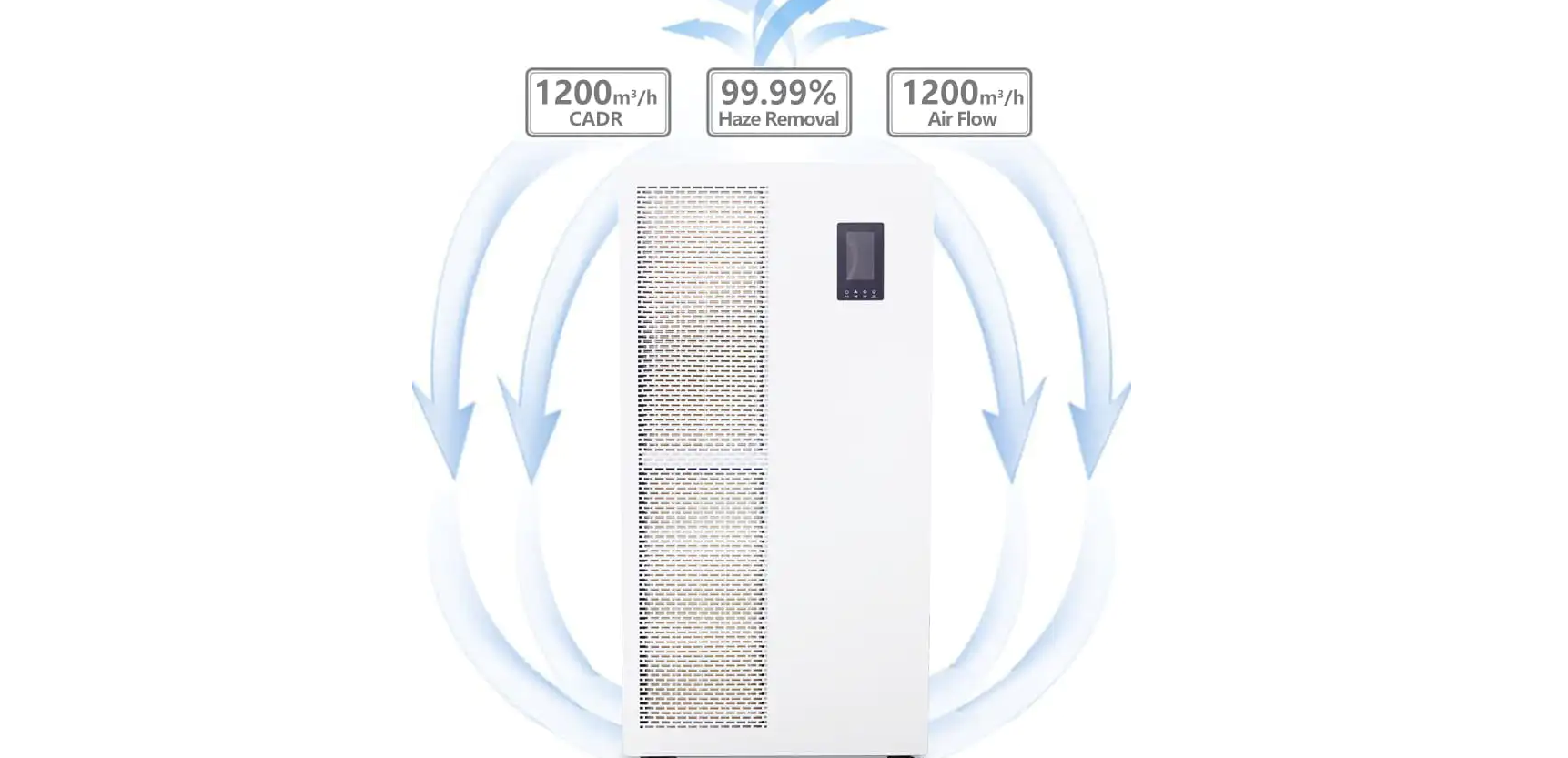
3. What are the advantages of medical air purifiers?
(1) Higher-Grade Filtration System
Medical-grade air purifiers typically use:
H13–H14 grade HEPA filters (capable of filtering over 99.97% of 0.3μm particles)
Multi-layer composite filtration structure
Higher sealing standards
They offer significant advantages in filtering bacteria, viruses, PM2.5, and allergens.
(2) Stronger Air Sterilization Capability
Ordinary air purifiers primarily focus on "filtration," only intercepting pollutants.
Medical-grade air purifiers, however, combine "filtration + sterilization":
UV-C deep ultraviolet sterilization
Plasma or active oxygen disinfection
Photocatalytic decomposition of harmful gases
They are more reliable in preventing bacterial residue and secondary pollution.
(3) Higher Air Circulation Efficiency
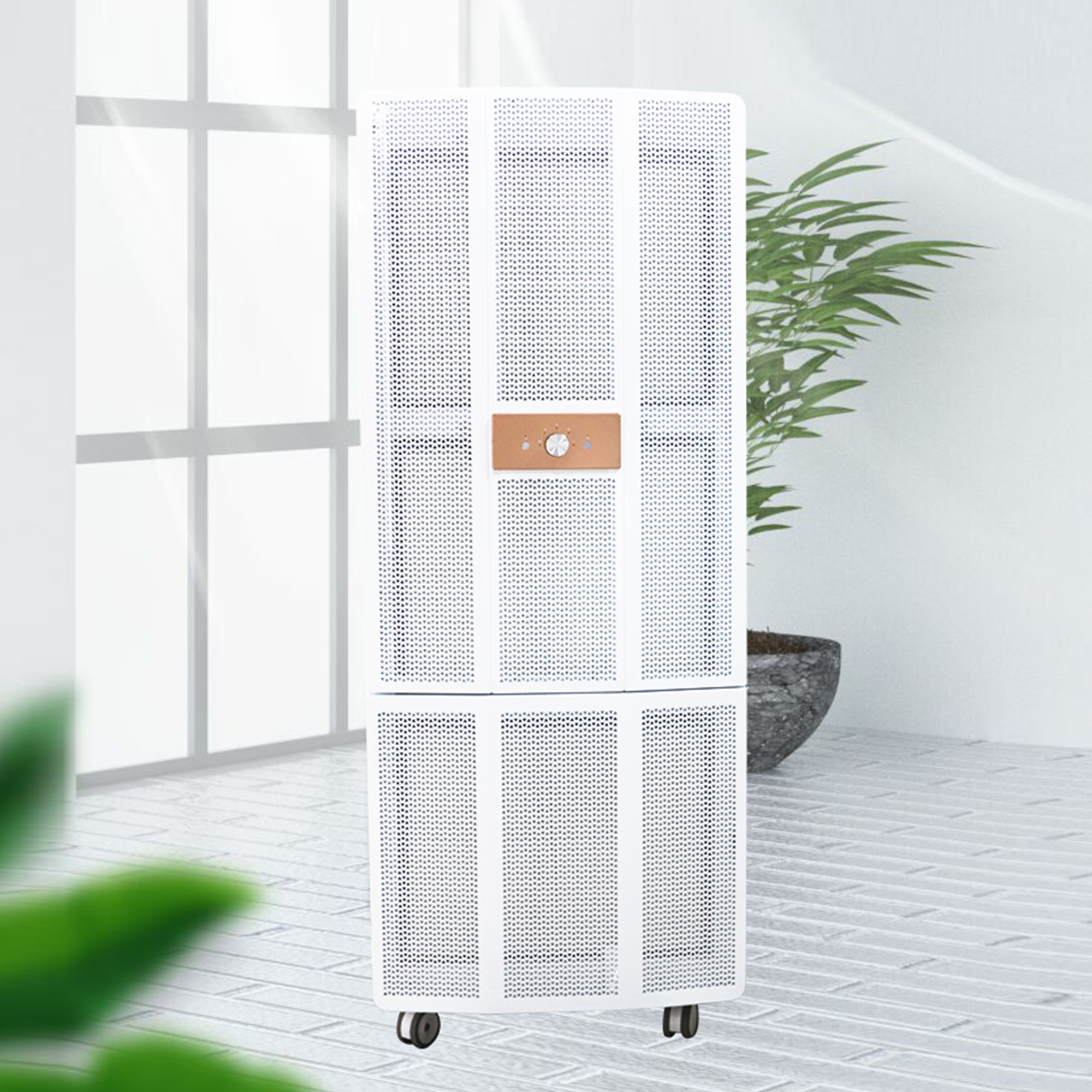
Medical-grade air purifiers usually have a larger airflow volume and purification coverage area, suitable for:
Large apartments
Open-plan living rooms
Family environments with high traffic
The air renewal rate is much faster than ordinary household air purifiers.
4. How to maintain a medical air purifier?
(1) Regularly replace the HEPA high-efficiency filter element
The HEPA filter element is the core component of a medical air purifier, and its filtration efficiency directly affects air quality.
Maintenance points:
Replace according to the manufacturer's recommended cycle, generally 6–12 months; in high-load scenarios, this may be shortened to 3–6 months.
If there is an odor or a significant decrease in airflow, replace it earlier.
Avoid touching the microporous area of the filter element during replacement to prevent secondary pollution.
Ensure that the filter element and the casing are well-sealed during use to prevent air leakage.
Keeping the high-efficiency filter element clean is key to ensuring purification effectiveness.
(2) Clean or replace the pre-filter
The pre-filter is responsible for intercepting large particles of dust, hair, etc., protecting the HEPA filter element and extending its lifespan.
Maintenance suggestions:
Remove and clean every 2–4 weeks; more frequent cleaning may be necessary in environments with a lot of indoor dust.
If the filter is damaged, replace it promptly.
After cleaning, it must be completely dried before installation to avoid mold growth due to dampness.
A clean pre-filter can significantly improve airflow efficiency.
(3) Clean the air duct and fan to maintain smooth airflow
The fan is the core of air circulation.
Maintenance content:
Check the fan for dust accumulation every six months.
Clean the inside of the air duct to prevent blockage.
If the noise increases, check the fan bearings.
Do not disassemble complex fan structures yourself; consult a professional if necessary.
A smoothly operating fan allows the purifier to maintain a high CADR value and good airflow efficiency.
(4) Keep the casing and air outlet clean
Medical purifiers are usually used in public environments, and the surface is prone to dust accumulation.
Cleaning suggestions:
Wipe the casing and air outlet once a week.
Use a soft cloth for cleaning; avoid corrosive solvents such as alcohol.
Do not block the air inlet and outlet to prevent affecting purification efficiency.
External cleaning helps maintain air cleanliness.
(5) Regularly check the sealing and internal parts
Poor sealing will lead to a decrease in purification effectiveness.
Inspection points:
Is the filter element installation area properly sealed?
Are the machine body panels loose?
Are there any unusual noises inside?
Is the safety switch functioning correctly?
Are the electrical wires aged or overheating?
It is recommended to perform a complete inspection every six months.
Medical air purifier maintenance checklist:
| Maintenance Item | Procedure | Frequency | Critical Notes |
| Filter Replacement | 1. Power off unit2. Remove old HEPA/activated carbon filters3. Reset filter life indicator | As alerted or every 3-6 months | Use OEM filters onlyDispose clinically contaminated filters as biohazard waste |
| Surface Disinfection | Wipe exterior and control panel with:- 70% isopropyl alcohol- EPA-registered disinfectants | Daily/Weekly | Avoid liquid ingressNever use abrasive cleaners |
| Pre-Filter Cleaning | 1. Remove pre-filter2. Vacuum or rinse with water (air-dry completely) | Monthly | Replace if tornEnsure 100% dryness before reinstallation |
| UV-C Lamp Maintenance | 1. Check for darkening/cloudiness2. Replace after 9,000 operational hours | Biannually | Wear UV-protective gearFollow lamp disposal regulations |
| Sensor Calibration | 1. Calibrate PM2.5/VOC sensors with reference gas2. Clean optical sensors | Every 6 months | Use NIST-traceable standardsRecord calibration certificates |
| Airflow Path Inspection | 1. Check ductwork for obstructions2. Clean with antistatic brushes | Quarterly | Power disconnect requiredInspect gasket seals |
| Motor/Bearing Service | 1. Monitor dB levels (<45dB normal)2. Lubricate per manufacturer specs | Annually | Only qualified techniciansCheck torque on fasteners |